Your roof shows visible warning signals before serious damage sets in. Dark streaks, moss patches, and granule loss indicate algae, lichen, or debris buildup that traps moisture and accelerates shingle deterioration. Addressing the signs roof needs cleaning early prevents thousands of dollars in repair costs and extends your roof’s lifespan by years.
Why Connecticut Roofs Develop Problems Faster Than Other Regions
Connecticut’s climate creates ideal conditions for roof contamination. High humidity levels during summer combined with freeze-thaw cycles in winter create a perfect breeding ground for organic growth. Your roof faces constant moisture exposure from spring rain, summer storms, and winter snow accumulation.
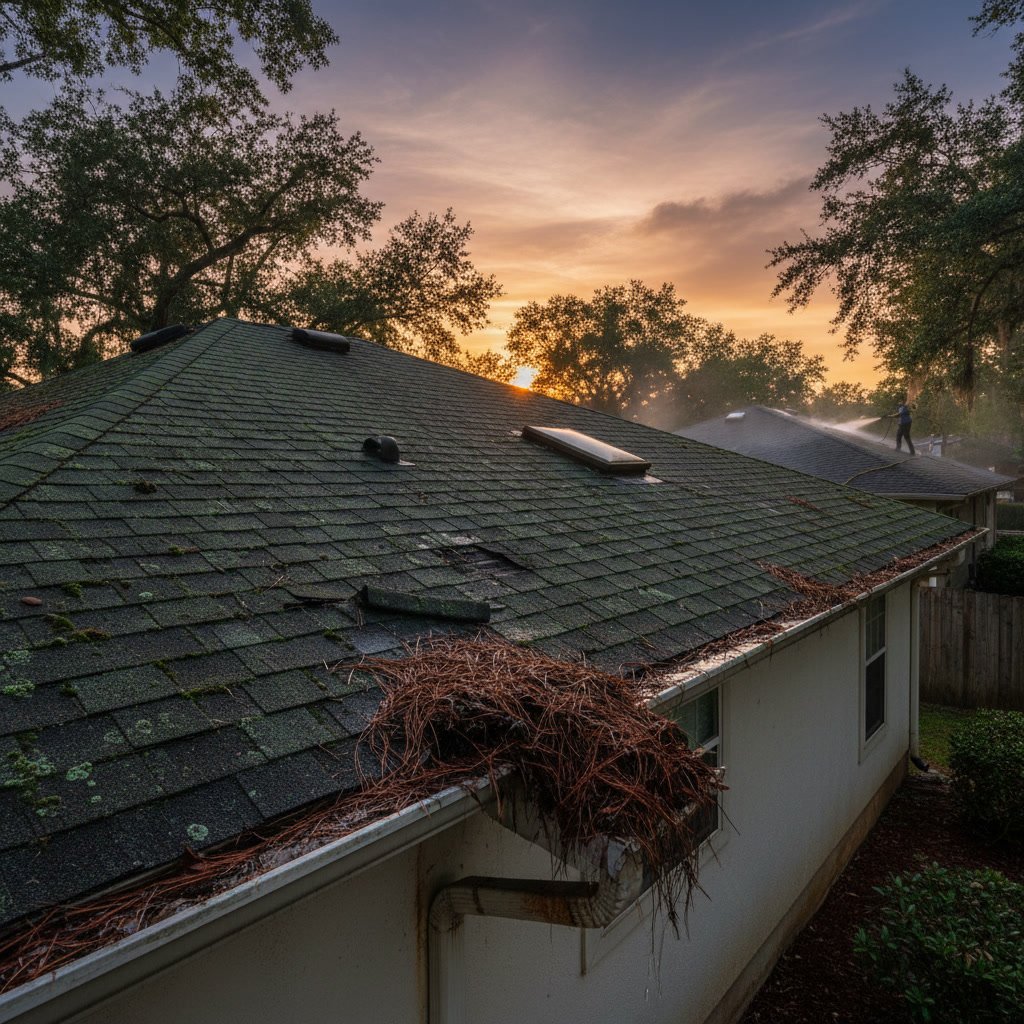
The state’s dense tree coverage adds another layer of risk. Falling leaves, pine needles, and twigs create debris dams that hold water against your shingles. This constant moisture contact allows algae spores, moss, and lichen to establish colonies that spread across your roof surface within months.
Black Streaks Mean Algae Has Already Colonized Your Shingles
Those vertical black or dark gray streaks running down your roof are not dirt. They are colonies of Gloeocapsa magma, a type of cyanobacteria that feeds on the limestone filler in asphalt shingles. This algae does more than create an eyesore.
The dark coloring absorbs more heat from sunlight, raising your roof temperature by 10 to 15 degrees. This heat accelerates shingle aging and increases your cooling costs during summer. The bacterial colonies also retain moisture against the shingle surface, creating conditions for deeper deterioration. Once algae establishes itself, it spreads rapidly across your entire roof within one to two seasons.
Green or Fuzzy Patches Signal Moss and Lichen Growth
Moss appears as green, fuzzy patches typically starting on the north-facing or shaded portions of your roof. Unlike algae that sits on the surface, moss roots work their way under shingle edges. As moss grows, it lifts shingles and creates gaps where water can penetrate.
Lichen looks like crusty, circular growths in gray, green, or orange colors. This symbiotic organism combines algae and fungus, creating an especially resilient colony. Lichen roots penetrate deeper into shingles than moss, causing granule loss and surface pitting. Both organisms thrive in moisture and spread through spore distribution across your roof.
Professional roof cleaning removes these organisms before their root systems compromise your shingle integrity. The difference between early intervention and waiting becomes apparent when you examine the damage underneath established colonies.
Granule Buildup in Gutters Indicates Shingle Deterioration
When you clean your gutters and find significant amounts of colored grit that resembles coarse sand, your shingles are shedding their protective granule layer. These ceramic-coated granules protect the asphalt base from UV damage and weather exposure.
Normal aging causes some granule loss over time, but accelerated shedding indicates organic growth or moisture damage. Algae, moss, and lichen colonies break down the adhesive bond holding granules to the shingle surface. Once granules wash away, the exposed asphalt deteriorates rapidly under sun exposure.
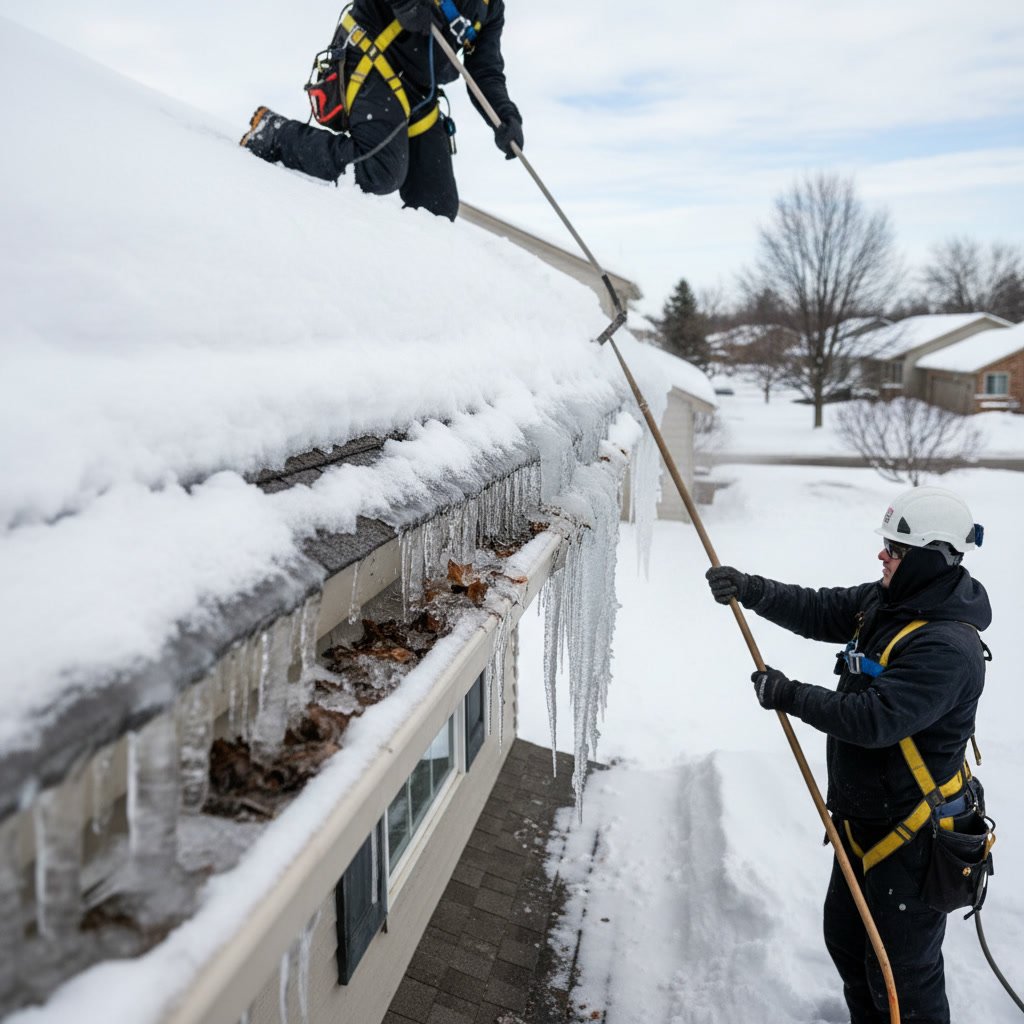
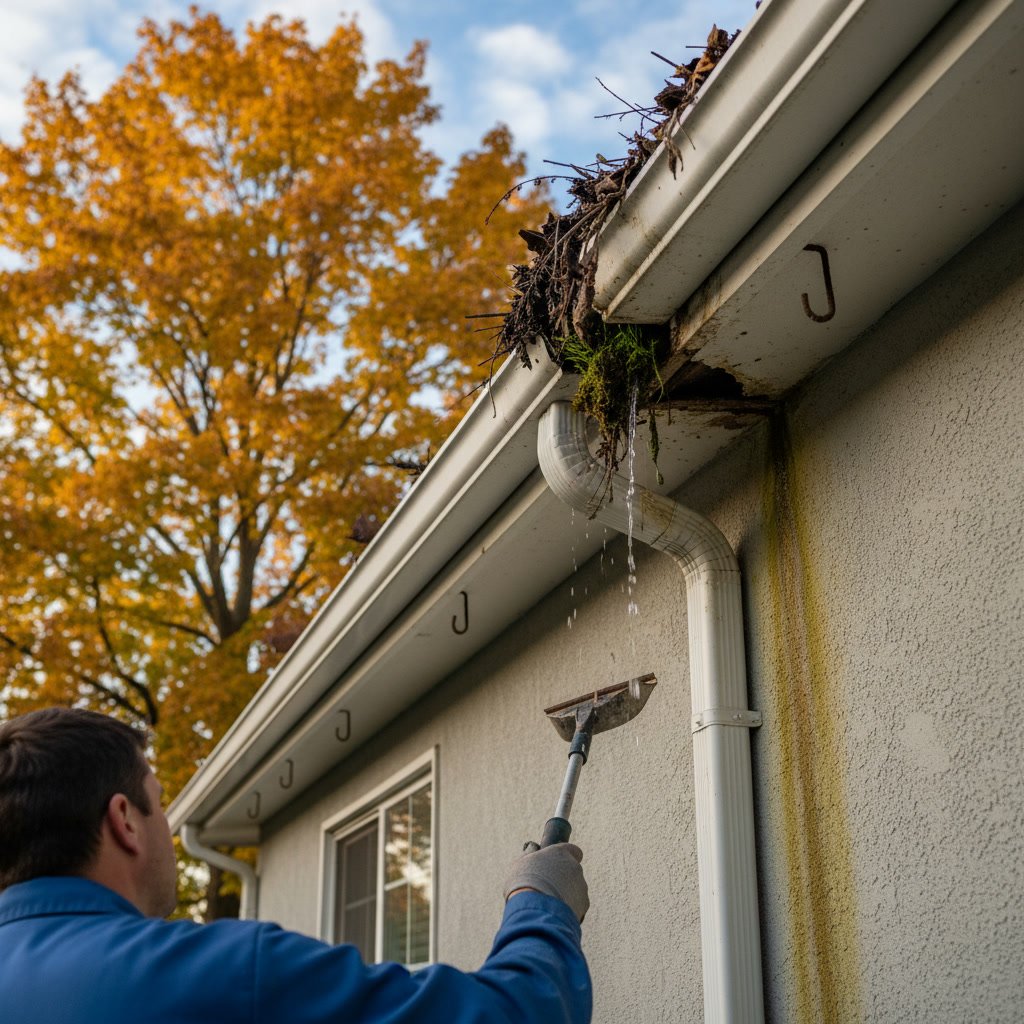
Check your gutters after heavy rain. A few granules are normal, but handfuls or cupfuls signal active deterioration requiring immediate attention. This same inspection often reveals other issues that benefit from gutter cleaning to prevent water damage to your home’s foundation and siding.
Visible Debris Accumulation Creates Water Dams
Leaves, twigs, pine needles, and seed pods collect in roof valleys, along ridgelines, and behind chimneys. This organic debris holds moisture against your roof surface for extended periods. The constant dampness creates perfect conditions for rot, mold, and shingle decay.
Debris dams also redirect water flow during rainstorms. Instead of flowing down your roof and into gutters, water backs up under shingles at the dam point. This hidden water penetration causes deck rot, insulation damage, and interior ceiling stains that only become visible after significant structural damage occurs.
Higher Energy Bills Without HVAC Changes in Cromwell Homes
A dirty roof absorbs significantly more heat than a clean one. Dark algae streaks and moss patches create a heat-absorbing surface that raises attic temperatures during summer months. Your air conditioning system works harder and runs longer to compensate for the additional heat radiating through your roof deck.
Homeowners in Cromwell typically notice a 10 to 20 percent increase in cooling costs when roof contamination reaches moderate to severe levels. This energy penalty continues year after year until the organic growth is removed. The investment in professional cleaning pays for itself through reduced utility bills within two to three years.
Discolored or Stained Areas After Rain
If certain sections of your roof appear darker or remain wet longer after rain ends, water is not draining properly from those areas. This standing water or slow drainage indicates either debris buildup, organic growth creating rough surfaces, or early shingle deterioration.
These persistently damp areas become the starting points for aggressive moss and algae colonization. The longer moisture sits on your roof, the faster organic growth establishes itself. Once established, these colonies expand outward from the initial damp zones until they cover large roof sections.
Understanding proper cleaning methods for asphalt shingle roofs helps you evaluate professional services and avoid aggressive techniques that cause more harm than good.
Step-by-Step Inspection Guide for Homeowners
Conducting regular roof inspections helps you catch problems early. Follow this systematic approach every six months, ideally in spring and fall.
Ground-level visual inspection: Walk around your property and examine your roof from all angles. Look for dark streaks, green patches, uneven coloring, or visible debris accumulation. Use binoculars to examine areas difficult to see clearly from ground level.
Gutter examination: Check your gutters and downspouts for granule accumulation, moss fragments, or organic debris. Heavy granule loss appears as colored grit at gutter outlets and in splash blocks beneath downspouts.
Attic inspection: Enter your attic on a sunny day and turn off all lights. Look for light penetrating through the roof deck, which indicates gaps or holes. Check for water stains on rafters, dark spots on sheathing, or damp insulation.
Interior ceiling check: Examine all ceilings for water stains, discoloration, or soft spots. These signs indicate water has already penetrated your roof and caused interior damage.
Never walk on your roof for inspection purposes. The risk of falls and the potential to damage shingles outweigh any benefit from closer examination. Professional inspectors use proper safety equipment and know how to walk on roofs without causing damage.
The Cost Difference Between Cleaning and Replacement
Professional roof cleaning for an average Connecticut home costs between $400 and $800 depending on roof size, pitch, and contamination level. This service removes organic growth, restores appearance, and extends roof life by five to ten years.
Complete roof replacement for the same home costs between $8,000 and $15,000 or more. Replacement becomes necessary when shingle deterioration progresses beyond surface contamination into structural damage, widespread granule loss, or extensive water penetration.
The financial case for preventive cleaning is straightforward. Spending $500 every three to five years preserves a $12,000 roof investment. Neglecting cleaning accelerates deterioration and forces premature replacement, wasting thousands of dollars of remaining roof life.
Why DIY Roof Cleaning Usually Causes More Problems
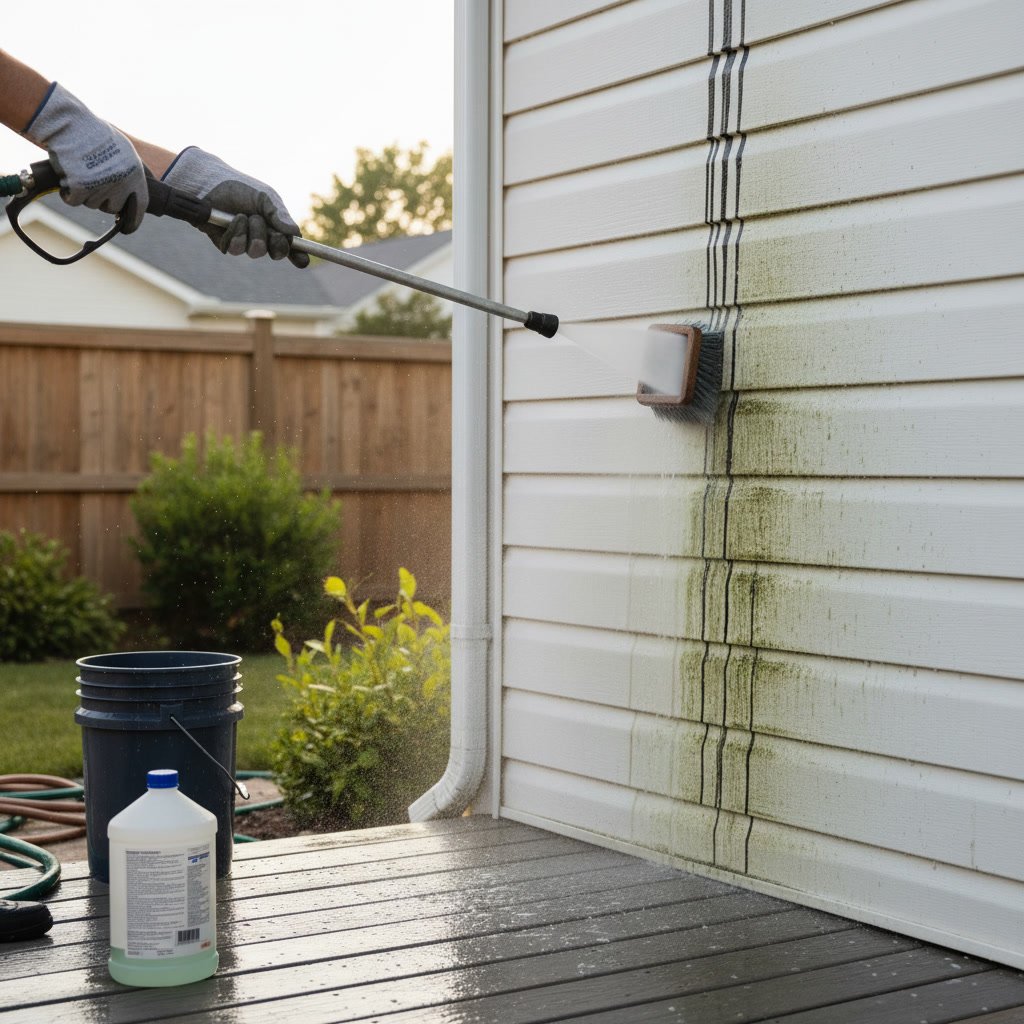
Homeowners who attempt roof cleaning themselves typically use pressure washers with high PSI settings. This aggressive approach strips granules from shingles, breaks sealant bonds, and forces water under shingle edges. The immediate cosmetic improvement comes at the cost of reduced shingle lifespan.
Over-the-counter roof cleaning chemicals often contain chlorine bleach concentrations that kill plants, damage siding, and corrode metal fixtures. Without proper application techniques and neutralization steps, these products cause collateral damage to landscaping and exterior surfaces.
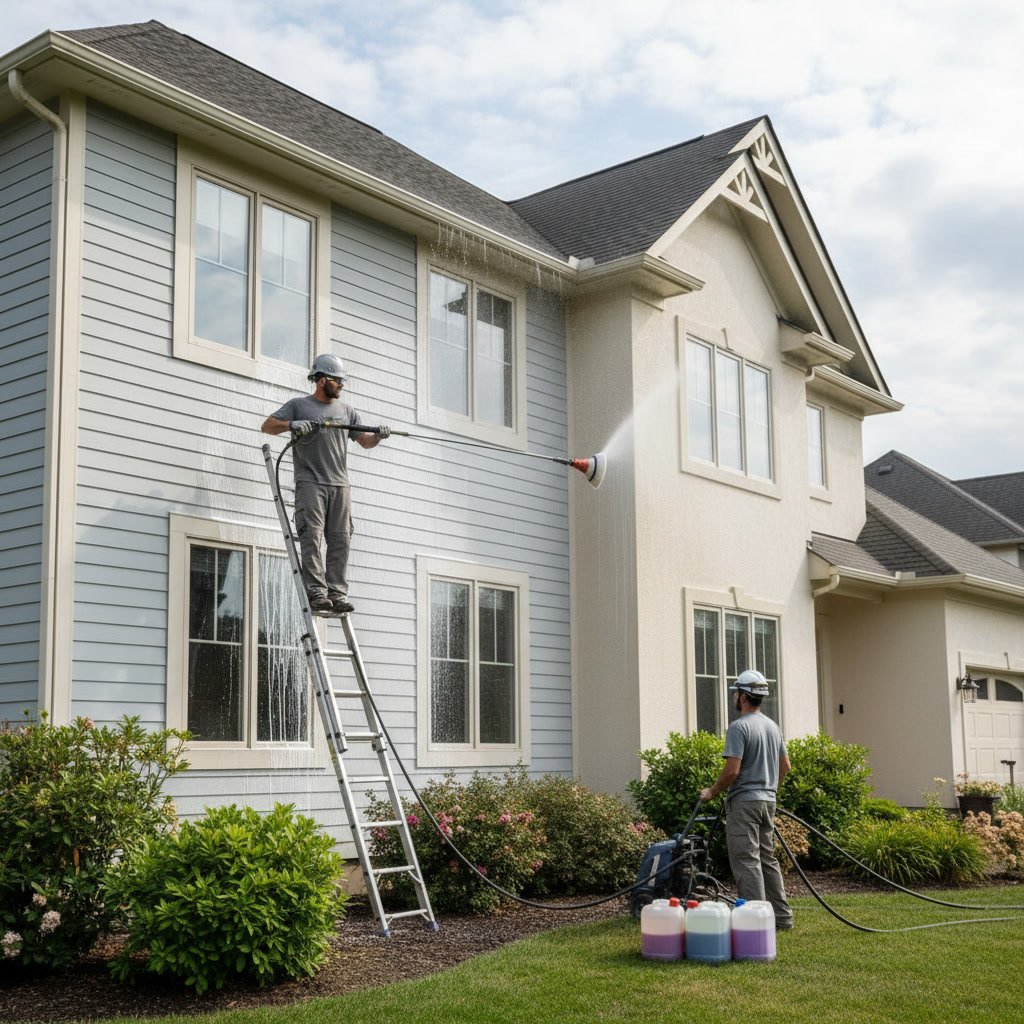
Professional services use soft washing techniques that apply cleaning solutions at low pressure, allowing chemical action rather than mechanical force to remove contamination. This approach, detailed in our guide to soft washing methods, preserves shingle integrity while effectively removing organic growth. Professionals also use roof-safe formulations and protect surrounding vegetation during treatment.
Protecting Your Investment Through Regular Maintenance
Your roof represents one of your home’s largest investments. Regular cleaning and maintenance protect that investment by preventing premature deterioration. Most asphalt shingle roofs carry 20 to 30 year warranties, but untreated organic growth can reduce actual lifespan to 12 to 15 years.
Establishing a maintenance schedule prevents minor issues from becoming major expenses. Roof cleaning every three to five years, combined with annual inspections and prompt debris removal, keeps your roof in optimal condition throughout its expected lifespan. This proactive approach costs far less than reactive repairs after damage occurs.
Consider bundling roof maintenance with other exterior cleaning services for comprehensive home protection. Clean gutters prevent water damage, clean siding prevents mold growth, and clean windows improve natural light. These services work together to maintain your entire home exterior.
Patriot Pressure Washing has protected Connecticut roofs since 2016, bringing military precision and attention to detail to every cleaning project. Regular maintenance prevents the permanent damage that forces costly replacement, keeping your home protected and your investment secure.
If you have noticed any of these warning signs on your roof, addressing them now prevents permanent damage and expensive repairs. Schedule a professional inspection and cleaning by calling +18606612407 to protect your home and extend your roof’s lifespan.