Your home’s vinyl siding is streaked with dark stains. Your roof has black streaks running down the shingles. Your fence looks dingy no matter how often you rinse it with a garden hose. You know these surfaces need cleaning, but you’ve heard horror stories about pressure washing causing damage. This is exactly where soft washing becomes the solution you need.
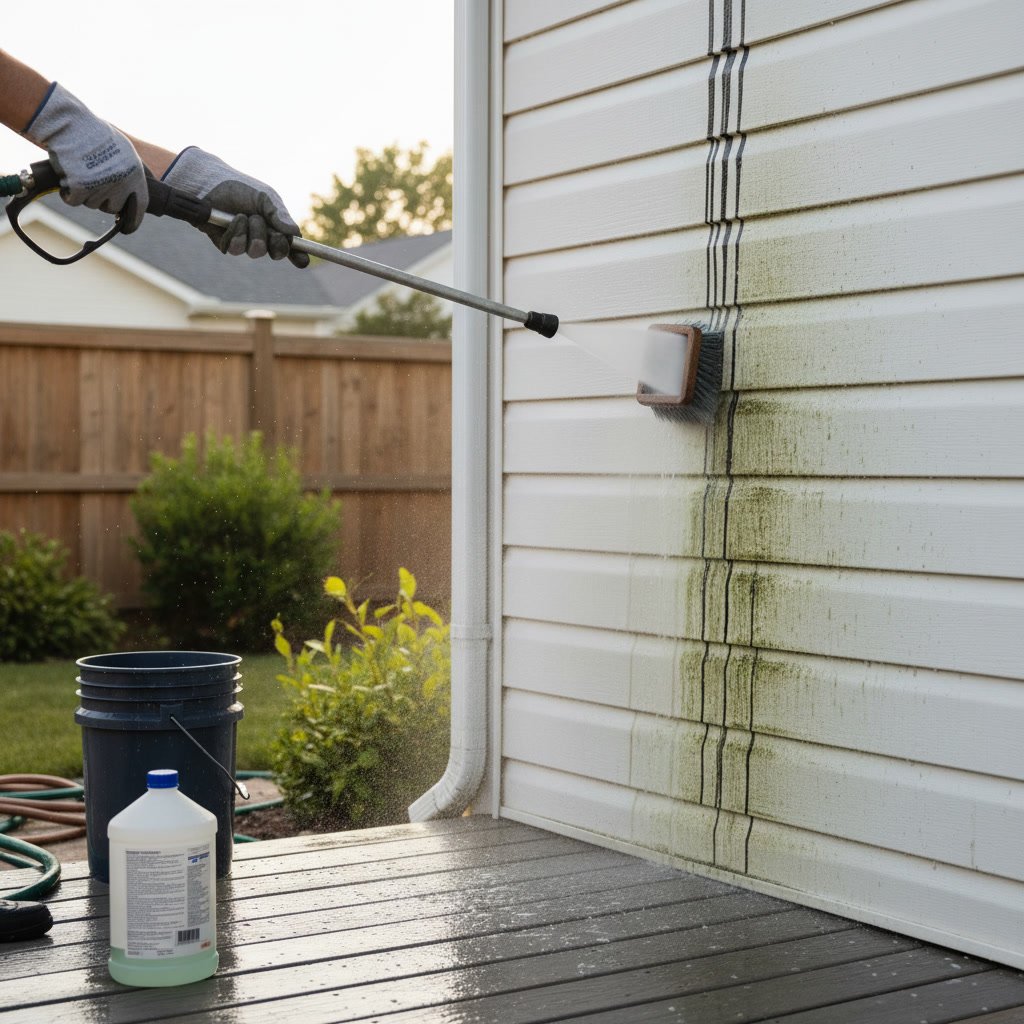
So what is soft washing? It’s a low-pressure cleaning method that relies on specialized cleaning solutions rather than high-pressure water to remove dirt, algae, mold, mildew, and other organic stains from exterior surfaces. Unlike traditional pressure washing that uses force to blast away grime, soft washing applies biodegradable chemicals at pressures similar to a garden hose, then allows those solutions to do the heavy lifting.
This guide explains exactly how soft washing works, which surfaces benefit most from this method, and when you should choose it over traditional pressure washing for your Connecticut home.
How Soft Washing Works
Soft washing combines three elements: specialized cleaning solutions, low water pressure (typically under 500 PSI), and sufficient dwell time for the chemicals to break down contaminants.
The cleaning solution does most of the work. Professional-grade soft wash formulas contain surfactants that help the solution cling to vertical surfaces, biocides that kill organic growth at the root, and cleaning agents that break down dirt and grime. When applied properly, these solutions penetrate deep into porous surfaces where algae, mold, and bacteria hide.
After application, the solution needs time to work, usually 10 to 20 minutes depending on the surface and level of contamination. During this dwell time, the chemicals are actively killing spores, breaking down organic matter, and loosening stubborn stains. Once the solution has done its job, a gentle rinse with low-pressure water removes the dead growth and dissolved dirt.
The pressure used in soft washing ranges from 100 to 500 PSI, roughly equivalent to the spray from a garden hose with a nozzle. This stands in stark contrast to traditional pressure washing, which can deliver 1,500 to 4,000 PSI or more.
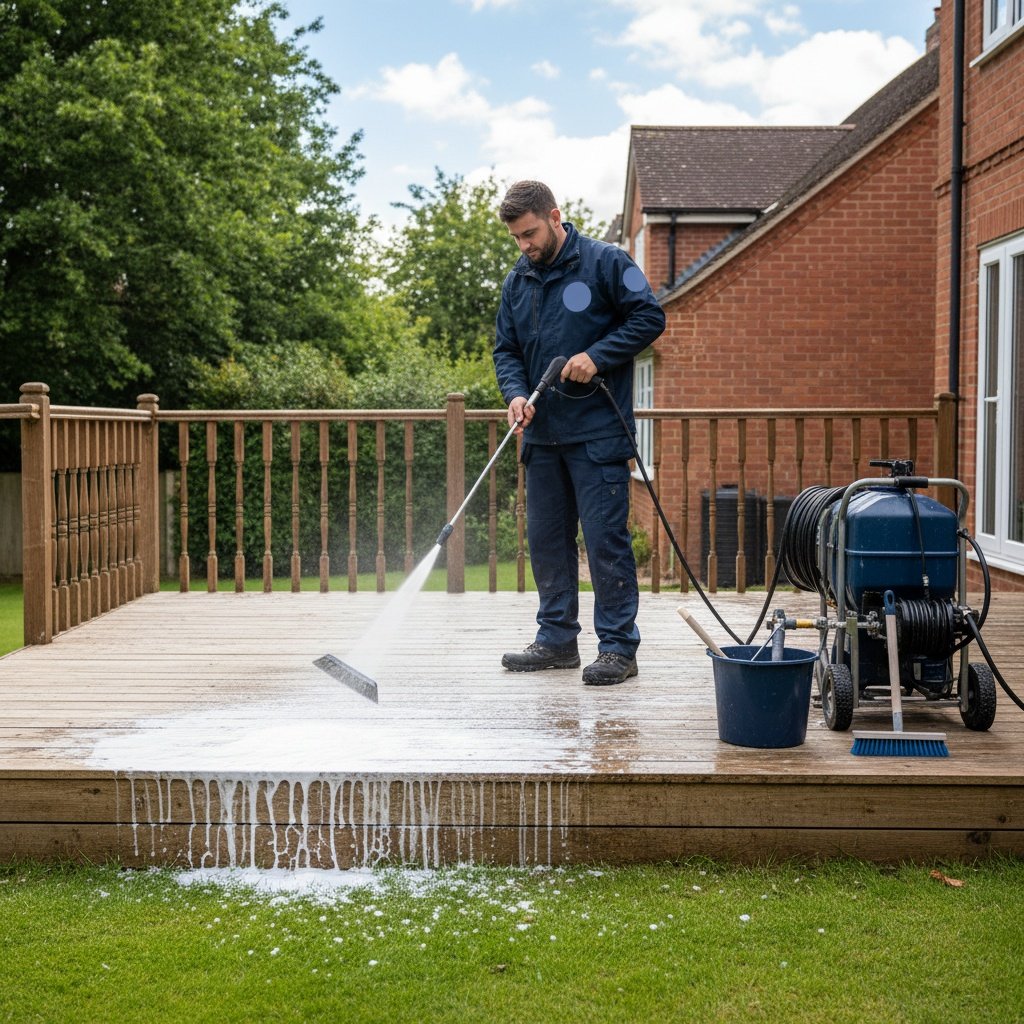
Soft Washing vs. Pressure Washing
Understanding the difference between these two methods helps you make the right choice for each surface around your home.
Pressure washing relies on high-pressure water to physically remove dirt, grime, and stains. This method works exceptionally well on hard, non-porous surfaces like concrete driveways, brick pavers, and stone walkways. The force of the water blasts away stuck-on mud, oil stains, and ground-in dirt that chemicals alone might not budge.
Soft washing takes a chemical approach. Rather than forcing contaminants off the surface, it kills and dissolves them. This makes soft washing ideal for more delicate or porous materials that high pressure could damage.
Each method has its place in comprehensive exterior cleaning services. The key is knowing which surfaces respond better to which approach.
When Pressure Washing is Better
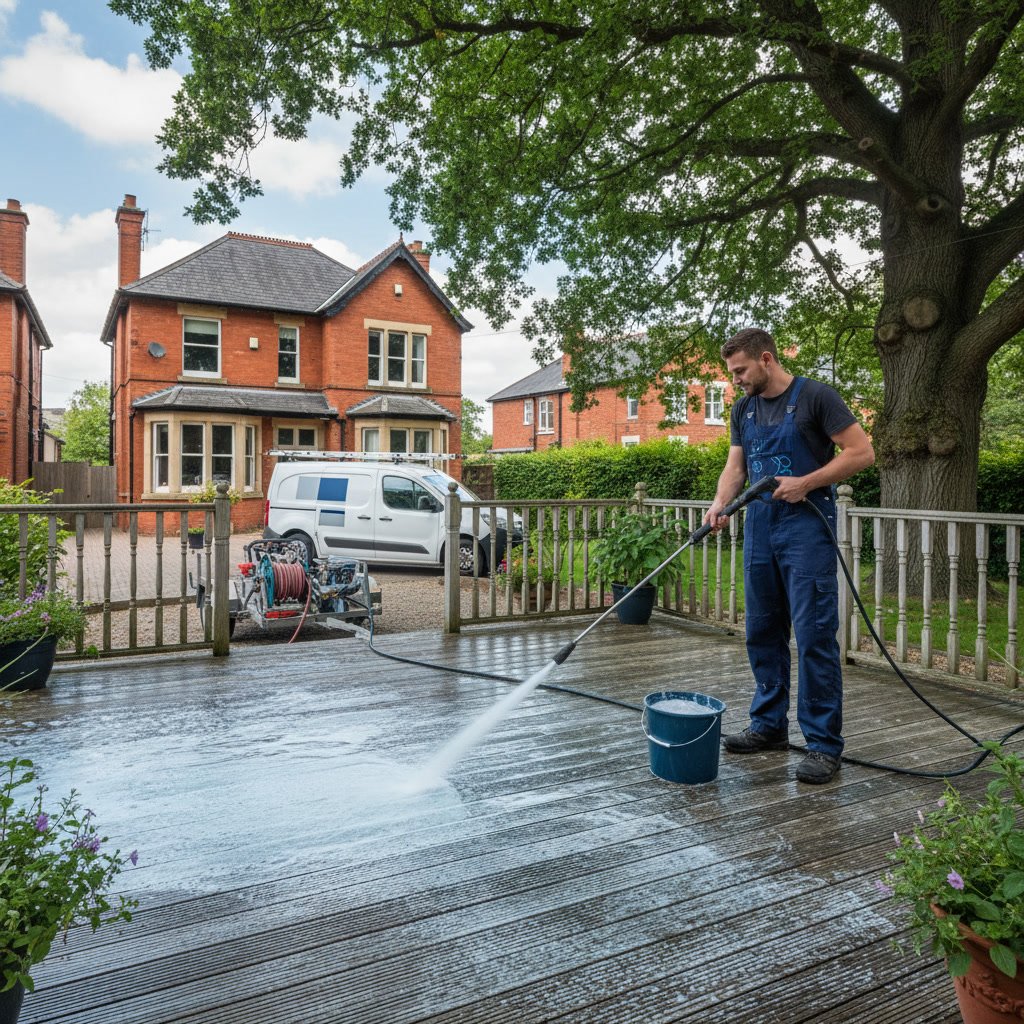
Hard surfaces benefit from traditional pressure washing. Concrete driveways, sidewalks, and patios handle high pressure without issue. Stone and brick hardscaping, unpainted metal surfaces, and even wood decks (when done correctly at appropriate pressures) respond well to pressure washing.
Oil stains, tire marks, gum, and other stubborn non-organic contaminants often require the mechanical force that only pressure washing provides.
When Soft Washing is Better
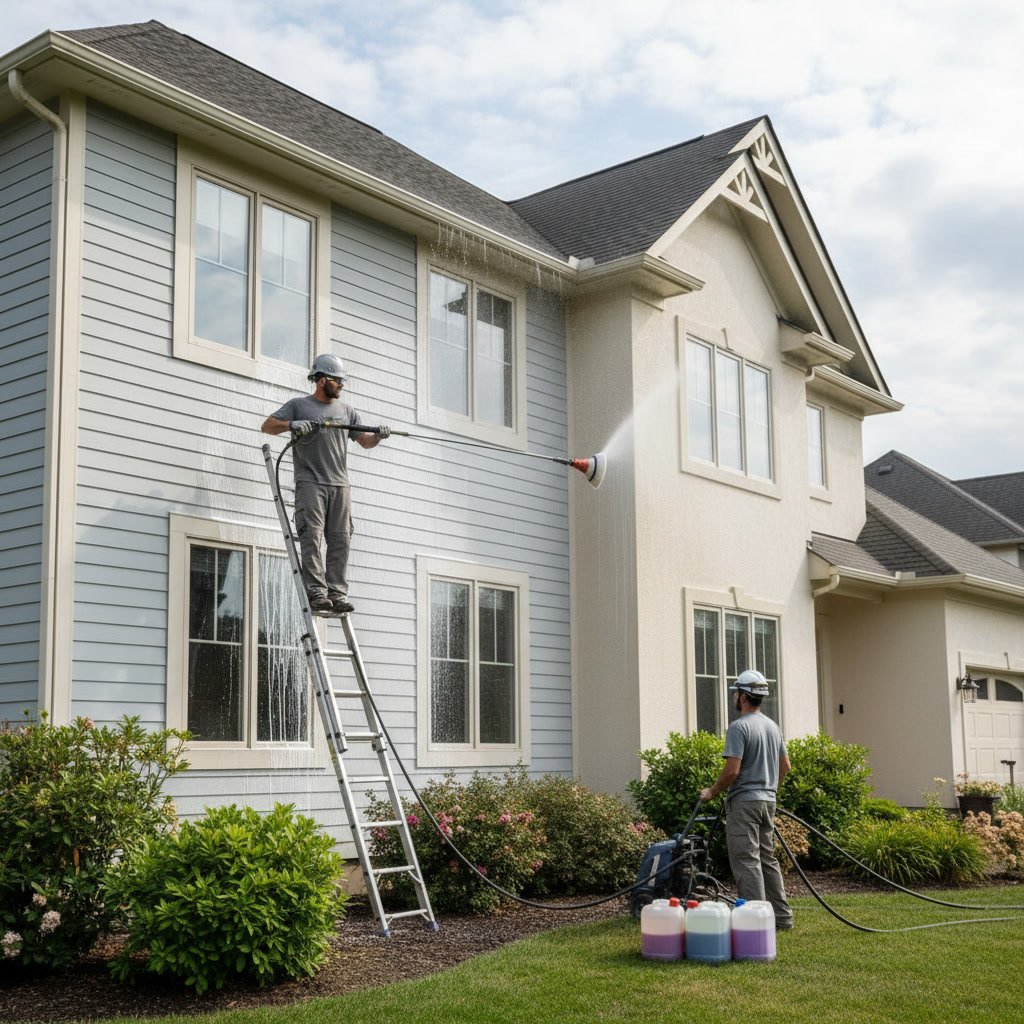
Softer, more porous, or painted surfaces require the gentle touch of soft washing. This includes vinyl siding, stucco, EIFS (synthetic stucco), painted wood, asphalt shingle roofs, and composite materials.
Any surface where organic growth is the primary problem rather than ground-in dirt makes an ideal candidate for soft washing. Algae, mold, mildew, lichen, and moss all respond better to chemical treatment than mechanical force.
Which Home Surfaces Need Soft Washing
Most vertical surfaces on your home benefit from soft washing rather than high-pressure cleaning. Here’s a breakdown of the most common applications.
Vinyl and Aluminum Siding
Vinyl siding is the most common exterior material in Connecticut, and it’s particularly vulnerable to damage from high-pressure washing. Pressure washing can force water behind the siding panels, leading to moisture problems inside your walls. It can also crack, dent, or loosen siding panels.
Soft washing removes the green algae, black mold, and dirt that accumulate on vinyl siding without any risk of water intrusion or physical damage. The results from residential house washing using soft wash methods typically last longer because the cleaning solution kills growth at the source rather than just removing what’s visible on the surface.
Asphalt Shingle Roofs
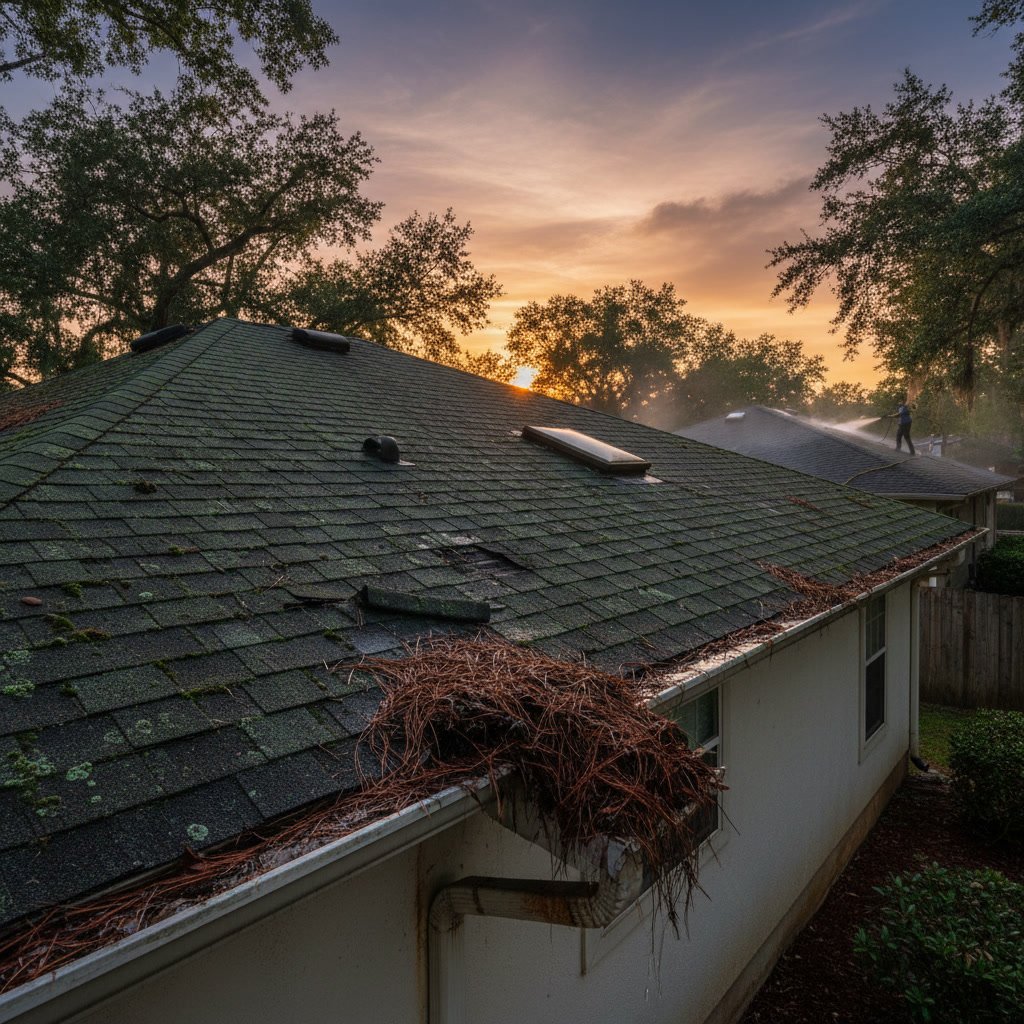
Those black streaks on your roof aren’t dirt. They’re Gloeocapsa magma, a type of algae that feeds on the limestone filler in asphalt shingles. Pressure washing a roof is one of the fastest ways to shorten its lifespan. The high pressure strips away the protective granules on the shingles, accelerating wear and potentially causing leaks.
Soft washing kills the algae without disturbing the granules. Professional roof cleaning using soft wash methods can restore your roof’s appearance and extend its life by preventing algae from breaking down the shingle material.
Stucco and EIFS
Stucco is porous and often has small cracks that high-pressure water can exploit, causing chunks to break off or forcing water into the wall cavity. EIFS (Exterior Insulation and Finish System), sometimes called synthetic stucco, is even more delicate.
Soft washing cleans these surfaces thoroughly while keeping water pressure low enough to prevent any damage or water intrusion.
Wood Surfaces
Wood siding, trim, fences, and decks can all be damaged by excessive pressure. High PSI can gouge soft woods, raise the grain, and drive water deep into the wood where it promotes rot.
Soft washing removes mold, mildew, and algae from wood surfaces safely. For decks specifically, a modified soft wash approach using slightly higher pressure but still well below standard pressure washing levels provides the best results for deck cleaning.
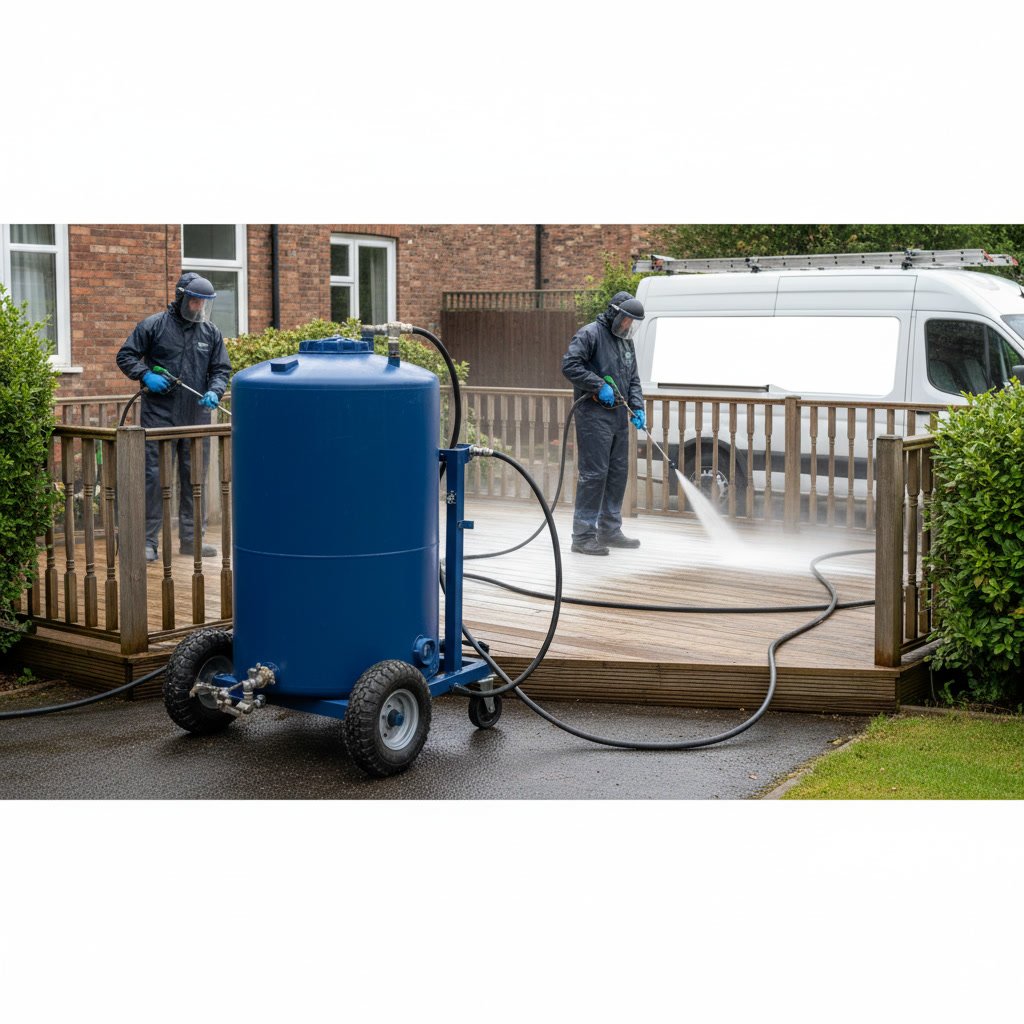
Benefits of Soft Washing Your Home
Choosing soft washing over aggressive pressure washing offers several important advantages for homeowners in Manchester, Glastonbury, and surrounding Connecticut communities.
Longer Lasting Results
Because soft washing kills organic growth at the cellular level, the results last significantly longer than pressure washing alone. When you pressure wash algae and mold, you remove what’s visible on the surface but often leave behind roots and spores that quickly regrow.
Soft washing eliminates these organisms completely. Many homeowners find their homes stay clean for 4 to 6 times longer after soft washing compared to pressure washing.
Prevents Damage
High-pressure water can cause immediate visible damage like chipped paint, broken vinyl siding, damaged roof shingles, and etched wood. It can also cause hidden damage like water forced into wall cavities, damaged window seals, and compressed insulation.
Soft washing eliminates these risks entirely. The low pressure is gentle enough for even the most delicate surfaces.
More Thorough Cleaning
Pressure washing is a surface-level cleaning method. It removes what you can see but doesn’t address contamination below the surface or in porous materials.
Soft washing solutions penetrate into pores, cracks, and textured surfaces where they kill hidden mold, algae, and bacteria. This provides a deeper, more complete clean that improves both appearance and sanitation.
Eco-Friendly Approach
Professional soft washing uses biodegradable solutions that break down naturally and don’t harm landscaping when applied correctly. The process also uses significantly less water than pressure washing because it doesn’t rely on volume and force to clean.
Pro Tip: Schedule soft washing in spring or early summer before algae and mold have had a full season to establish. Early treatment prevents heavy growth and keeps your home looking better year-round.
When to Soft Wash Your Connecticut Home
Timing matters when it comes to exterior cleaning. Connecticut’s humid summers create ideal conditions for algae, mold, and mildew growth on home exteriors.
The best time to soft wash is late spring through early fall when temperatures are consistently above 50 degrees. The cleaning solutions work most effectively in warmer weather, and the mild conditions prevent any risk of freezing during or after the cleaning process.
Most homes benefit from soft washing every one to three years depending on several factors. Homes with significant tree coverage or in humid, shaded areas may need more frequent cleaning. North-facing walls that receive less direct sunlight tend to develop algae and mold faster than sun-exposed surfaces.
If you notice green or black streaks on your siding, dark stains on your roof, or a generally dingy appearance, it’s time for soft washing regardless of when you last cleaned. These are signs of active organic growth that will only worsen if left untreated.
DIY Soft Washing vs. Professional Service
Homeowners can purchase soft wash equipment and solutions, but there are important considerations before attempting this yourself.
Professional soft washing requires specific knowledge about chemical ratios, dwell times, and application techniques. Using too strong a solution can damage plants or surfaces. Too weak a solution won’t kill the growth effectively. Improper rinsing can leave residue or streaks.
Safety is another major concern. Working on ladders while handling chemicals and spray equipment creates significant fall risk. Roof cleaning is particularly dangerous without proper safety equipment and training.
Professional services have commercial-grade equipment, proper insurance, and the experience to handle any situation safely. They also understand which cleaning formulas work best for different types of growth and surface materials.
The chemicals used in soft washing require careful handling and disposal. Professionals know how to protect your landscaping, mix solutions properly, and ensure runoff doesn’t harm the environment.
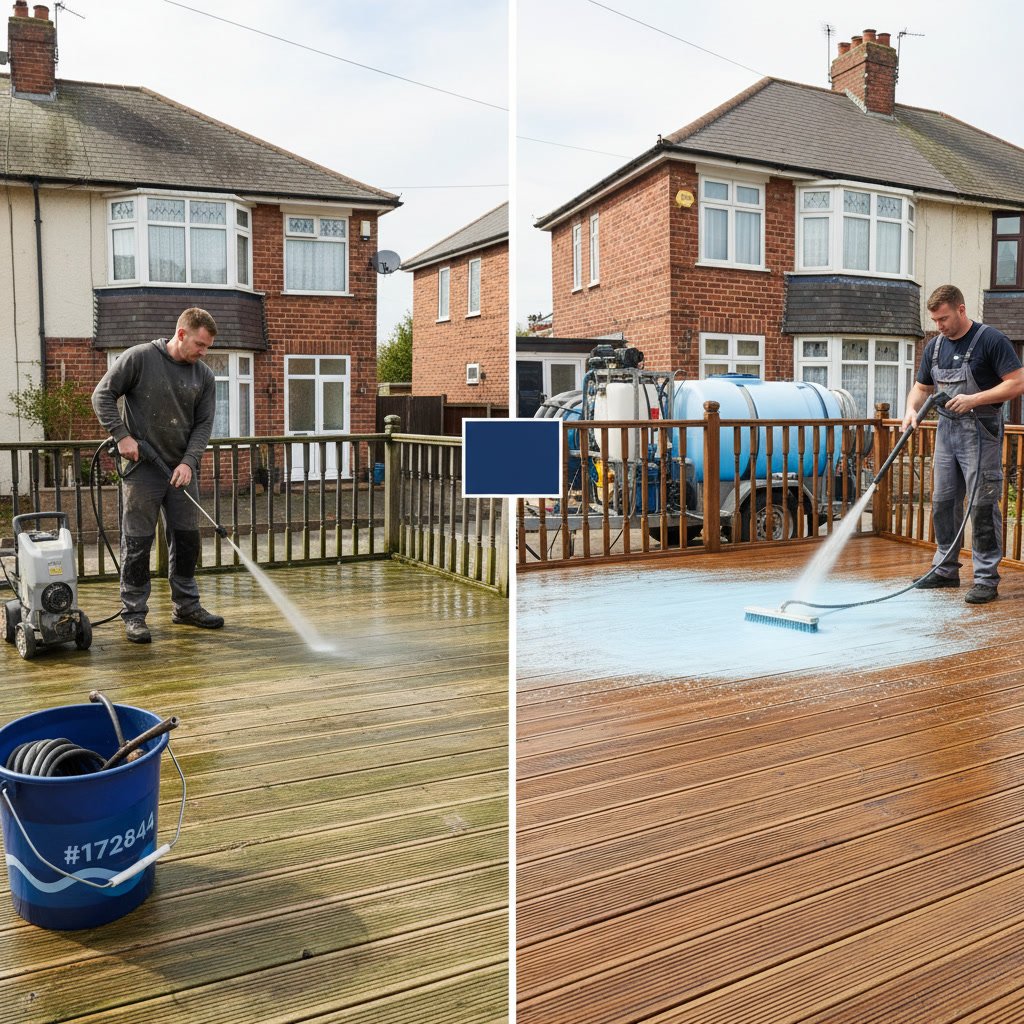
Common Soft Washing Mistakes to Avoid
Even when homeowners understand what is soft washing, they often make critical errors during application.
The most common mistake is not allowing adequate dwell time. Rushing the process by rinsing too soon means the solution hasn’t had time to kill growth completely, leading to rapid regrowth and wasted effort.
Another frequent error is using the wrong cleaning solution. Not all soft wash formulas are appropriate for all surfaces. Roof cleaning solutions differ from those used on vinyl siding. Using the wrong product can damage surfaces or fail to clean effectively.
Neglecting to protect landscaping causes unnecessary damage to plants and grass. Professional soft washing includes pre-wetting plants, covering delicate vegetation, and thoroughly rinsing after cleaning to prevent chemical damage.
Attempting to soft wash a roof without proper fall protection is dangerous and potentially deadly. Roofs become extremely slippery when wet, and cleaning solutions make them even more hazardous.
Working from ladders while handling spray equipment requires both hands and throws off your center of balance. Many homeowner falls occur during exterior cleaning projects. This is one reason why professional services are worth the investment for most homeowners.
Combining Soft Washing with Other Maintenance
Soft washing works well as part of a comprehensive exterior maintenance plan for your home.
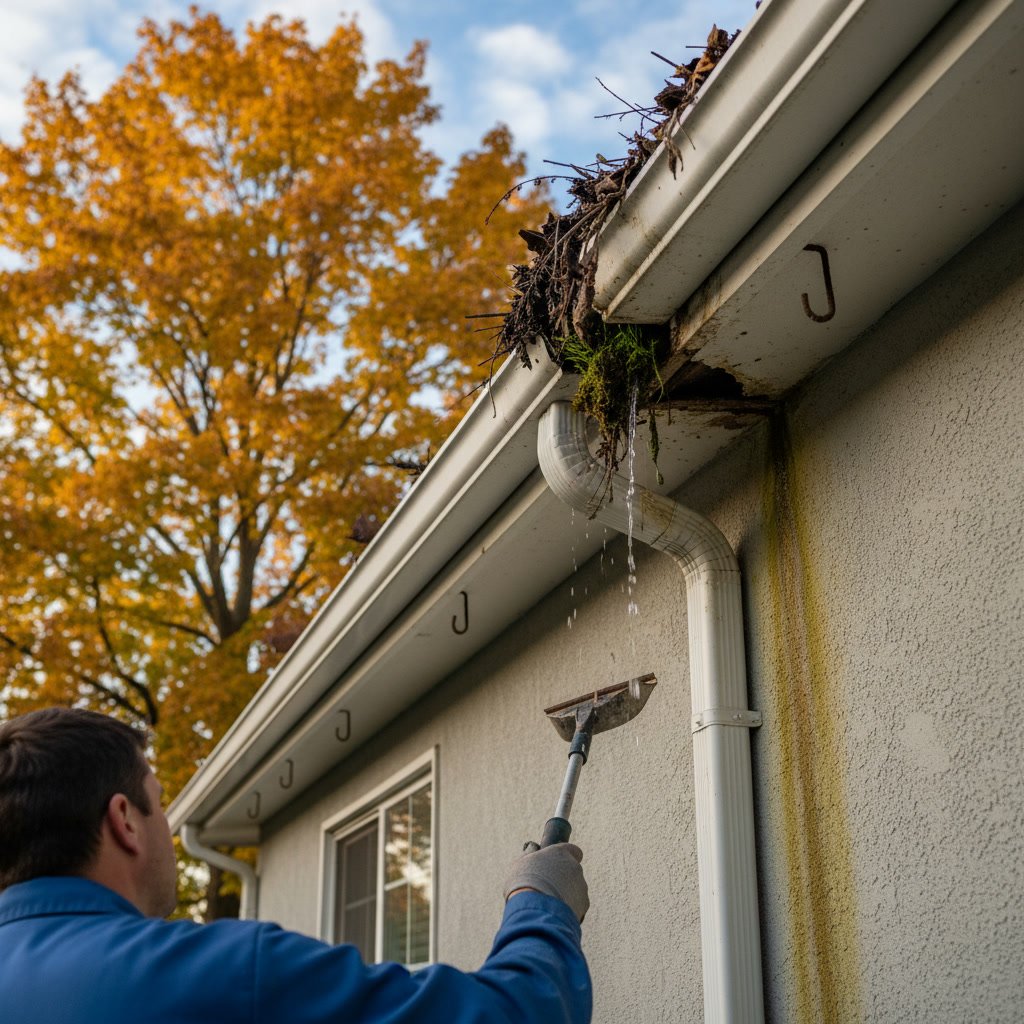
Many homeowners in Hartford, West Hartford, and surrounding areas schedule soft washing in conjunction with other seasonal services. Spring is an ideal time to combine soft washing with gutter cleaning, ensuring your entire home’s exterior is clean and functional before summer weather arrives.
Fall maintenance often includes soft washing before winter to remove the season’s accumulated growth, followed by window cleaning to maximize natural light during darker winter months.
If you’re considering different cleaning methods for various parts of your property, understanding the full range of types of exterior cleaning services helps you make informed decisions about what your home needs.
Frequently Asked Questions
Is soft washing safe for all types of siding?
Soft washing is safe for virtually all siding types including vinyl, aluminum, fiber cement, wood, stucco, and EIFS. The low pressure prevents damage while the cleaning solutions are formulated to be surface-safe when used at proper dilution ratios. Always ensure the provider understands your specific siding material and uses appropriate solutions.
How long does soft washing last compared to pressure washing?
Soft washing typically lasts 4 to 6 times longer than pressure washing alone because it kills organic growth at the root level rather than just removing surface stains. Most professionally soft-washed homes stay clean for 1 to 3 years, while pressure-washed surfaces may show regrowth within months, especially on shaded north-facing walls.
Will soft washing damage my plants and landscaping?
When performed correctly by professionals, soft washing should not harm your landscaping. Reputable companies pre-wet plants before applying cleaning solutions, use biodegradable products, cover sensitive vegetation, and thoroughly rinse everything after cleaning. These precautions protect your plants while still allowing effective cleaning of your home’s exterior.
Can soft washing remove oil stains from my driveway?
Soft washing is not the best method for oil stains, tire marks, or other petroleum-based stains on concrete. These require either traditional pressure washing or specialized degreasers combined with higher pressure. Soft washing excels at removing organic growth like algae, mold, and mildew but isn’t designed for mechanical removal of ground-in stains on hard surfaces.
How much does soft washing cost compared to pressure washing?
Soft washing often costs slightly more than basic pressure washing because it requires specialized equipment, professional-grade chemicals, and more time due to necessary dwell periods. However, because results last much longer, the cost per year of cleanliness is often lower. For specific pricing in your area, check this detailed breakdown of house washing costs in Connecticut.
Protect Your Home with the Right Cleaning Method
Soft washing provides the safest, most effective way to clean your home’s siding, roof, and other delicate exterior surfaces. By using specialized solutions and low pressure, it removes organic growth completely while preventing the damage that high-pressure washing can cause. The results last longer, look better, and protect your home’s materials from unnecessary wear.
Patriot Pressure Washing serves homeowners throughout Manchester, Cromwell, Glastonbury, Farmington, Hartford, Middletown, Rocky Hill, and West Hartford with professional soft washing services. Our veteran-owned company brings a detail-oriented approach to every job, ensuring your home is cleaned thoroughly and safely. Call +18606612407 to schedule your soft washing service and see the difference proper technique makes for your Connecticut home.