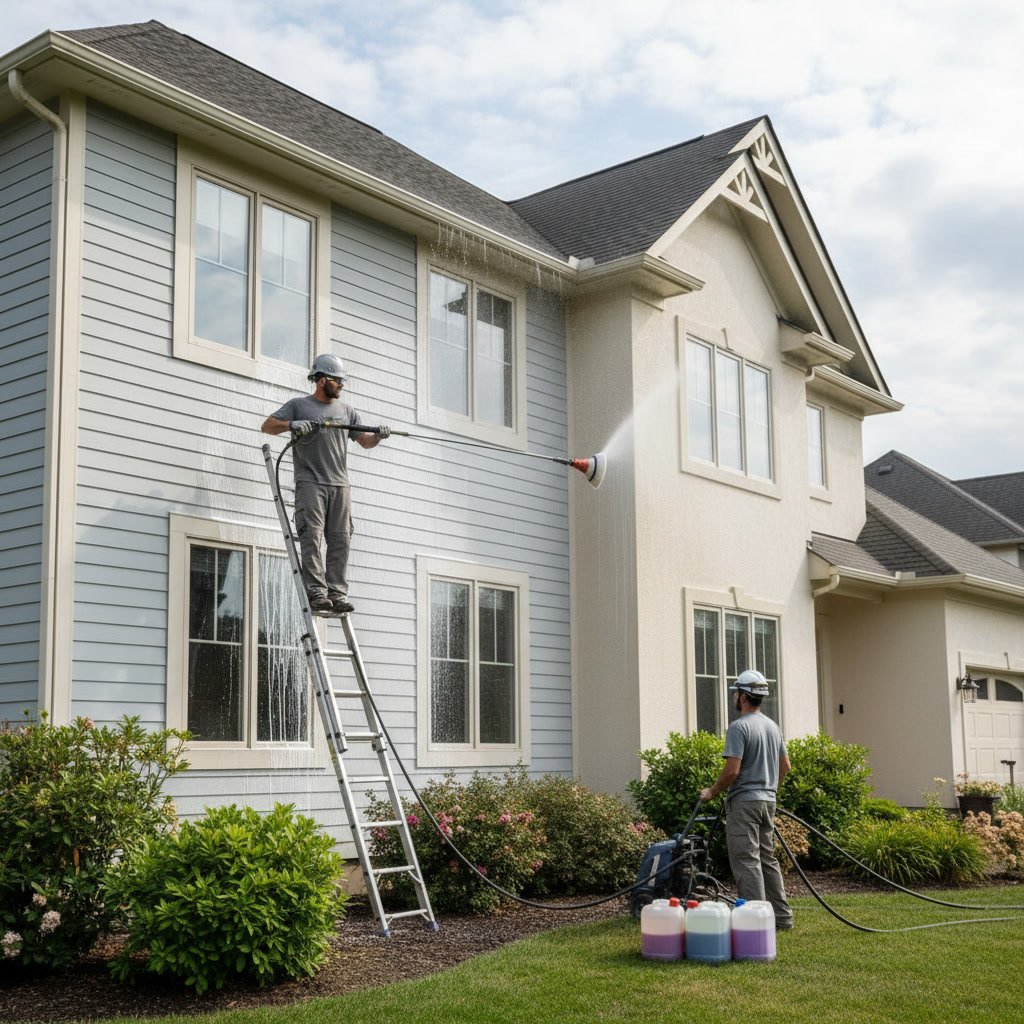
Soft washing vinyl siding and stucco uses low-pressure water mixed with biodegradable cleaning solutions to safely remove dirt, algae, mold, and mildew. This method protects delicate exterior surfaces while delivering superior cleaning results compared to high-pressure washing. The process involves careful surface preparation, application of specialized detergents, dwell time for cleaning agents to work, and a gentle rinse that leaves your home spotless without damage.
Why Traditional Pressure Washing Can Damage Vinyl and Stucco
High-pressure water jets create enough force to crack stucco, strip paint, and drive water behind vinyl siding panels. Stucco is porous and vulnerable to water intrusion when subjected to pressures above 1,500 PSI. Vinyl siding can warp, crack, or become dislodged from mounting points when hit with concentrated streams.
Many homeowners discover damage only after a pressure washing job is complete. Water trapped behind siding leads to mold growth, insulation damage, and structural rot. Stucco cracks allow moisture penetration that causes interior wall damage and expensive repairs.
How Soft Washing Protects Your Home Exterior
Soft washing relies on chemistry rather than force. Water pressure stays below 500 PSI, roughly equivalent to a garden hose with a spray nozzle. The cleaning power comes from surfactants, algaecides, and mildewcides that break down organic growth at the molecular level.
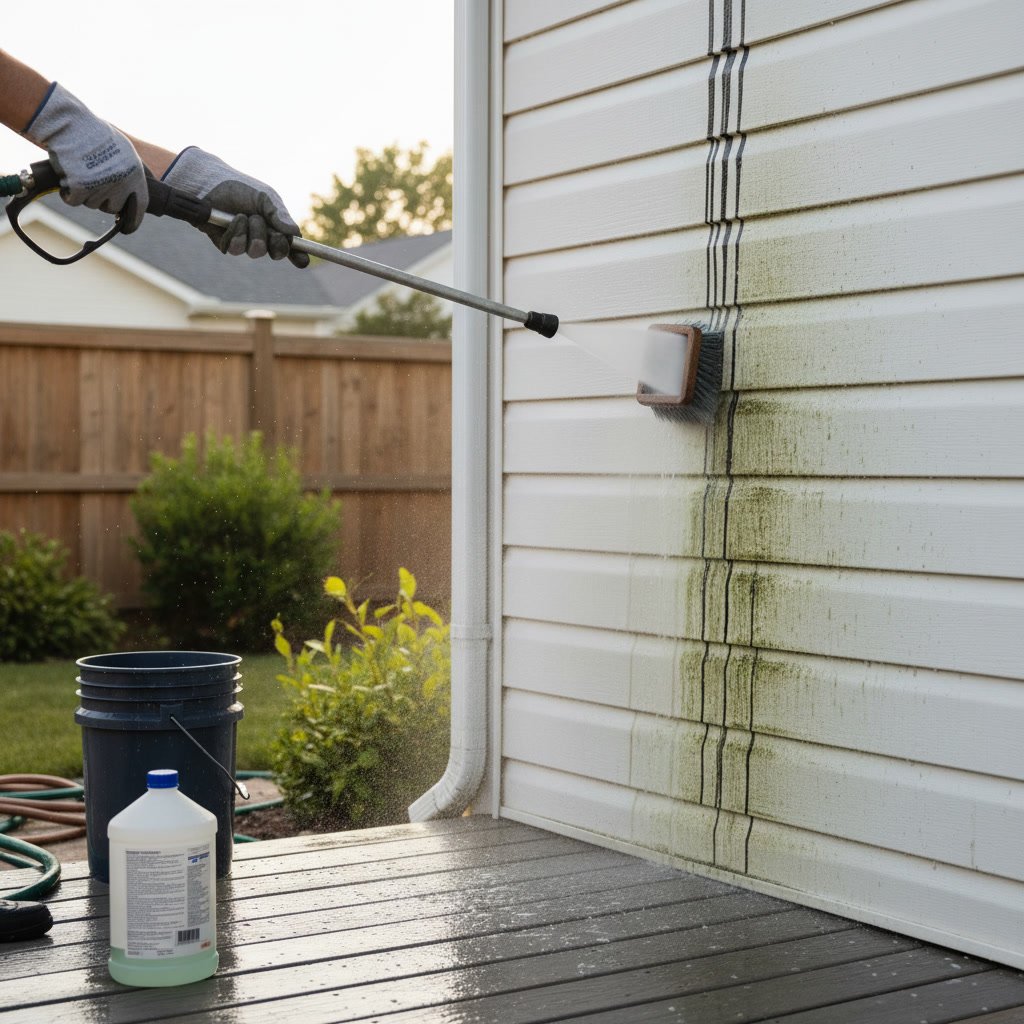
This approach removes stains that pressure alone cannot touch. Black streaks on siding are typically algae called Gloeocapsa magma, which has a protective outer coating. High pressure may temporarily remove surface discoloration, but roots remain embedded in the material. Soft washing kills these organisms completely, preventing regrowth for months or years.
Step One: Pre-Treatment Inspection and Surface Preparation
Professional technicians examine your home’s exterior before any water touches it. They identify areas with loose caulking, damaged siding panels, or existing cracks that need protection. Windows and doors are checked to ensure proper sealing.
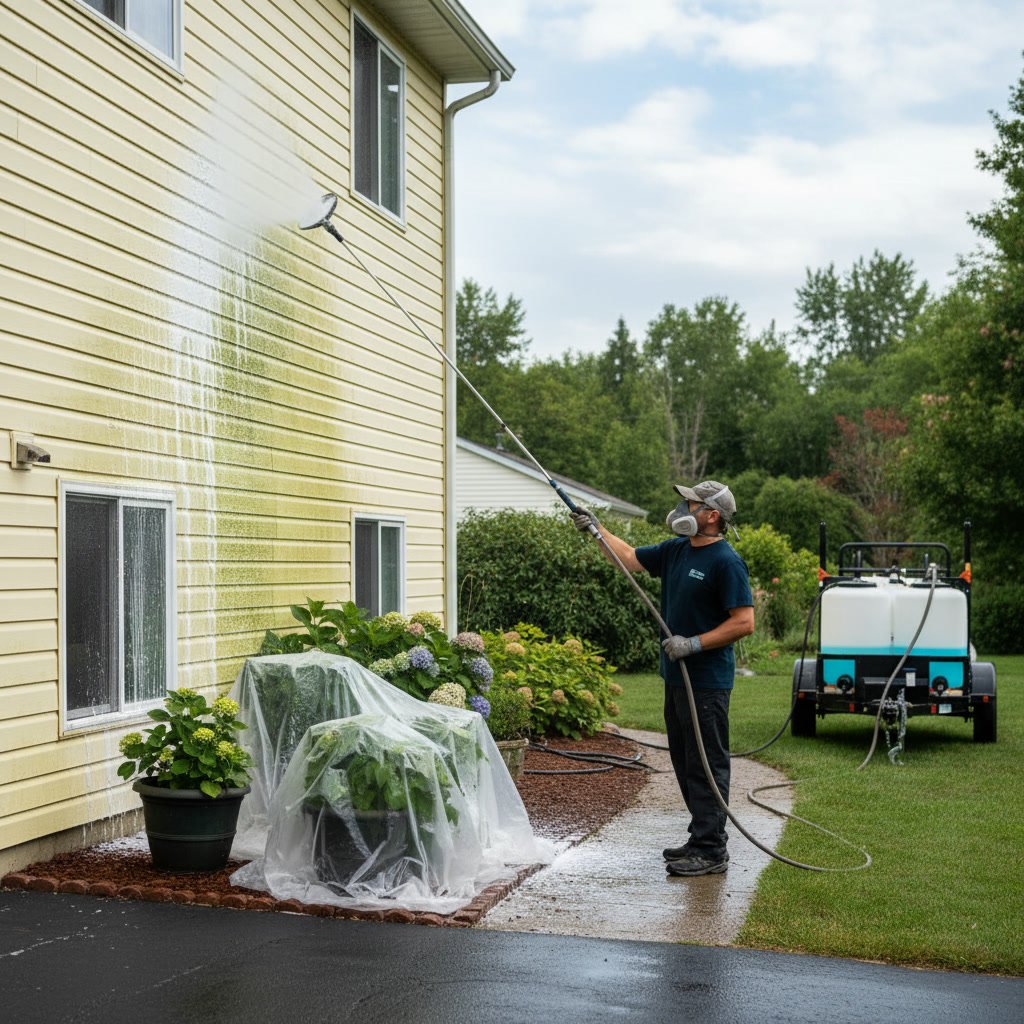
Landscaping near the foundation receives pre-wetting to protect plants from cleaning solutions. Delicate shrubs may be covered with plastic sheeting. Outdoor furniture, decorations, and toys are moved away from the work area. This preparation prevents complications and ensures the cleaning solution reaches only intended surfaces.
Step Two: Applying the Cleaning Solution
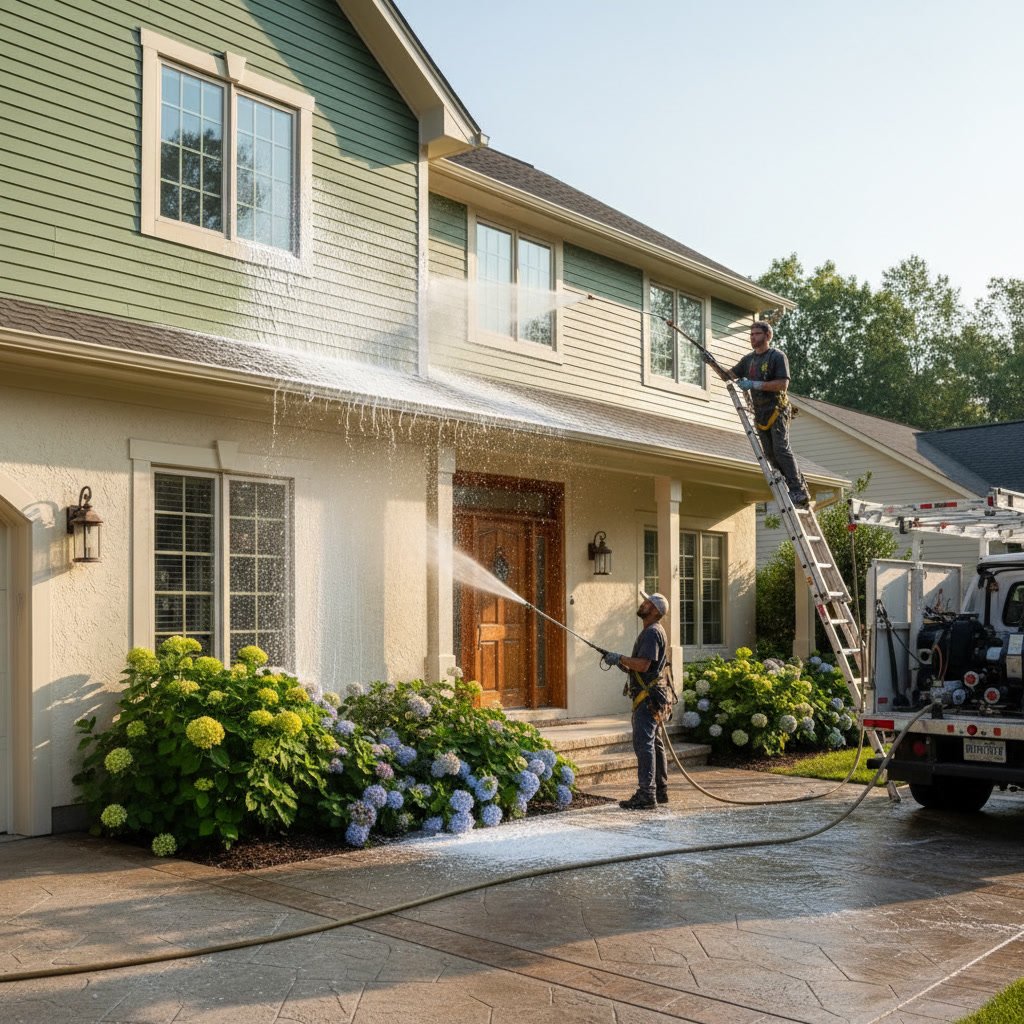
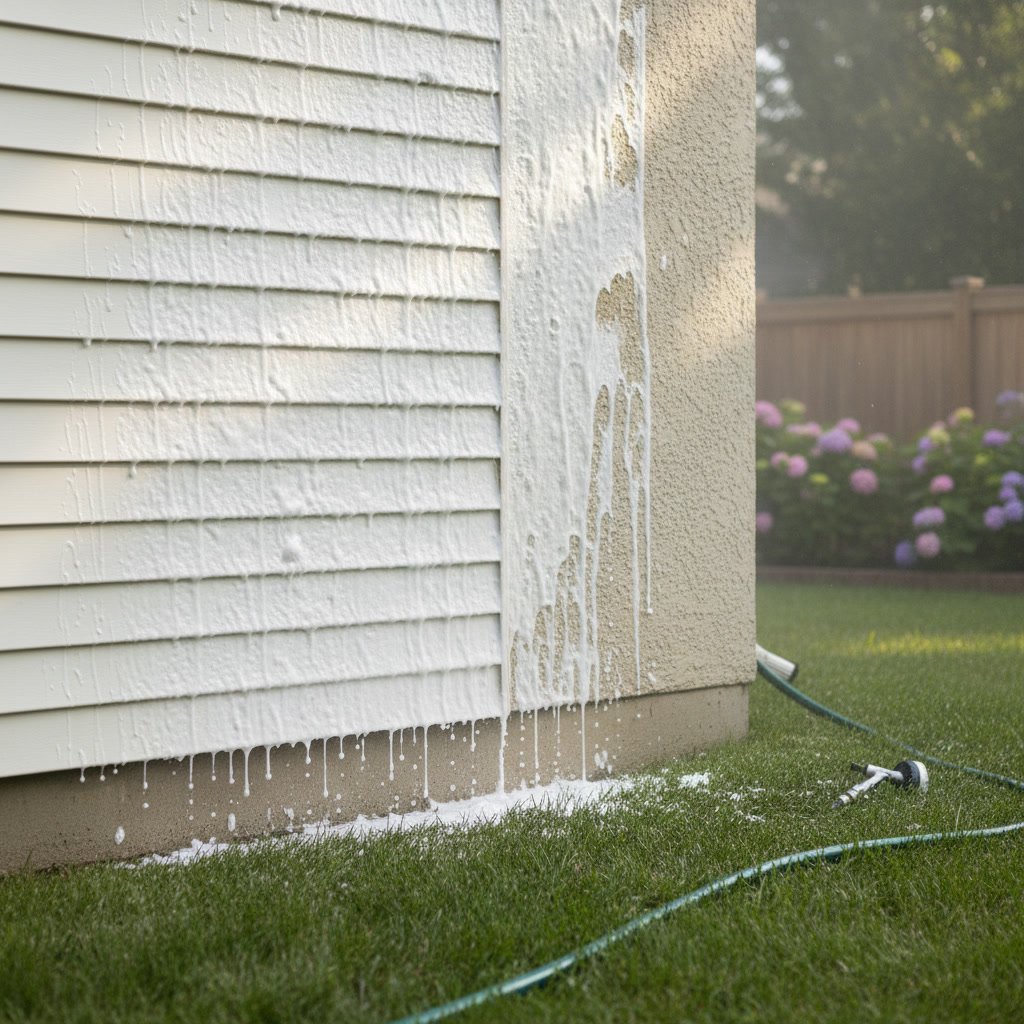
The soft washing system uses a low-pressure pump to apply cleaning agents evenly across your home’s exterior. Technicians work from bottom to top, applying a consistent coat that saturates all surfaces. The solution appears slightly foamy as surfactants activate.
Different formulations target specific problems. Algae and mold require different active ingredients than general dirt and oxidation. Professional companies adjust mixture ratios based on the severity of contamination and the type of surface being cleaned. A typical vinyl siding cleaning uses a diluted sodium hypochlorite solution, while stucco may require gentler formulations to protect the finish.
Step Three: Dwell Time for Chemical Action
After application, the solution sits on your home’s surface for 10 to 20 minutes. This dwell time allows cleaning agents to penetrate porous materials and break down organic growth. You’ll notice discoloration beginning to fade as the chemicals work.
Technicians monitor the process to prevent the solution from drying on the surface, which can leave streaks or residue. On hot days, they may mist the surface with water to keep it wet. This phase requires patience, but rushing it reduces cleaning effectiveness significantly.
Step Four: The Gentle Rinse Process
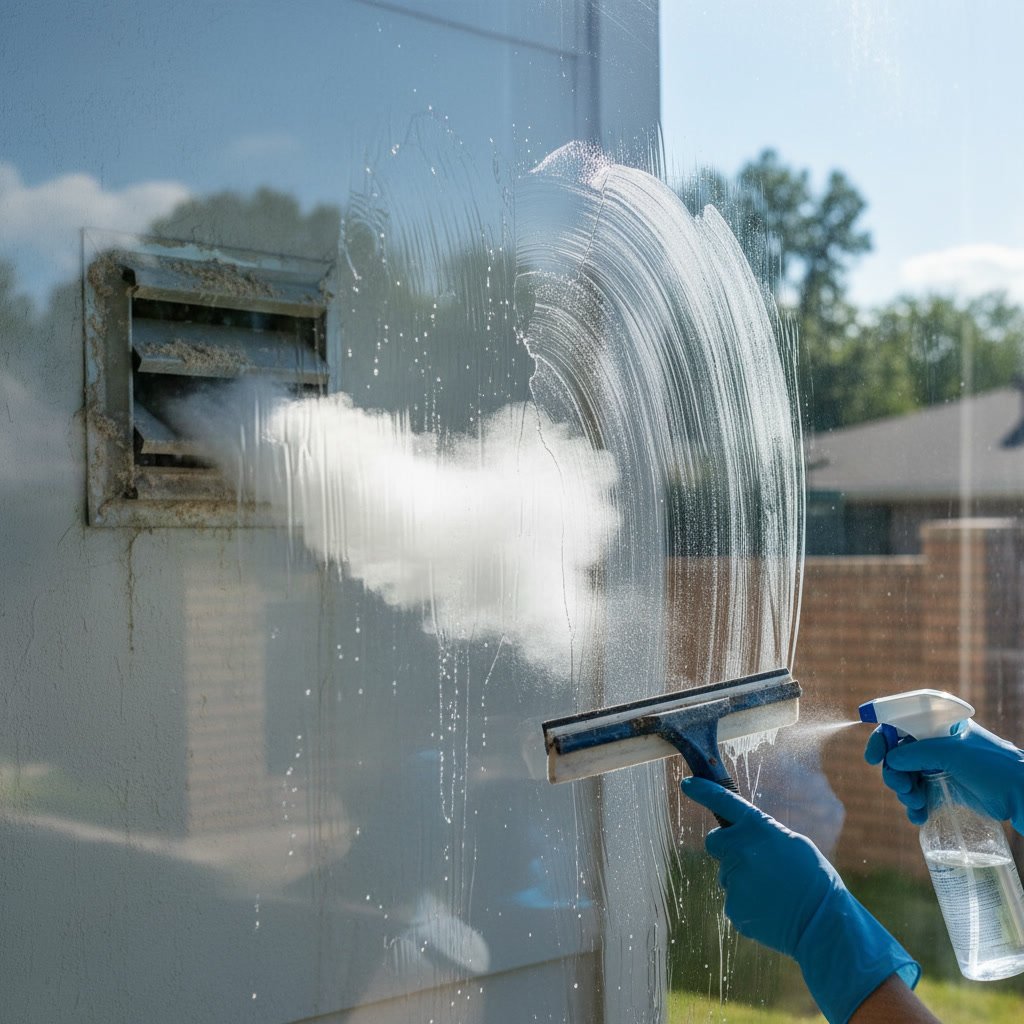
Rinsing removes the cleaning solution and all loosened contaminants. Technicians work from top to bottom, allowing gravity to assist the process. The low-pressure rinse prevents water from being forced behind siding or into stucco cracks.
Multiple passes ensure complete removal of all cleaning agents. Residual chemicals can attract dirt or cause discoloration over time. The rinse water should run clear by the final pass, indicating a thorough clean. Areas around windows, doors, and trim receive extra attention to remove any trapped solution.
Different Approaches for Vinyl Versus Stucco in Cromwell
Vinyl siding tolerates slightly stronger cleaning solutions because the material is non-porous. Most vinyl can handle standard soft washing formulations without special precautions beyond avoiding excessive pressure at seams and edges.
Stucco requires more careful treatment. The porous surface absorbs cleaning solutions quickly, so lower concentration mixtures prevent chemical penetration that could cause interior damage. Painted stucco needs gentler surfactants to avoid stripping or dulling the finish. Textured stucco finishes trap dirt in crevices, requiring longer dwell times for complete cleaning.
Understanding these material differences separates professional results from amateur attempts. A homeowner using a rental pressure washer cannot adjust chemical formulations or pressure settings with the precision needed for safe, effective cleaning. Residential house washing services use commercial-grade equipment calibrated for specific surfaces.
What Contaminants Get Removed During Soft Washing
Algae, mold, and mildew are the primary targets. These organisms create black, green, or brown streaks that make your home look aged and neglected. Soft washing kills them at the root level, providing results that last far longer than pressure washing alone.
Dirt, pollen, and atmospheric pollutants accumulate on exterior surfaces over time. These particles bond with organic growth, creating stubborn stains that simple rinsing cannot remove. The surfactants in soft washing solutions break these bonds and suspend particles in the rinse water.
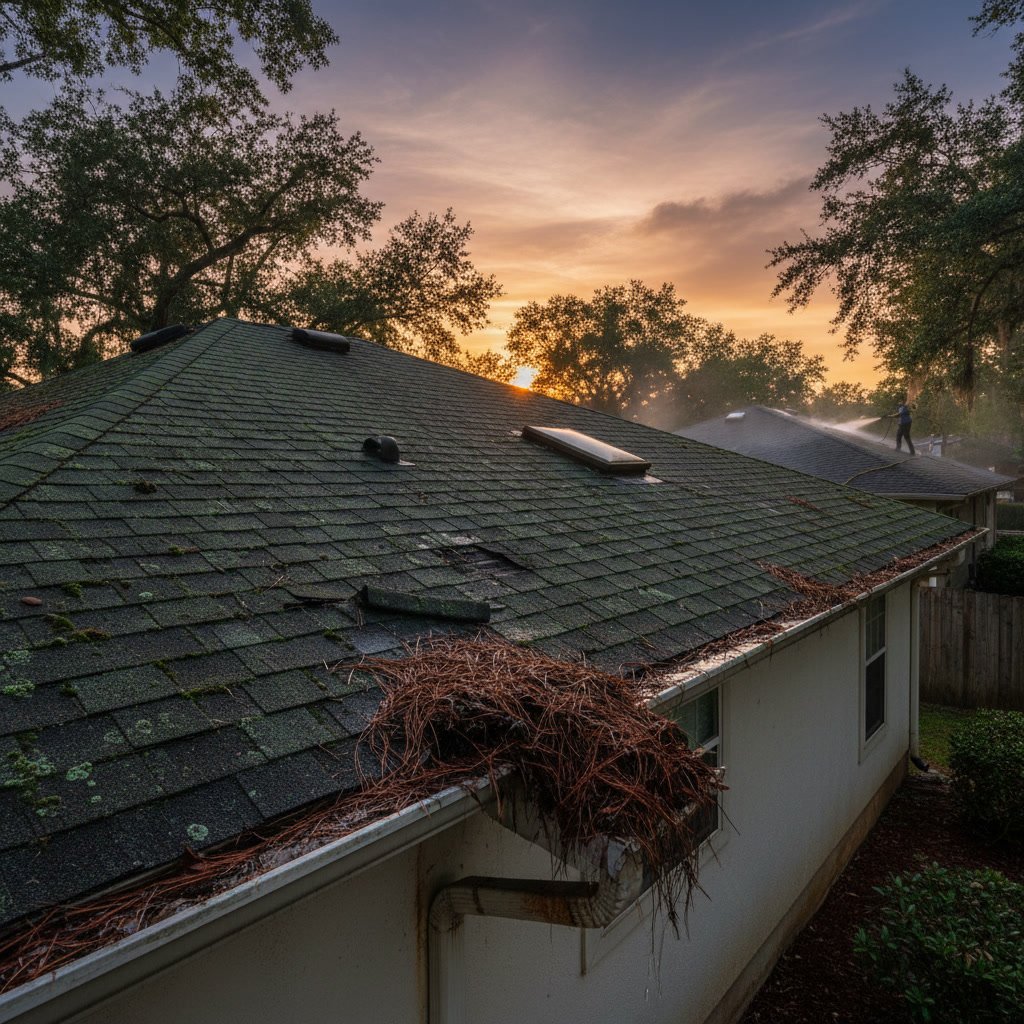
Oxidation, sometimes called chalking, occurs on vinyl siding as UV exposure degrades the material’s surface. This creates a dull, faded appearance. While soft washing cannot reverse oxidation, it removes the oxidized layer to reveal cleaner-looking siding underneath. For comprehensive exterior maintenance, many homeowners combine soft washing with services like gutter cleaning to protect their entire home.
The Environmental Safety of Soft Washing Solutions
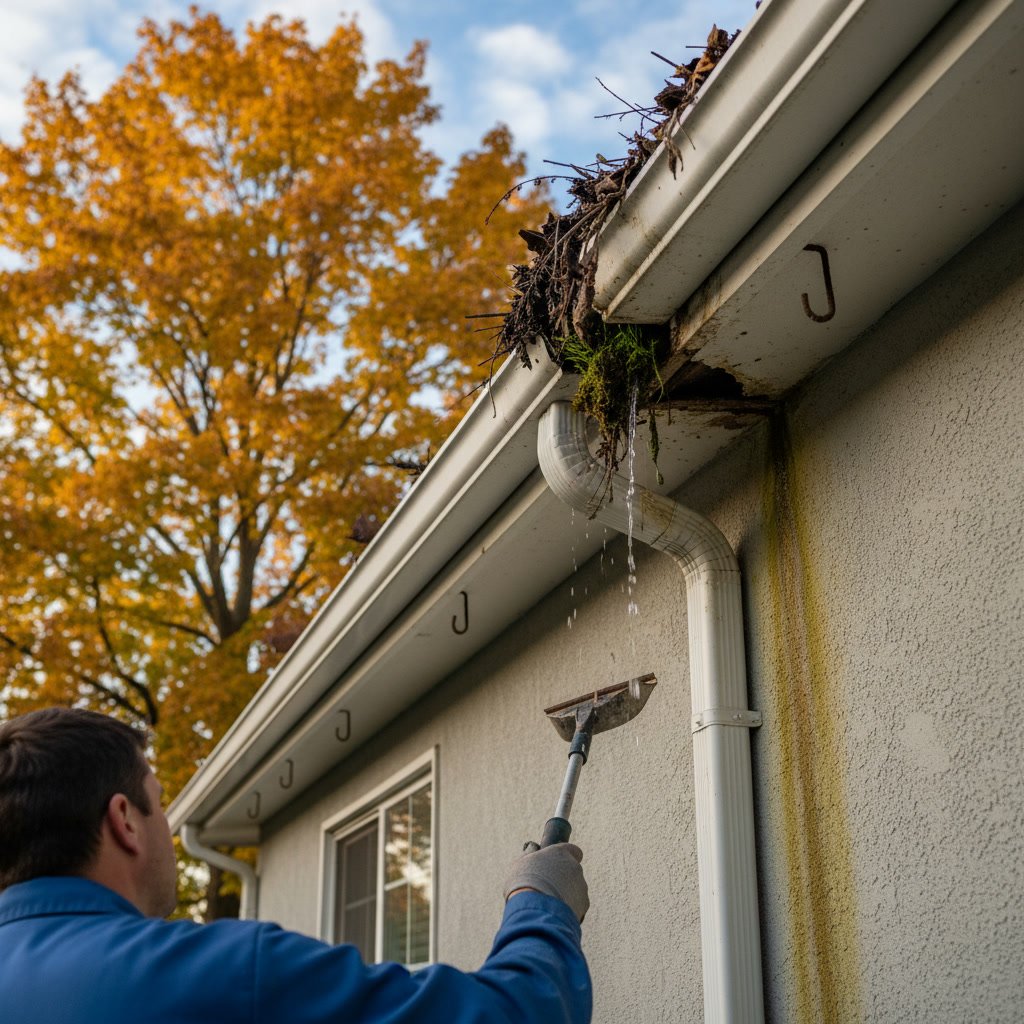
Professional soft washing companies use biodegradable cleaning agents that break down naturally within hours of application. The diluted solutions used on residential properties pose minimal risk to landscaping when proper precautions are followed.
Sodium hypochlorite, the active ingredient in many soft washing mixtures, is the same chemical found in household bleach. At the concentrations used for exterior cleaning, it neutralizes quickly when exposed to organic matter and sunlight. Rinse water dilutes the solution further as it flows away from your home.
Pre-wetting plants and thorough rinsing protect vegetation. Most landscaping tolerates brief exposure to properly diluted cleaning solutions without damage. Technicians avoid spraying directly on plants and ensure all solution is rinsed from foliage before completing the job.
How Often Your Home Needs Soft Washing
Most vinyl and stucco homes benefit from soft washing every 18 to 24 months. Homes in shaded areas or near water may need service annually due to increased moisture and algae growth. South-facing walls receive more UV exposure and often stay cleaner longer than north-facing surfaces.
Climate plays a major role in cleaning frequency. Connecticut’s humid summers create ideal conditions for organic growth on exterior surfaces. Regular soft washing prevents buildup that becomes harder to remove over time. Catching contamination early means gentler cleaning solutions and less aggressive treatment.
Visible signs indicate your home needs attention. Black streaks, green discoloration, or a generally dingy appearance mean organic growth has established itself. Waiting until contamination becomes severe requires stronger chemicals and longer treatment times. For those exploring comprehensive maintenance options, reviewing types of exterior cleaning services for your home helps create an effective schedule.
Protecting Your Investment Through Professional Service
Your home is likely your largest financial asset. Regular soft washing preserves your exterior surfaces and extends their lifespan by removing damaging contaminants. Algae and mold don’t just create cosmetic problems. They actively degrade siding and stucco materials, leading to premature replacement costs.
Professional service includes insurance coverage that protects you if something goes wrong. Experienced technicians recognize potential problems before they cause damage. They know which cleaning agents work best for your specific siding type and how to adjust their approach based on your home’s age and condition.
Patriot Pressure Washing brings military-trained attention to detail to every soft washing project. The company’s understanding of proper technique and surface protection ensures your vinyl or stucco exterior receives treatment that restores its appearance without causing harm. Since 2016, the business has served homeowners throughout Connecticut with exterior cleaning services that deliver lasting results.
If your home’s exterior shows signs of organic growth or general discoloration, professional soft washing restores its appearance safely and effectively. The process protects your investment while improving your property’s curb appeal. Contact Patriot Pressure Washing at +18606612407 to schedule an inspection and receive a detailed quote for soft washing services tailored to your home’s specific needs.