Professional deck cleaning sets the stage for winter protection, but proper preparation steps afterward determine whether your deck survives Connecticut’s freeze-thaw cycles without damage. The time between a thorough cleaning and the first hard freeze is critical for applying sealants, addressing structural issues, and removing debris that traps moisture. When you prepare deck for winter correctly, you prevent wood splitting, board warping, and structural deterioration that costs thousands to repair.
Connecticut winters bring repeated freeze-thaw cycles that expand moisture trapped in wood fibers, creating cracks and splits. A freshly cleaned deck provides the ideal surface for protective treatments, but only if you act before temperatures drop below 50 degrees Fahrenheit consistently.
Why Professional Cleaning Creates the Best Foundation for Winter Protection
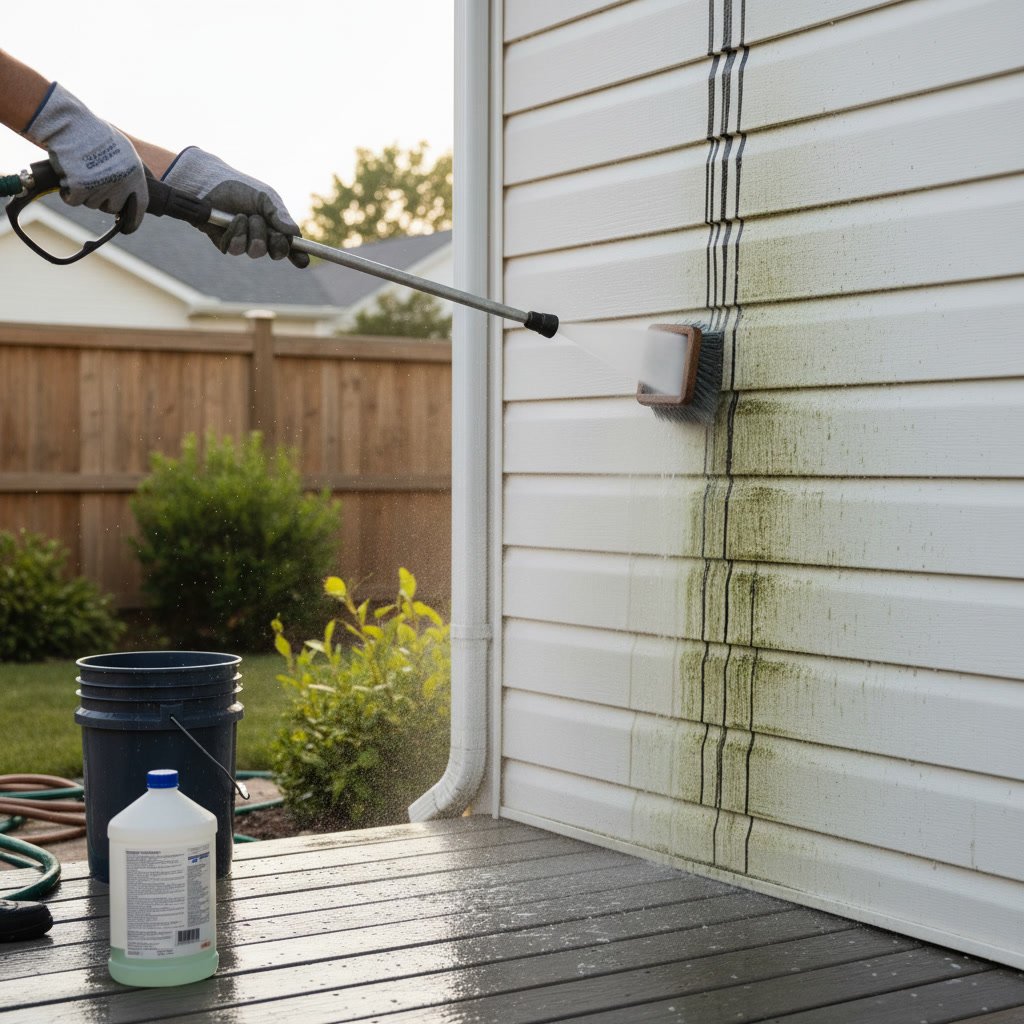
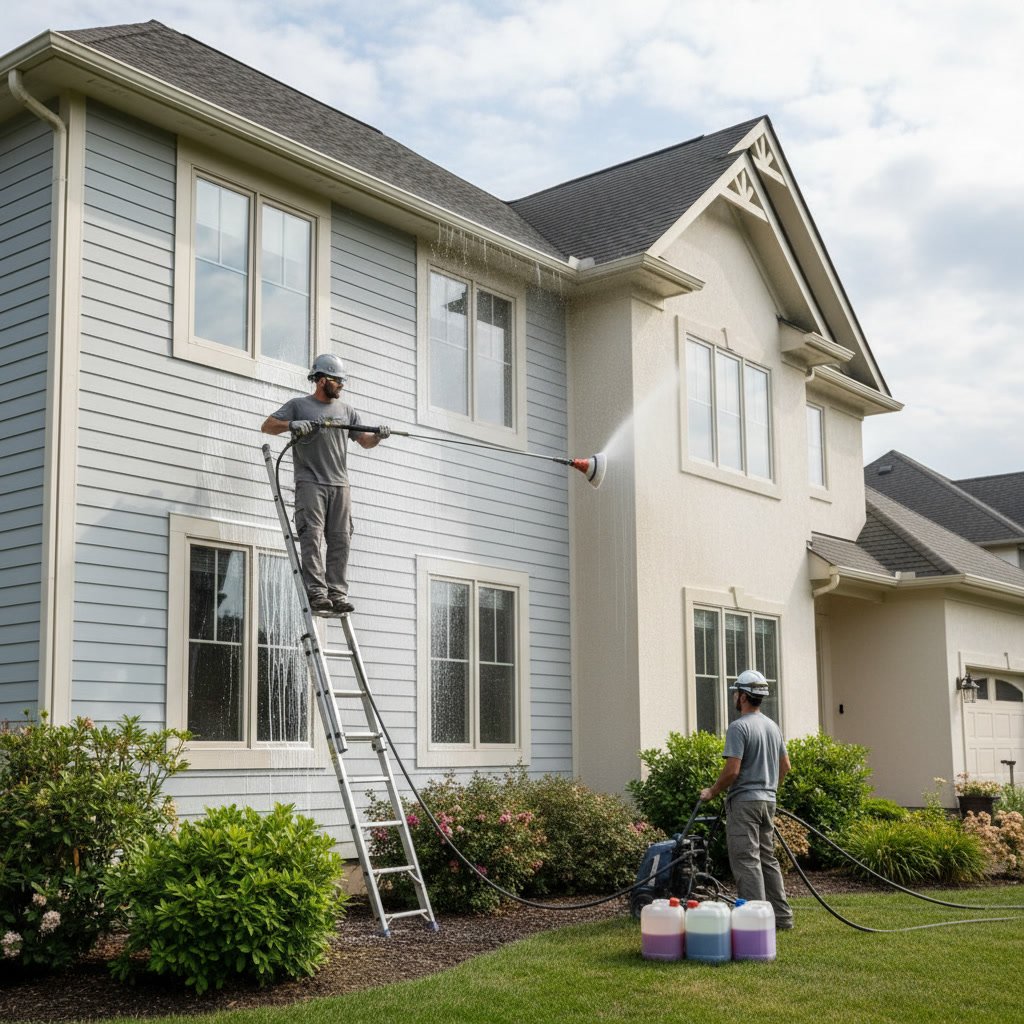
A clean deck surface allows sealants and stains to penetrate wood fibers properly. Dirt, mildew, and algae create barriers that prevent protective coatings from bonding. Professional Deck cleaning removes these contaminants completely, opening wood pores so treatments soak in rather than sitting on the surface where they peel off within months.
The cleaning process also reveals hidden damage. Cracked boards, loose fasteners, and areas of rot become visible once grime is removed. Addressing these issues before winter prevents small problems from becoming structural failures when ice and snow add weight to compromised areas.
Optimal Drying Time Between Cleaning and Sealing
Wood must dry completely before you apply any protective coating. Sealing moisture into wood fibers guarantees problems because trapped water has nowhere to go when temperatures drop. The wood expands during freezing, causing the coating to bubble and peel while creating internal cracks.
Most pressure-washed decks need 48 to 72 hours of dry weather to reach appropriate moisture levels. Use a moisture meter to verify wood contains less than 15 percent moisture before sealing. In Connecticut’s fall climate, this often means scheduling cleaning during a stretch of clear, low-humidity days with temperatures above 60 degrees.

Sealing and Staining Timeline for Maximum Protection
The window for applying deck sealant in Connecticut typically runs from late August through mid-October. Products need temperatures above 50 degrees during application and for 24 to 48 hours afterward to cure properly. Early preparation gives you flexibility if weather turns cold or wet unexpectedly.
Choose between clear sealers that highlight natural wood grain and semi-transparent stains that add color while still showing texture. Both protect against moisture intrusion, but stains offer additional UV protection that matters even in winter when low-angle sunlight can damage exposed wood.
Apply two thin coats rather than one thick layer. Thin coats penetrate deeper and create more durable protection. Wait four to six hours between coats on a dry day with low humidity.
Inspection and Repair Steps Before the First Freeze in Cromwell
Walk your entire deck and check every board, railing, and post. Look for loose screws or nails that allow boards to shift. Movement creates gaps where water collects and freezes. Tighten all fasteners and replace any that are stripped or rusted.
Examine the gaps between deck boards. These spaces allow water drainage, but debris often clogs them. Use a putty knife or narrow brush to clear leaves, dirt, and organic matter from between boards. Blocked gaps trap water that freezes and expands, pushing boards apart.
Check where posts meet the ground or concrete footings. Water collects in these joints and causes rot that compromises structural integrity. Apply extra sealant to these vulnerable areas, and verify that drainage moves water away from the deck base.
Furniture and Object Removal Strategy
Remove all furniture, planters, and decorative items from your deck before winter. Objects left in place trap moisture underneath and create dark, damp conditions where mold grows and wood deteriorates. Even weather-resistant furniture causes problems when ice forms around legs and prevents air circulation.
Store furniture in a shed or garage. If you must leave pieces outside, elevate them on blocks and cover them with breathable tarps that allow air movement. Never use plastic sheets that trap condensation.
Take down hanging plants and planters. Frozen soil expands and can crack ceramic or concrete containers. The weight of ice-filled planters also stresses railings and deck boards.
Comparing Wood Deck and Composite Deck Winter Preparation
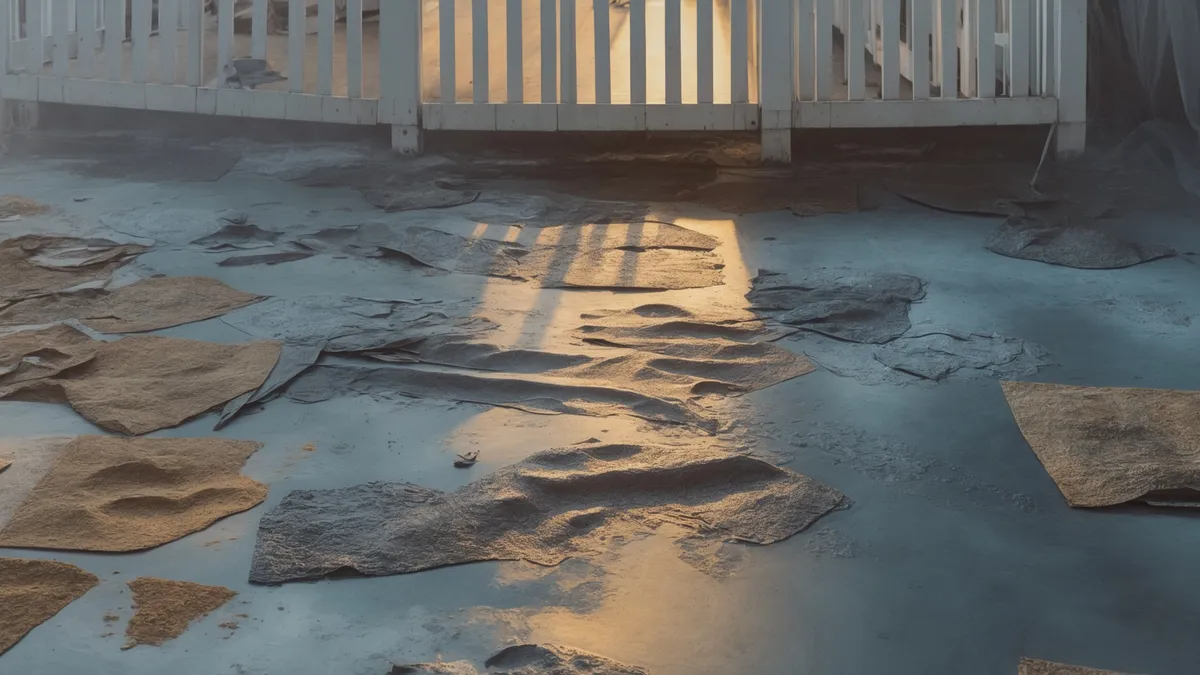
Wood decks require sealing to prevent moisture absorption. Without protection, water enters wood fibers, freezes, and causes splitting. The process must be repeated every one to three years depending on product quality and exposure.
Composite decks don’t absorb water like wood, but they still need preparation. Clean composite surfaces thoroughly to remove dirt and organic matter. Check fasteners and support structure, which are typically wood even when deck boards are composite. These wood components need the same protection as traditional decks.
Both materials benefit from clearing debris between boards and ensuring proper drainage. Ice formation puts stress on any deck material. The key difference is that composite surfaces don’t need sealing, but everything else in your preparation checklist still applies.
Gutter and Drainage System Coordination
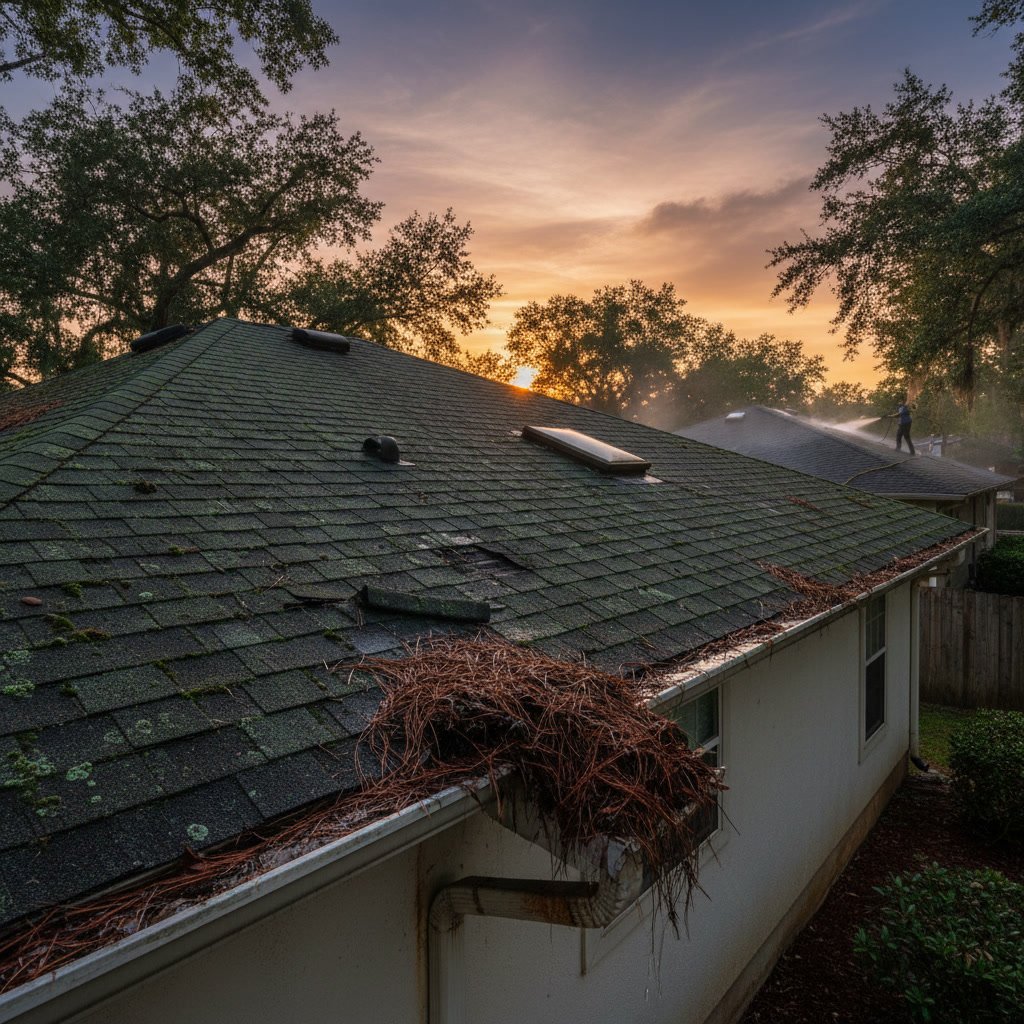
Your deck’s winter survival depends partly on systems you might not associate with it. Clogged gutters overflow during rain and snowmelt, dumping water directly onto deck surfaces. This constant moisture exposure overwhelms even the best sealant.
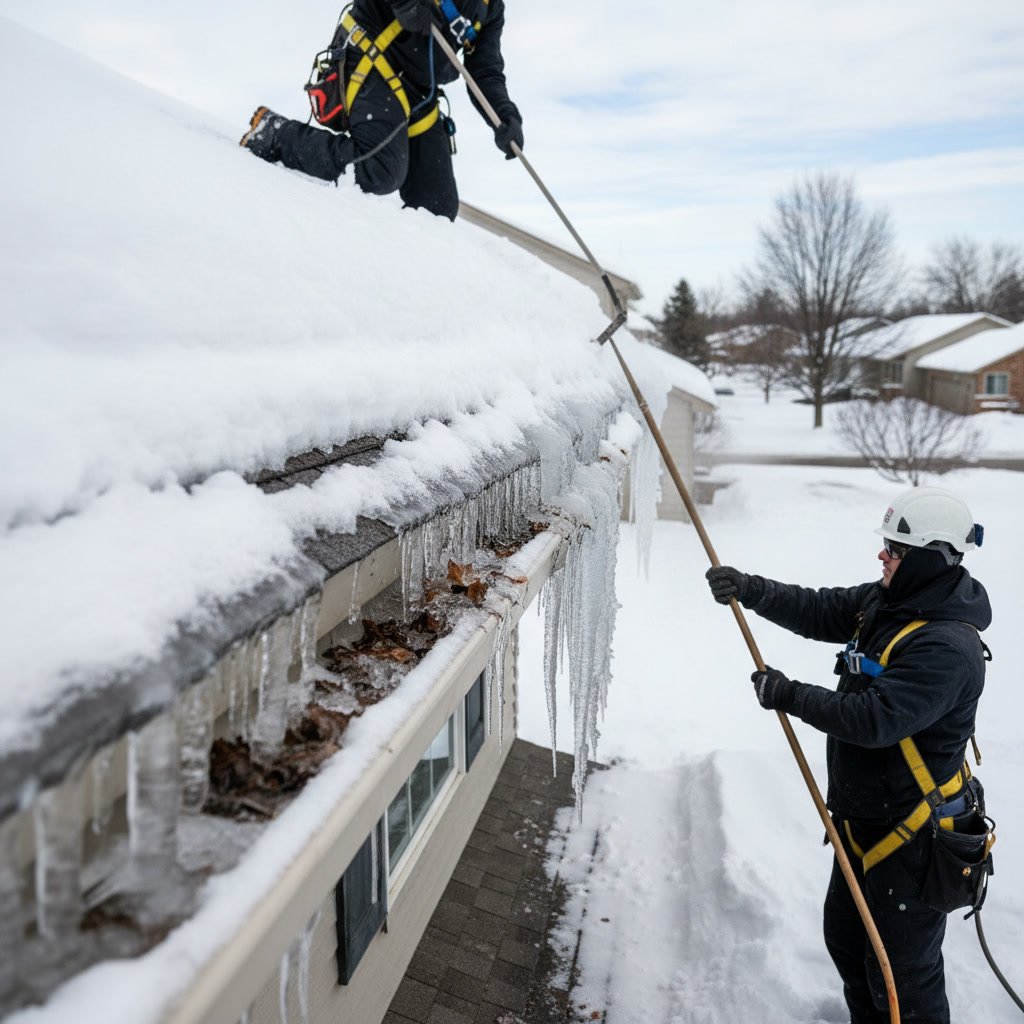
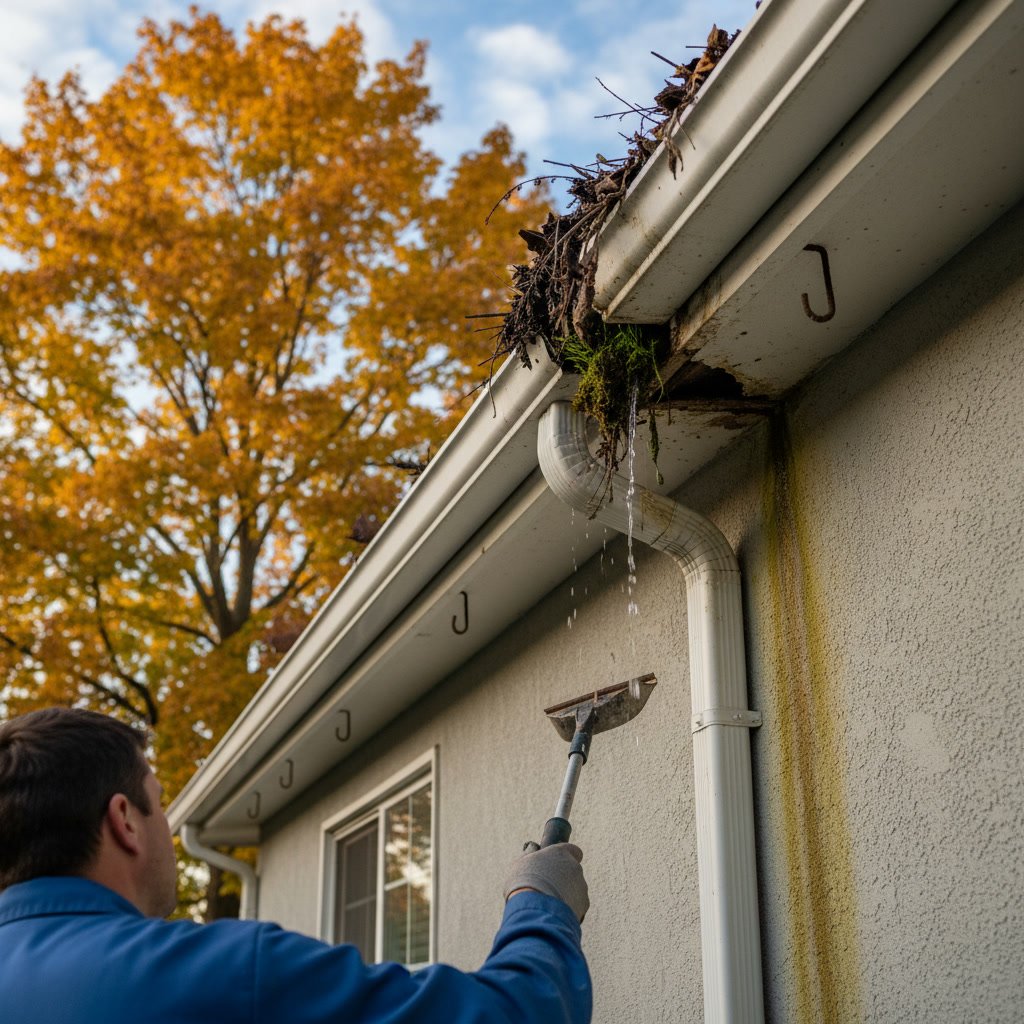
Schedule Gutter cleaning before winter to ensure downspouts direct water away from your deck. Verify that ground slopes away from the deck base so melting snow doesn’t pool underneath the structure.
If your deck sits below a roof edge without gutters, consider adding them or installing a drip edge that directs water away from the deck surface. Repeated soaking from roof runoff causes more damage than normal precipitation.
Snow and Ice Management Throughout Winter
Remove snow from your deck after storms that drop more than four inches. Heavy snow loads stress support beams and boards, especially on older decks. Use a plastic shovel rather than metal to avoid gouging the sealed surface.
Leave a thin layer of snow rather than scraping down to bare wood. This residual layer provides insulation and reduces freeze-thaw cycles that damage wood. Never use rock salt or calcium chloride ice melt products on wood decks because they draw moisture into wood and corrode metal fasteners.
If ice forms, let it melt naturally or use sand for traction. Chipping ice with tools damages sealant and creates entry points for moisture. The temporary inconvenience of waiting for natural melting prevents permanent damage to your deck surface.
Railing and Stair Winterization Details
Railings and stairs receive less attention than deck surfaces but face the same winter threats. Water collects in joints where balusters meet rails and where stringers attach to deck frames. These joints need thorough sealing because trapped moisture causes structural weak points.
Apply extra sealant to end grain on stair treads. End grain absorbs moisture much faster than face grain, making stair ends particularly vulnerable to freeze damage. Two or three coats on these areas provide appropriate protection.
Test railing stability before winter. Loose railings become hazardous when ice makes decks slippery. Tighten all connections and replace any damaged sections. A railing failure during winter when decks are icy can cause serious injuries.
Why Timing Matters More Than Product Choice
Homeowners often focus on finding the perfect sealant or stain while ignoring timing. The reality is that a mid-grade product applied at the right time outperforms premium products applied too late. Once temperatures drop consistently below 50 degrees, even the best coatings won’t cure properly.
Connecticut’s fall weather is unpredictable. A warm September can turn into an early October freeze. Schedule your deck preparation for late August or early September to avoid the rush of homeowners trying to beat the first frost. Regular maintenance throughout the year makes fall preparation easier because you’re not addressing neglect from multiple seasons.
Professional cleaning services book quickly in fall. Contact providers in mid-summer to secure your preferred date. This advance planning ensures your deck gets cleaned and dried with enough time remaining for proper sealing before cold weather arrives.
Protecting Your Investment Through Strategic Winter Preparation
A well-maintained deck adds value to your home and provides outdoor living space for years. The investment in professional cleaning and proper winterization costs a fraction of deck replacement or major repairs. Connecticut’s harsh winters will find and exploit every weakness in unprotected wood.
The steps outlined here work together as a system. Skipping even one creates a vulnerability that winter weather will worsen. Cleaning removes contaminants, drying allows sealant penetration, inspection catches structural issues, and proper product application creates a moisture barrier. Each step builds on the previous one.
Homeowners who follow this preparation process consistently report decks lasting 20 to 30 years with minimal repairs. Those who skip winterization often face board replacement within 10 years. The time and expense of proper preparation pay returns measured in decades of use.
Patriot Pressure Washing combines military precision with eight years of Connecticut deck care experience. Our professional cleaning removes contaminants that prevent sealant adhesion and reveals damage before it becomes structural failure. We serve Cromwell and surrounding communities with scheduling that gives you adequate drying time before sealing season ends. Contact us at (860) 661-2407 to book your pre-winter deck cleaning and ensure your outdoor space survives another Connecticut winter without damage.