
Regular deck maintenance between cleanings extends the life of your deck by years and keeps it looking fresh throughout every season. Simple weekly and monthly tasks prevent dirt buildup, reduce mildew growth, and catch small problems before they become expensive repairs. Professional cleaning removes deep-set grime and restores your deck, but daily care determines whether that clean appearance lasts three months or three years.
Why Regular Maintenance Matters for Deck Longevity
Wood and composite decks face constant assault from the elements. Moisture seeps into cracks, UV rays break down protective finishes, and organic debris feeds mold and mildew. Without regular attention, a professionally cleaned deck can return to its previous grimy state within weeks, especially in Connecticut’s humid climate where biological growth thrives.
The goal of maintenance is not to replace professional deck cleaning but to maximize the time between services. When you address surface dirt immediately and prevent moisture accumulation, you protect both the appearance and structural integrity of your investment. Neglected decks develop rot, splinter more easily, and require replacement decades sooner than maintained ones.
Understanding Your Deck Material and Its Specific Needs
Different deck materials require different maintenance approaches. Pressure-treated lumber needs annual sealing and frequent checks for rot. Cedar and redwood rely on natural oils that must be replenished with appropriate sealers. Composite decking resists rot but still harbors mold in its textured surface if not cleaned regularly.
Check your deck’s finish type before starting any maintenance routine. Penetrating sealers absorb into the wood and need reapplication every one to three years. Film-forming stains sit on the surface and can peel if moisture gets underneath. Knowing what protection your deck has determines which cleaning methods are safe and which could cause damage.
Weekly Tasks That Prevent Dirt Buildup
Sweep your deck once a week using a stiff-bristled broom. This removes leaves, pollen, and dirt before they combine with moisture to create staining or provide food for mold. Pay special attention to the gaps between boards where debris accumulates and traps water against the wood.
Move planters, furniture, and decorative items at least once weekly. Constant contact creates damp spots underneath that encourage rot and leave permanent shadows on the wood. Rotating these items prevents moisture traps and ensures even weathering across the entire deck surface.
Inspect high-traffic areas for developing issues. Look for loose boards, protruding nails, or splintering wood that could injure bare feet. Catching these problems early allows for simple repairs instead of board replacement.
Monthly Deep-Cleaning Techniques in Cromwell
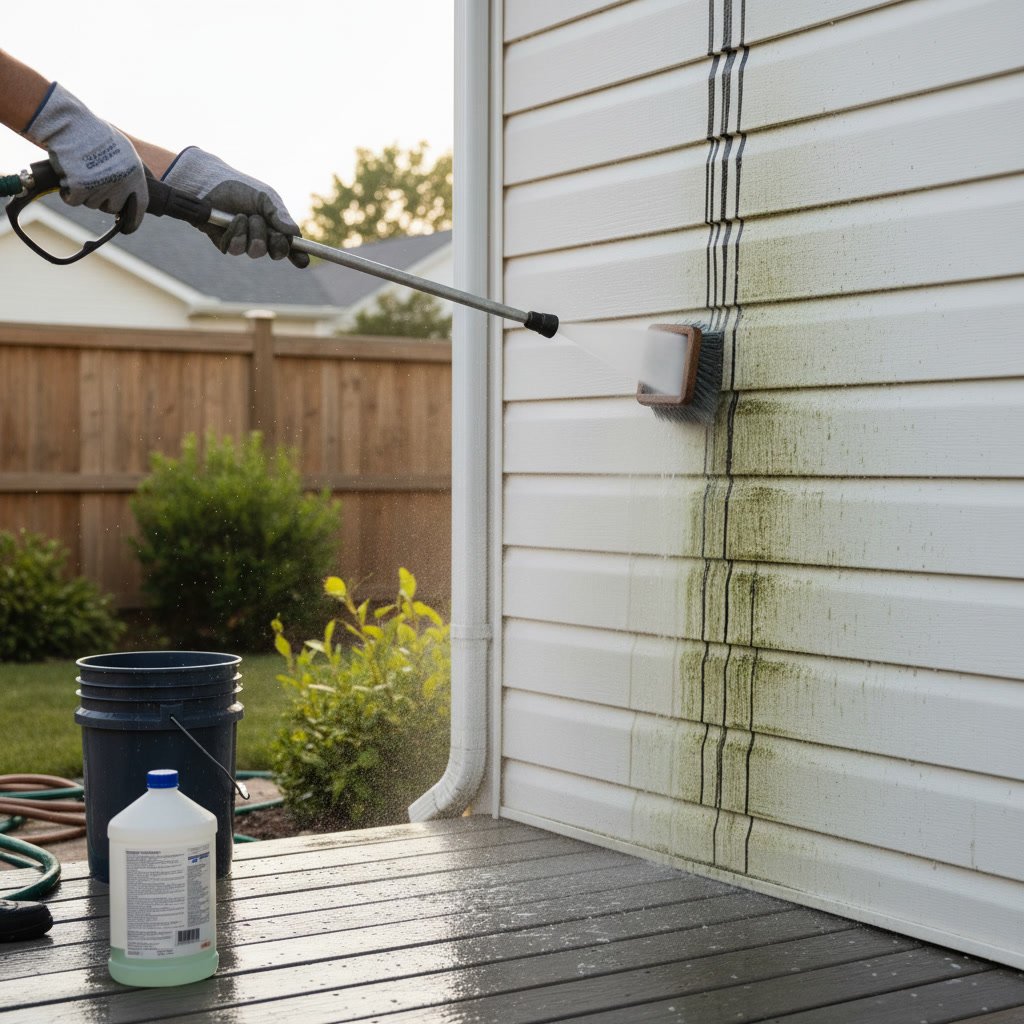
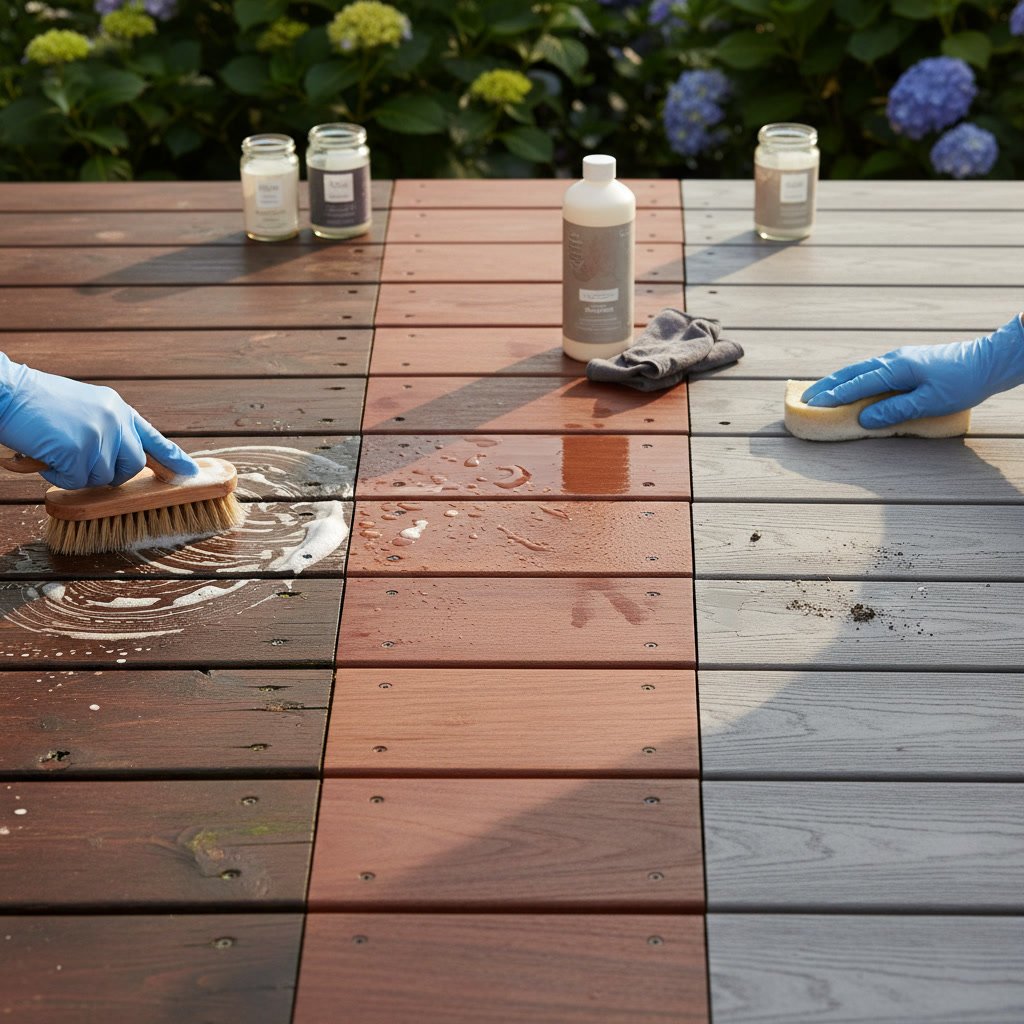
Once a month, wash your deck with a garden hose and soft-bristled brush. Use a solution of mild dish soap and warm water for wood decks or a composite deck cleaner for synthetic materials. Scrub in the direction of the wood grain to avoid damaging the surface or creating scratches that collect dirt.
Rinse thoroughly after washing. Soap residue attracts dirt and creates slippery surfaces when wet. A standard garden hose provides enough pressure to remove soap without the force that damages wood fibers or strips sealant.
This monthly wash removes surface grime before it bonds to the deck material. While it does not replace the deep cleaning that professional pressure washing provides, it keeps your deck presentable and reduces the workload during annual service.
Addressing Stains and Spills Immediately
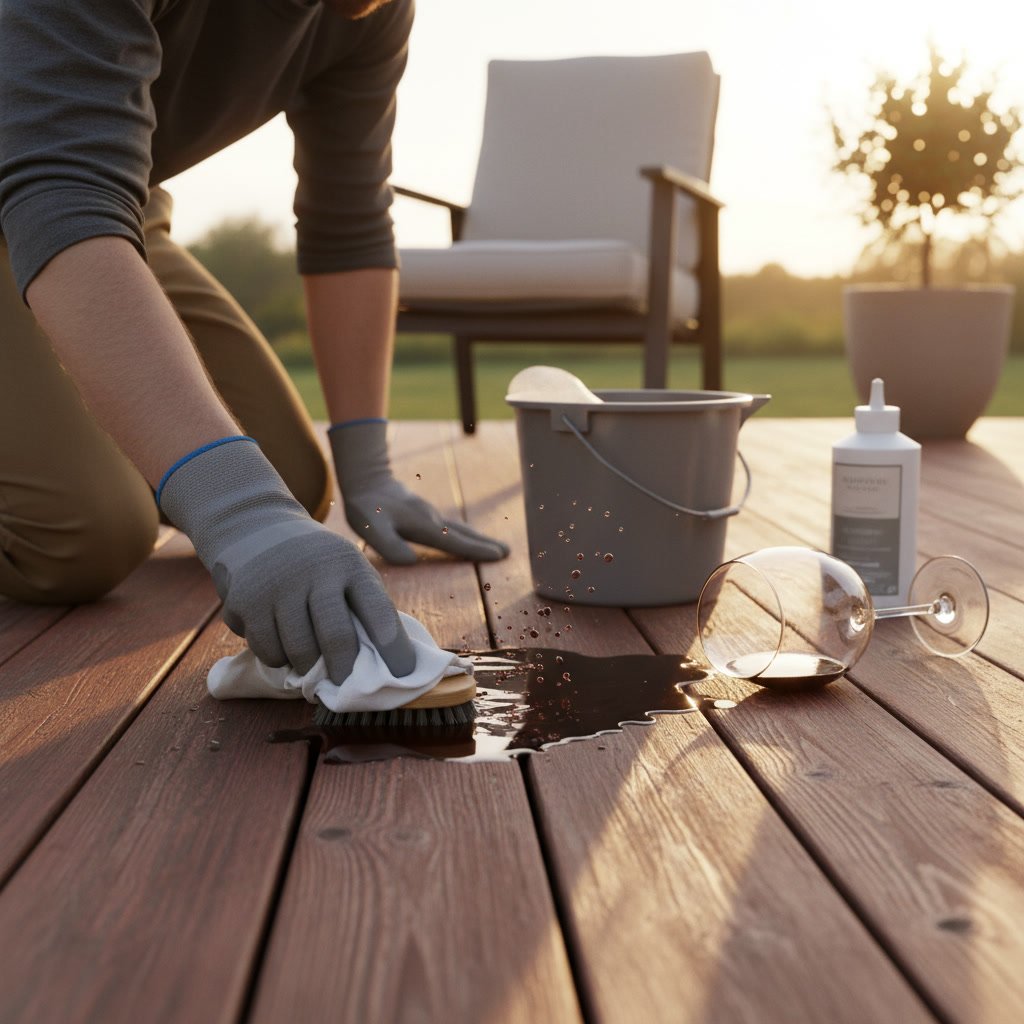
Food spills, bird droppings, and plant tannins cause permanent staining if left untreated. Address these issues within 24 hours for the best chance of complete removal. Scrape away solid material with a plastic putty knife, then treat the stain with an appropriate cleaner.
For organic stains like leaves or berries, use oxygen bleach mixed according to package directions. Apply it to the stain, let it sit for 10 minutes, then scrub and rinse. Never use chlorine bleach on wood decks, as it breaks down lignin and weakens the wood structure.
Oil-based stains from grease or sunscreen require a degreasing dish soap or specialized deck cleaner. Work the cleaner into the stain with a soft brush, then rinse thoroughly. Persistent stains may need multiple treatments but will often fade with each cleaning.
Controlling Mold, Mildew, and Algae Growth
Biological growth appears as black, green, or gray patches on deck surfaces, especially in shaded areas with poor air circulation. These organisms thrive in Connecticut’s humid summers and return quickly after cleaning if conditions remain favorable.
Trim back vegetation that shades your deck or prevents airflow. Sunlight and air movement are your best defenses against mold and mildew. Even a few hours of direct sun daily can significantly reduce growth rates.
When you spot small patches of growth between professional cleanings, treat them immediately with a deck-safe mold remover. Apply the product, let it work for the recommended time, then scrub and rinse. This prevents the growth from spreading and keeps your deck looking clean longer. The same principles that apply to exterior cleaning services work for deck maintenance as well.
Protecting Your Deck from Water Damage
Water is the primary enemy of deck longevity. Standing water accelerates rot, encourages biological growth, and causes warping. After rain or snow, sweep water off the deck surface instead of letting it evaporate naturally. This simple step significantly reduces moisture exposure.
Check the gaps between deck boards for clogs. These spaces allow water to drain away from the surface, but they become blocked with debris over time. Use a putty knife or specialized gap-cleaning tool to remove packed dirt and organic matter at least twice a year.
Inspect the areas where posts meet the ground or where the deck attaches to your house. These transition points collect water and often show the first signs of rot. Ensure proper flashing exists at the ledger board and that post bases allow drainage rather than trapping moisture.
Seasonal Preparation and Protection Strategies
Spring preparation involves a thorough inspection after winter’s freeze-thaw cycles. Look for frost heave damage, cracked boards, and popped nails. Address these repairs before the busy outdoor season begins.
Summer maintenance focuses on keeping the deck clean despite heavy use. Increase sweeping frequency during pollen season and immediately after outdoor meals. Consider placing mats at entry points to reduce tracked dirt.
Fall requires removing leaves daily if your deck sits under trees. Wet leaves create tannin stains within hours and trap moisture that accelerates rot. Before winter arrives, give your deck a final thorough cleaning and check that all fasteners are secure.
Winter demands careful snow removal. Use a plastic snow shovel to avoid gouging the deck surface. Never use rock salt or calcium chloride on wood decks, as these chemicals damage both wood and metal fasteners. Sand provides traction without causing harm.

When to Reapply Sealers and Protective Coatings
Most deck sealers and stains last two to three years under normal conditions, but high-traffic areas and horizontal surfaces degrade faster. Test your deck’s protection by sprinkling water on the surface. If the water beads up, the sealer is still working. If it soaks in immediately, reapplication is overdue.
The best time to reseal is when the deck is completely clean and dry. This typically means scheduling power washing service in spring or early summer, then waiting 48 hours of dry weather before applying new sealer. The wood must be bone-dry for proper sealer penetration.
Apply thin coats rather than thick ones. Multiple thin applications penetrate better and last longer than a single heavy coat. Follow the manufacturer’s recommended coverage rate and drying times between coats. This expert-level insight comes from years of field experience: over-application of sealer creates a surface film that peels prematurely, while under-application leaves wood vulnerable in as little as six months.
Tools and Products Worth the Investment
A quality deck brush with stiff synthetic bristles makes monthly cleaning far more effective than a standard broom. Look for brushes with extending handles that let you clean the entire deck without kneeling.
Keep a deck-safe oxygen bleach cleaner on hand for organic stains and mildew spots. Unlike chlorine bleach, oxygen bleach brightens wood without degrading its structure. A gallon container typically costs between 15 and 25 dollars and lasts an entire season for spot treatments.
A gap-cleaning tool removes packed debris from between boards more effectively than improvised solutions. These specialized scrapers cost less than 10 dollars and prevent damage to board edges that can occur when using metal putty knives.
For composite decks, manufacturer-specific cleaners preserve the warranty and avoid damage from incompatible products. While these cleaners cost more than generic options, they are formulated specifically for the material’s chemistry and texture.
Keeping Your Investment Beautiful Year-Round
Consistent deck maintenance requires modest time investment but delivers substantial returns in appearance, safety, and longevity. A weekly 10-minute sweep and monthly 30-minute wash prevent the gradual deterioration that transforms a beautiful outdoor space into an eyesore requiring replacement.
The maintenance tasks outlined here complement rather than replace professional cleaning. Annual or biennial deep cleaning from Patriot Pressure Washing removes the embedded grime and biological growth that regular maintenance cannot address, while your ongoing care preserves that professional result throughout the year.
Your deck represents a significant investment in your home’s livable space and property value. Protecting that investment through simple, regular maintenance ensures you enjoy a beautiful, safe outdoor area for decades. Whether your deck overlooks the backyard in Manchester or provides a gathering space for family meals, these maintenance practices keep it looking its best between professional services.
Patriot Pressure Washing brings military precision and attention to detail to every deck cleaning project in Connecticut. If your deck needs professional restoration or you have questions about maintaining your specific deck material, call +18606612407 to schedule a consultation and discover how proper cleaning sets the foundation for successful year-round maintenance.