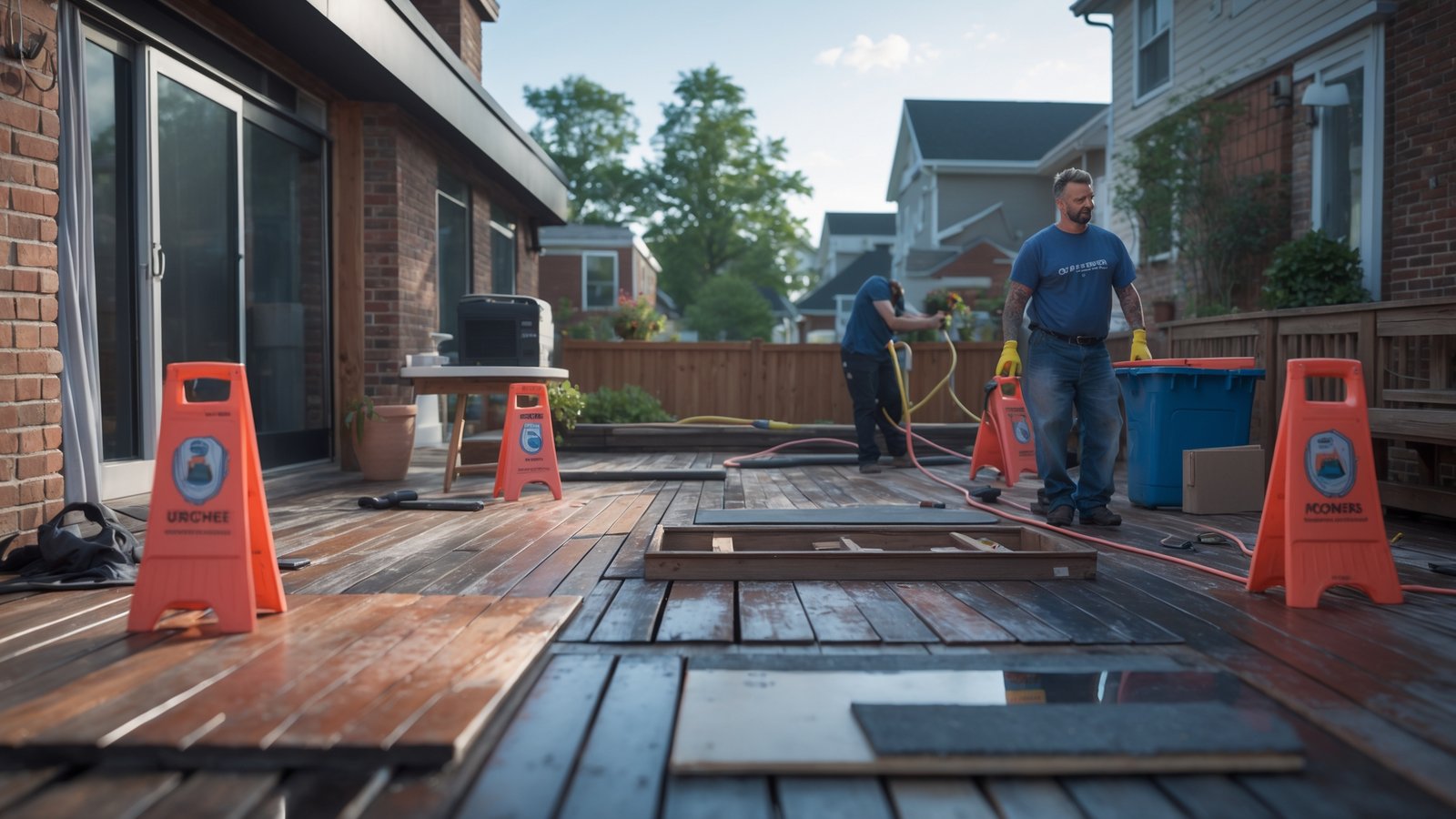

Your deck shows clear warning signals before serious damage sets in. Recognizing the signs deck needs cleaning early protects your investment and prevents costly repairs down the line. Green or black stains, splintering wood, water pooling on the surface, and a slippery texture all indicate your deck requires immediate professional attention to avoid permanent deterioration.
Why Regular Deck Maintenance Matters
A well-maintained deck adds value to your home and provides years of outdoor enjoyment. Wood and composite decking materials constantly face harsh Connecticut weather, from winter ice to summer humidity. Without proper care, these surfaces break down faster than most homeowners expect.
The average deck replacement costs between $15,000 and $30,000, while professional cleaning runs a fraction of that amount. Preventive maintenance extends your deck’s lifespan by 10 to 15 years in most cases. The key is catching problems early, before moisture penetrates deep into the wood or composite material.
The Hidden Cost of Neglecting Your Outdoor Spaces
Dirt and organic matter don’t just make your deck look bad. They trap moisture against the surface, creating the perfect environment for rot, mold, and structural weakness. Once decay reaches the joists and support beams, you’re looking at major reconstruction instead of simple cleaning.
Insurance claims related to deck collapses have increased 25% over the past decade, often linked to rotted wood that went unnoticed. Regular inspection and cleaning catch these issues before they become safety hazards. Many homeowners discover structural problems only after removing years of built-up grime during a thorough deck cleaning service.
Green or Black Discoloration Spreading Across Boards
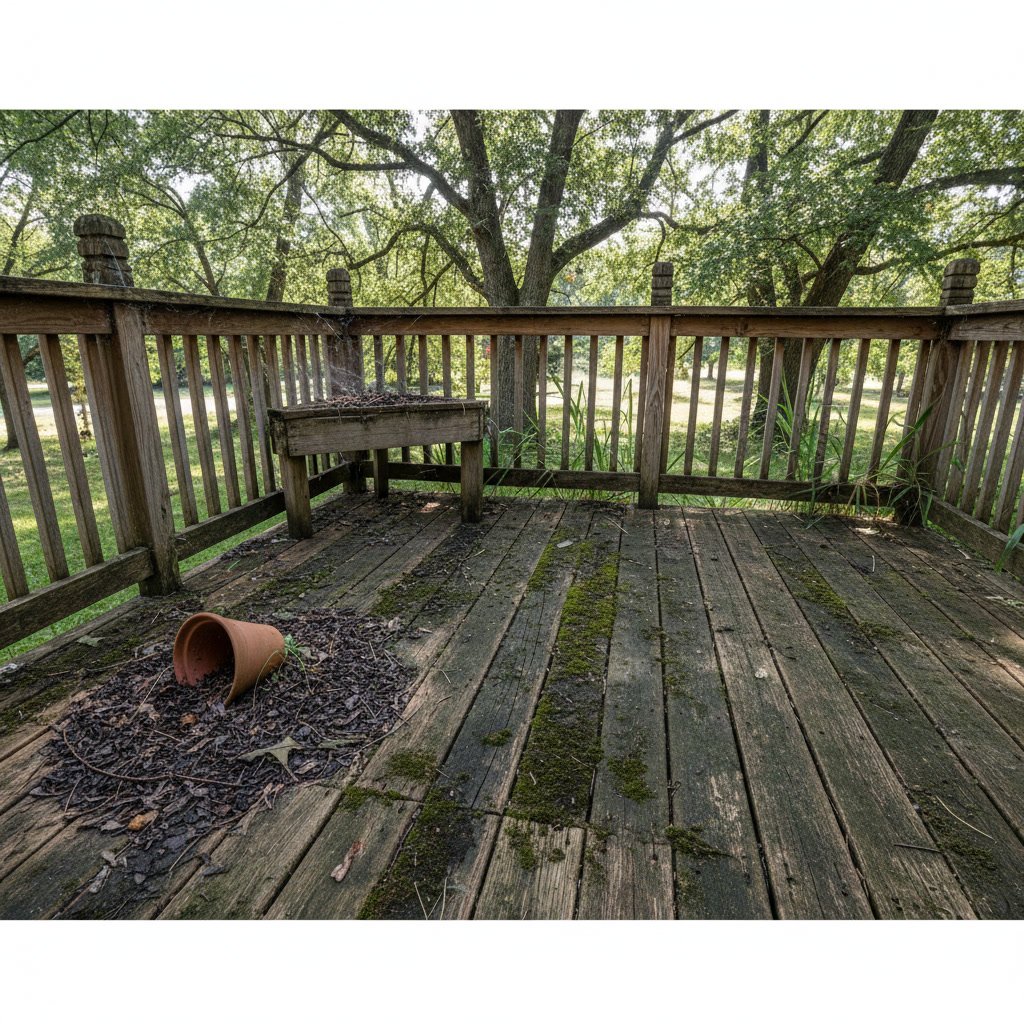
Dark stains spreading across your deck boards signal algae, mildew, or mold growth. These organisms feed on the organic compounds in wood and thrive in damp, shaded areas. What starts as a few spots quickly spreads across entire sections if left untreated.
Algae makes surfaces dangerously slippery, especially after rain. The moisture these organisms retain accelerates wood decay and breaks down protective sealants. Black stains often indicate mold penetration, which requires specialized treatment beyond surface cleaning.
Connecticut’s humid summers create ideal conditions for this growth. Properties in Cromwell and surrounding areas with mature tree coverage see faster algae development due to reduced sunlight and increased moisture.
Wood Splinters and Rough Texture When Walking Barefoot
A smooth deck that suddenly feels rough indicates the protective finish has worn away. Exposed wood fibers absorb moisture, swell, and create splinters that make barefoot walking painful or impossible. This texture change means your deck has lost its weather resistance.
Splintering accelerates once it starts. Each rain cycle swells the wood, and each dry period shrinks it again. This constant expansion and contraction breaks down cell structure and creates deeper cracks. Professional cleaning removes the damaged surface layer and prepares the deck for fresh sealing.
Most decks need refinishing every two to three years, but proper cleaning between treatments extends this timeline. Many of the same principles that apply to exterior cleaning services for your home also protect wooden deck surfaces from premature aging.
Water Pooling Instead of Beading on the Surface
Fresh sealant causes water to bead up and roll off your deck. When water soaks in or pools in flat areas, the protective barrier has failed. This absorption allows moisture to penetrate deep into the wood grain, where it causes rot from the inside out.
Test your deck by splashing a cup of water on different sections. If the water disappears within 10 minutes, your deck needs immediate resealing after cleaning. Areas around railings and stairs typically show failure first because they receive more exposure to weather.
Composite decking also benefits from water repellent treatments, though manufacturers often claim maintenance-free performance. Even synthetic materials develop a porous surface layer after years of UV exposure and need professional attention to maintain their water resistance.

Visible Dirt Buildup in Grooves and Between Boards
The gaps between deck boards trap leaves, dirt, pollen, and debris throughout the year. This organic matter holds moisture against the wood and creates acidic conditions that eat away at protective finishes. When you can see black lines between boards, decomposition is already underway.
Pressure washing removes this hidden threat that garden hoses can’t reach. The spaces between boards need just as much attention as the walking surface. Clogged gaps also prevent proper drainage, causing water to sit on the deck instead of flowing through to the ground below.
Check the areas under your deck boards during cleaning. If you find soft, spongy wood or a strong musty smell, moisture damage has already started. Early detection through regular cleaning gives you time to address these issues before they compromise structural integrity.
Faded or Uneven Color Compared to Original Finish
UV radiation breaks down wood lignin, causing the gray, weathered appearance that aged decks develop. This fading indicates your deck has lost its protective layer and stands vulnerable to moisture damage, insect infestation, and accelerated aging.
Uneven fading creates an unattractive patchwork appearance. Areas under furniture or planters retain their original color while exposed sections turn gray. Professional cleaning strips away this oxidized layer and reveals the healthy wood underneath, creating a uniform surface ready for new finish.
The same UV damage affects your home’s siding and other exterior surfaces. Coordinating your deck cleaning with residential house washing creates a cohesive, well-maintained appearance for your entire property.
Slippery Surface Even When Dry
A deck that feels slick underfoot even in dry weather has developed a biofilm layer. This invisible coating of bacteria, algae, and organic matter creates a hazardous walking surface. The film also prevents new sealant from adhering properly if you try to refinish without thorough cleaning first.
Composite decking develops this slippery film faster than wood because the synthetic surface doesn’t absorb moisture. The film sits on top, creating an especially dangerous condition on stairs and ramps where traction matters most.
Professional cleaning eliminates biofilm at the microscopic level using the right combination of cleaning agents and pressure settings. Attempting this work yourself with incorrect techniques can damage the deck surface or leave residue that accelerates future buildup.
Nails or Screws Becoming Visible or Raised
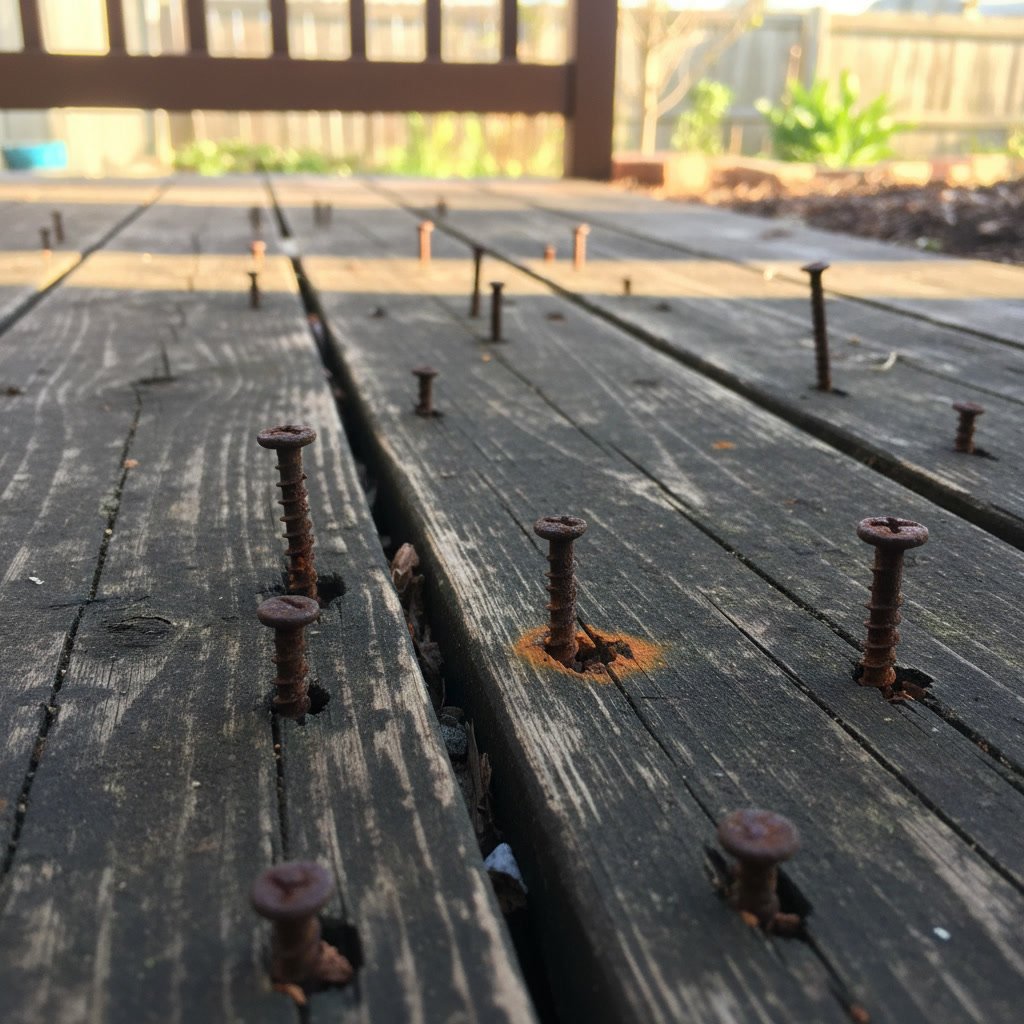
Fasteners that suddenly protrude above the deck surface indicate serious problems. As wood shrinks from moisture loss and UV damage, it pulls away from the hardware. These raised nail heads create tripping hazards and puncture wounds waiting to happen.
Rust stains around fasteners show that moisture has penetrated the wood and is attacking the metal. This corrosion weakens the structural connections that hold your deck together. During professional cleaning, these issues become visible and can be addressed before they lead to loose boards or railing failures.
Countersinking raised fasteners and filling the holes is part of proper deck restoration, but it only works if the underlying wood remains solid. Cleaning first reveals which boards need replacement versus simple maintenance.
When DIY Cleaning Makes Problems Worse
Many homeowners attempt deck cleaning with rented pressure washers set at maximum power. This approach gouges soft wood, creates splinters, and drives water deep into the grain where it causes hidden rot. The wrong nozzle angle can strip years off your deck’s life in a single afternoon.
Proper deck cleaning requires adjustable pressure, the right cleaning solutions for your specific material, and knowledge of grain patterns and wood density. Composite decking needs entirely different settings than cedar or pressure-treated pine.
Professional equipment includes surface cleaners that distribute pressure evenly and prevent the zebra striping pattern that ruins deck appearance. The process also involves pre-treatment, neutralizing rinses, and proper drying time before applying new sealant.
Understanding soft washing techniques helps homeowners recognize when gentler methods protect their investment better than high-pressure blasting.
Protecting Your Investment Through Professional Care
Your deck represents a significant investment in your home’s value and your family’s outdoor lifestyle. Recognizing warning signs early and acting quickly prevents minor cleaning needs from becoming major reconstruction projects. A deck showing several of these symptoms needs immediate professional attention to stop damage progression.
The difference between a 20-year deck and a 35-year deck often comes down to consistent maintenance. Annual or biannual professional cleaning removes the threats that cause premature failure. Combined with proper sealing, this routine care delivers the maximum return on your original construction investment.
With nearly a decade of experience serving Connecticut homeowners, Patriot Pressure Washing in Cromwell understands exactly what local decks face. Military precision and attention to detail ensure your outdoor spaces receive the thorough care they deserve. Whether your deck shows early warning signs or has gone years without proper maintenance, professional assessment identifies exactly what your deck needs to look great and last longer. Call +18606612407 to schedule your deck inspection and receive a detailed quote for bringing your outdoor space back to its best condition.