Your dryer takes twice as long to dry clothes, your laundry room feels like a sauna, and you smell something burning. These are classic clogged dryer vent signs that thousands of homeowners ignore until it’s too late. Each year, clogged dryer vents cause approximately 15,000 house fires in the United States, resulting in millions of dollars in property damage and preventable injuries.
Most homeowners clean the lint trap after every load but rarely think about what happens beyond that small screen. Lint, debris, and even small items travel through your dryer vent system, building up over months and years until airflow becomes restricted or completely blocked.
This guide explains what causes dryer vents to clog, the warning signs you should never ignore, and how to protect your home and family from a dangerous situation that develops silently in your walls.
What Causes Dryer Vents to Become Clogged
Lint accumulation is the primary culprit behind most dryer vent blockages. Every time you dry a load of laundry, tiny fabric fibers break loose and travel through the system. While your lint trap catches some of these fibers, a significant amount escapes into the vent ductwork.
Over time, this lint builds up along the walls of your dryer vent pipe, especially in areas where the duct bends or changes direction. A single load of laundry can produce enough lint to fill a small jar, and only a fraction of that ends up in your trap.
The length and design of your vent system also play a major role. Vents longer than 25 feet or those with multiple 90-degree turns are far more prone to clogs. Flexible plastic or foil ducts, which have ribbed interiors, trap lint much more easily than smooth metal pipes.
Bird nests and small animal intrusions create sudden, complete blockages at the exterior vent opening. Birds find the warm, sheltered space ideal for nesting, especially during spring and fall. Rodents and insects can also enter through damaged or missing vent covers.

Common Household Items That Contribute to Clogs
Small items left in pockets can escape the drum and lodge in the vent system. Coins, buttons, paper scraps, tissue, and pet hair create catch points where lint accumulates faster. Pet owners dealing with fur-covered clothing face accelerated buildup rates compared to households without animals.
Fabric softener sheets leave behind a waxy residue that coats the interior of your vent over time. This sticky film acts like flypaper for lint particles, making the problem worse with every load. Switching to dryer balls or liquid softener can reduce this issue.
Environmental and Installation Factors
Improper installation is surprisingly common and sets homeowners up for recurring problems. Vents that slope downward or have sagging sections allow lint to settle and compact rather than exit the system. Crushed or kinked ducts behind the dryer restrict airflow immediately.
Homes in areas with high humidity, like many parts of Hartford and surrounding Connecticut communities, experience faster lint compaction. Moisture causes the lint to clump together and stick to vent walls more aggressively than in dry climates.
The Most Commonly Missed Warning Signs
Recognizing clogged dryer vent signs early can prevent fires and save you hundreds of dollars in energy costs and appliance repairs. Yet most homeowners miss these signals because they develop gradually or seem like minor inconveniences.
Extended drying times are usually the first indicator something is wrong. If clothes that once dried in 40 minutes now take an hour or require multiple cycles, restricted airflow is almost certainly the cause. Your dryer works harder and runs longer when it cannot properly exhaust hot, moist air.
Excessive heat is another critical warning sign. The top of your dryer should be warm to the touch during operation, not hot enough to be uncomfortable. If your laundry room temperature rises noticeably during a cycle or clothes come out too hot to handle immediately, heat is trapped in the system.
A burning smell should never be ignored. This odor indicates lint is overheating inside the vent or around the heating element. At temperatures above 200 degrees Fahrenheit, lint can ignite. If you smell burning while your dryer runs, stop the machine immediately and schedule dryer vent cleaning service.
Subtle Signs That Indicate Growing Problems
Lint accumulation around the dryer door or on clothing after a cycle means your vent system cannot properly pull debris through. You might also notice lint building up faster than usual in the trap, or the trap feeling unusually hot after a cycle.
Excess moisture and condensation in your laundry room point to poor ventilation. When humid air cannot escape through the vent, it backs up into your home. You might see water droplets on walls, windows fogging up, or a persistent musty smell.
The exterior vent hood should open when the dryer runs and close when it stops. If the flapper stays closed during operation or hangs open when the dryer is off, airflow is compromised. Check the outside vent regularly to ensure it opens fully and no debris blocks the opening.
Pro Tip: Mark your calendar to inspect your exterior dryer vent every three months. Look for lint buildup around the opening, make sure the flapper moves freely, and check that no nests or obstructions are present. This five-minute inspection can catch problems early.

Why These Warning Signs Are So Dangerous
Clogged dryer vents create a perfect storm for house fires. Lint is extremely flammable, and the heat generated by your dryer provides an ignition source. When airflow becomes restricted, temperatures inside the vent system climb well above normal operating levels.
The U.S. Fire Administration reports that failure to clean dryer vents is the leading cause of dryer fires. These fires cause an estimated $35 million in property damage annually and result in serious injuries and deaths.
Beyond fire risk, clogged vents damage your dryer and increase energy costs. Your appliance works harder and runs longer, wearing out motors, belts, and heating elements prematurely. A dryer that once lasted 15 years might fail in eight when forced to operate under constant strain.
Energy costs rise significantly when your dryer cannot operate efficiently. Running two or three cycles to dry a single load can double or triple your electricity or gas usage for laundry. Over a year, this waste adds up to hundreds of dollars for the average household.
Health Concerns from Poor Dryer Ventilation
Carbon monoxide poisoning is a serious risk for homes with gas dryers and blocked vents. When combustion gases cannot properly vent outside, they can back up into your living space. This odorless, colorless gas causes symptoms ranging from headaches and dizziness to unconsciousness and death.
Increased indoor humidity from poor ventilation creates ideal conditions for mold and mildew growth. These allergens affect indoor air quality and can trigger respiratory problems, especially for family members with asthma or allergies.
How Often Should You Clean Your Dryer Vent
Most manufacturers and safety experts recommend professional dryer vent cleaning at least once per year. However, your specific situation may require more frequent service depending on several factors.
Large families who run multiple loads daily should schedule cleaning every six months. The same applies to households with pets, where fur and dander accelerate lint buildup. If you notice any clogged dryer vent signs between scheduled cleanings, do not wait to address the issue.
Homes with longer vent runs or complex routing need more attention. Any vent system exceeding 15 feet or including more than one elbow joint should be inspected and cleaned every six months. These configurations trap lint more readily than short, straight runs.
New homeowners should have vents inspected within the first month of moving in. You have no way of knowing when the previous owner last cleaned the system, and many home inspectors do not thoroughly examine dryer vents during their assessment.
What Professional Cleaning Involves
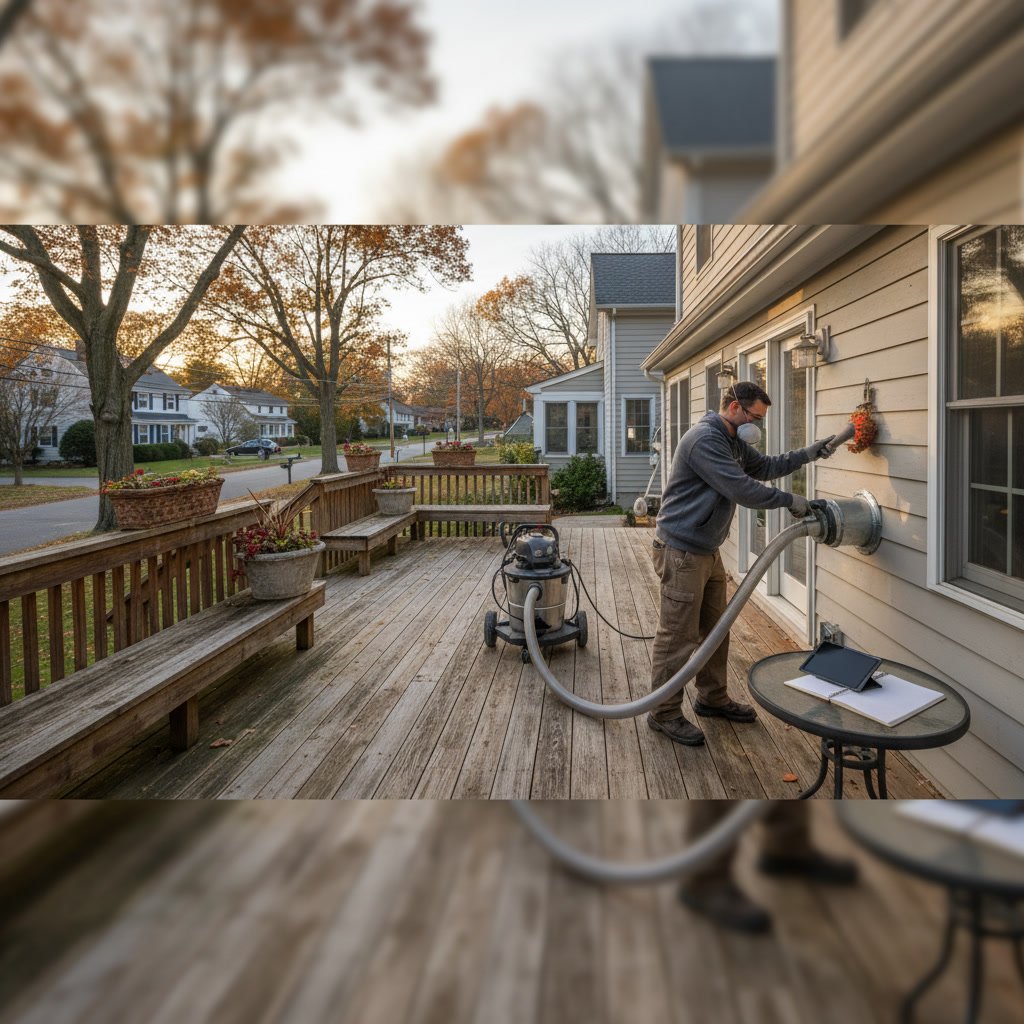
Professional dryer vent cleaning goes far beyond what you can accomplish with a vacuum or brush kit. Technicians use specialized equipment including rotary brush systems and high-powered vacuums designed specifically for vent cleaning.
A thorough service includes inspection of the entire vent run from dryer to exterior, removal of all lint and debris, verification that the vent is properly connected and sealed, and confirmation of adequate airflow after cleaning. The exterior vent cap is cleaned or replaced if damaged.
Patriot Pressure Washing serves homeowners throughout Middletown, Glastonbury, and surrounding Connecticut communities with comprehensive exterior cleaning services including dryer vent cleaning. Our team brings military precision and attention to detail to every job.

Simple Prevention Steps You Can Take Today
Clean your lint trap before or after every single load without exception. This simple habit takes five seconds and significantly reduces the amount of lint entering your vent system. Remove lint by hand rather than rinsing the trap, which can leave residue.
Wash your lint screen with soap and water every month to remove fabric softener buildup. This waxy residue clogs the mesh and reduces the trap’s effectiveness. A clean screen allows more lint to be caught before it reaches your vent.
Use rigid metal ductwork instead of flexible plastic or foil vents whenever possible. Smooth metal pipes allow lint to pass through more easily and are far more resistant to crushing, kinking, and damage. They also meet fire safety codes in most jurisdictions.
Keep your vent run as short and straight as possible. Each bend adds resistance and creates a catch point for lint. If your current setup includes several turns or exceeds 25 feet, consider rerouting during your next home improvement project.
Exterior Vent Maintenance
Install a pest guard or vent cover with built-in screening to prevent birds and rodents from entering. Make sure any cover you use still allows full airflow and does not trap lint. Some designs include weighted flappers that open easily when the dryer runs but close securely when it is off.
Trim vegetation around your exterior vent opening. Bushes, vines, and overgrown plants can block airflow or shed leaves and debris that get sucked into the vent. Maintain at least 12 inches of clearance on all sides.
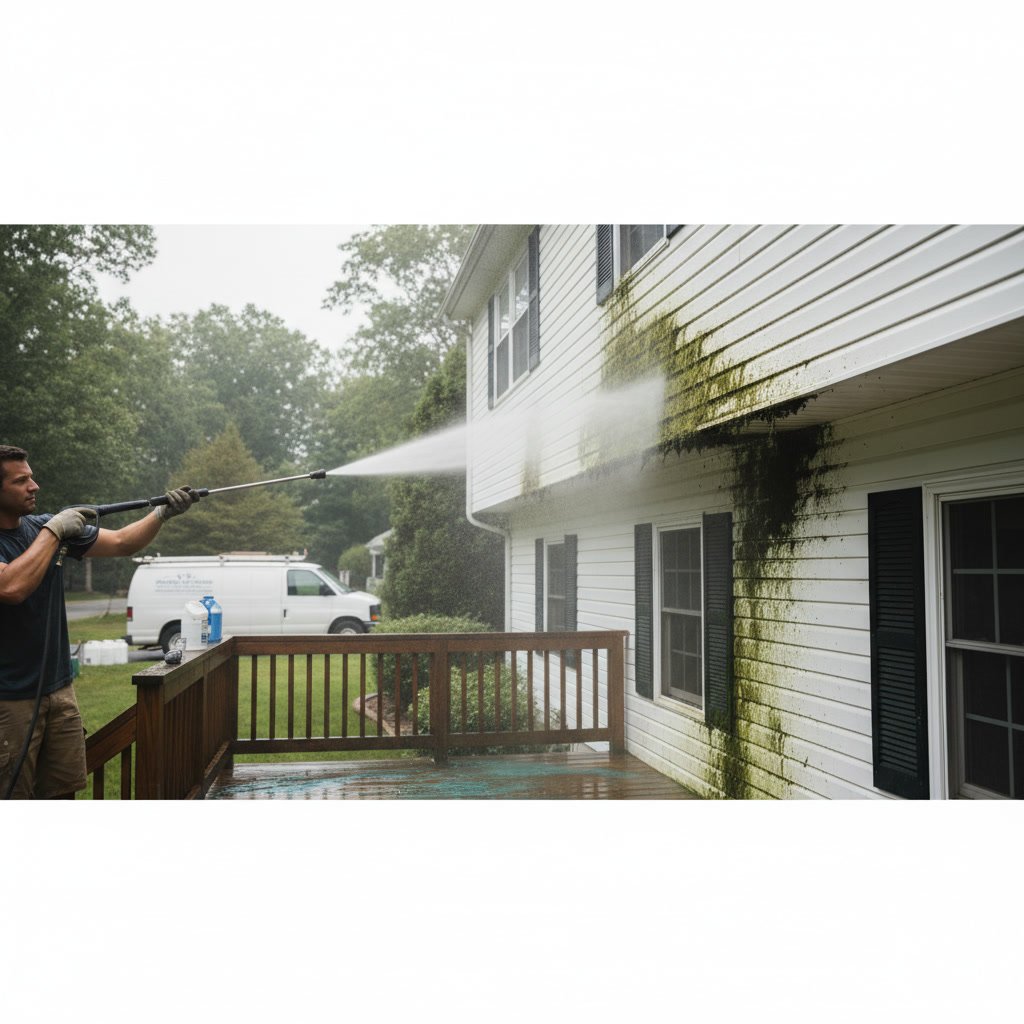
While you focus on dryer vent maintenance, do not overlook other important exterior cleaning services for your home. Regular maintenance of all your home’s systems prevents small problems from becoming expensive emergencies.
When to Call a Professional Immediately
Some situations require immediate professional attention rather than waiting for your next scheduled cleaning. If you smell burning at any time while your dryer runs, turn off the machine and disconnect it from power. Do not use it again until a professional has inspected and cleaned the entire system.
Visible smoke coming from your dryer or the exterior vent opening is an emergency. Shut down the dryer, close the door to the laundry room, and call for help. Check that everyone in your home is safe and ready to evacuate if necessary.
If your dryer stops heating or shuts off repeatedly during cycles, safety mechanisms may be responding to dangerous temperature levels caused by restricted airflow. Do not attempt to override these safety features. Have the vent system inspected before using the dryer again.
Water damage or unexplained moisture problems near your dryer location can indicate a severely clogged or disconnected vent. This moisture promotes mold growth and can damage walls, flooring, and insulation. Professional assessment determines whether the issue is related to your dryer vent or another source.
Key Takeaway: Never ignore burning smells, smoke, or repeated safety shutdowns. These indicate your dryer vent has moved beyond routine maintenance needs into dangerous territory. Professional cleaning is not optional in these situations.
The Cost of Neglecting Dryer Vent Maintenance
The financial impact of ignoring clogged dryer vent signs extends far beyond the cost of professional cleaning. Homeowners who delay maintenance face expenses that dwarf the $100 to $200 most professional cleanings cost.
Dryer replacement runs between $400 and $1,200 for mid-range models. When your appliance overheats repeatedly due to poor ventilation, components fail prematurely. Motors burn out, heating elements warp, and electronic controls malfunction under constant stress.
Increased energy consumption from inefficient operation costs the average household between $150 and $300 per year. Running multiple cycles to dry clothes that should dry in one wastes electricity or gas with every load. This expense continues year after year until the underlying problem is addressed.
Home insurance claims for dryer fires average $13,000, but severe fires easily exceed $50,000 in damages. Many policies include provisions that can reduce or deny coverage if the fire investigation reveals negligent maintenance as the cause. Even with full coverage, you face deductibles, displacement costs, and the trauma of losing your home or belongings.
Compare these potential costs to annual professional cleaning, and the value proposition becomes clear. Preventive maintenance is always more affordable than emergency repairs or fire damage restoration.
Frequently Asked Questions
How can you tell if your dryer vent is clogged?
The most obvious clogged dryer vent signs include clothes taking longer than 40 minutes to dry, excessive heat in your laundry room, a burning smell during operation, and lint accumulating around the dryer door. You may also notice the exterior vent flapper staying closed while the dryer runs or see little to no exhaust coming from the outside vent opening.
Can a clogged dryer vent be cleaned from the outside?
Partial cleaning from the outside is possible using specialized brush attachments, but it rarely removes all accumulated lint throughout the entire vent system. Professional cleaning addresses the vent from both ends and uses equipment designed to clean the full length of the ductwork. DIY cleaning from outside may help with minor blockages near the exit point but will not solve systemic buildup problems.
What happens if you never clean your dryer vent?
Neglecting dryer vent cleaning leads to progressively worsening problems. Initial symptoms include longer drying times and higher energy bills. As blockage increases, your dryer overheats, potentially damaging the appliance beyond repair. Eventually, accumulated lint reaches ignition temperature, causing a house fire. The U.S. Fire Administration attributes approximately 15,000 house fires annually to clogged dryer vents.
How long does it take for a dryer vent to get clogged?
The timeline varies based on usage patterns, vent length, and household factors. A typical family running five to seven loads per week may see significant buildup within 12 to 18 months. Households with pets, larger families, or longer vent runs can develop dangerous clogs in as little as six months. New homes or recently cleaned systems should be inspected after one year and annually thereafter.
Does homeowners insurance cover dryer vent fires?
Most standard homeowners insurance policies cover fire damage, including fires caused by dryer vents. However, insurance companies investigate the cause and may reduce or deny claims if they determine the fire resulted from negligent maintenance. Documentation of regular professional cleaning helps support your claim and demonstrates reasonable care. Some insurers offer discounts for homes with documented maintenance schedules.
Protect Your Home with Regular Dryer Vent Maintenance
Recognizing clogged dryer vent signs and addressing them promptly protects your family, your home, and your investment in appliances. Extended drying times, excessive heat, burning odors, and lint accumulation are warnings you should never ignore. Professional cleaning removes dangerous buildup and restores safe, efficient operation.
Patriot Pressure Washing provides expert dryer vent cleaning throughout Manchester and surrounding Connecticut communities including Cromwell, West Hartford, and Rocky Hill. Our military-trained team delivers thorough service with attention to detail that gives you peace of mind.
Schedule your dryer vent inspection and cleaning today by calling +18606612407. We will assess your system, remove all accumulated lint and debris, and ensure your dryer operates safely and efficiently. Do not wait for warning signs to become emergencies.