Dark streaks and green patches on your asphalt shingle roof aren’t just ugly. They’re algae, moss, and lichen eating away at your shingles, shortening your roof’s lifespan by years. Choosing the wrong roof cleaning methods can strip protective granules, void warranties, and cause leaks. The right approach removes organic growth safely while preserving your roof’s integrity for decades to come.
This guide breaks down the most common roof cleaning methods, explains which ones actually work for asphalt shingles, and reveals why most professionals avoid high-pressure washing entirely. You’ll learn exactly what to look for in a roof cleaning service and how to spot techniques that do more harm than good.
Why Asphalt Shingle Roofs Need Special Care
Asphalt shingles dominate Connecticut roofing for good reason. They’re affordable, durable, and come in hundreds of styles. But they’re also vulnerable to damage from aggressive cleaning.
Each shingle has a protective layer of ceramic granules bonded to the surface. These granules shield the asphalt from UV rays and weather. High pressure or harsh scrubbing strips these granules away, exposing the underlying material to rapid deterioration.
The black streaks you see are gloeocapsa magma, a type of algae that feeds on the limestone filler in shingles. Moss and lichen follow, sending roots under shingle edges and lifting them away from the roof deck. Left unchecked, this organic growth traps moisture and accelerates rot.
Connecticut’s humid summers and freeze-thaw cycles make the problem worse. Proper cleaning removes these threats without adding to the damage.
The Three Main Roof Cleaning Methods
Professional roof cleaners use three primary approaches. Each has specific applications, and only one is truly safe for asphalt shingles.
Soft Washing
Soft washing applies a specialized cleaning solution at low pressure, typically under 100 PSI. The chemical mixture does the work, not the water pressure. Professionals spray the solution, let it dwell for 10 to 20 minutes, then rinse with low-pressure water.
The cleaning solution typically contains sodium hypochlorite (bleach), surfactants, and water. This combination kills algae, moss, and lichen at the root level. The low pressure protects granules and prevents water intrusion under shingles.
Most roof manufacturers and the Asphalt Roofing Manufacturers Association recommend soft washing as the only safe method for asphalt shingles. It’s what professional roof cleaning services use when they follow industry standards.
High-Pressure Washing
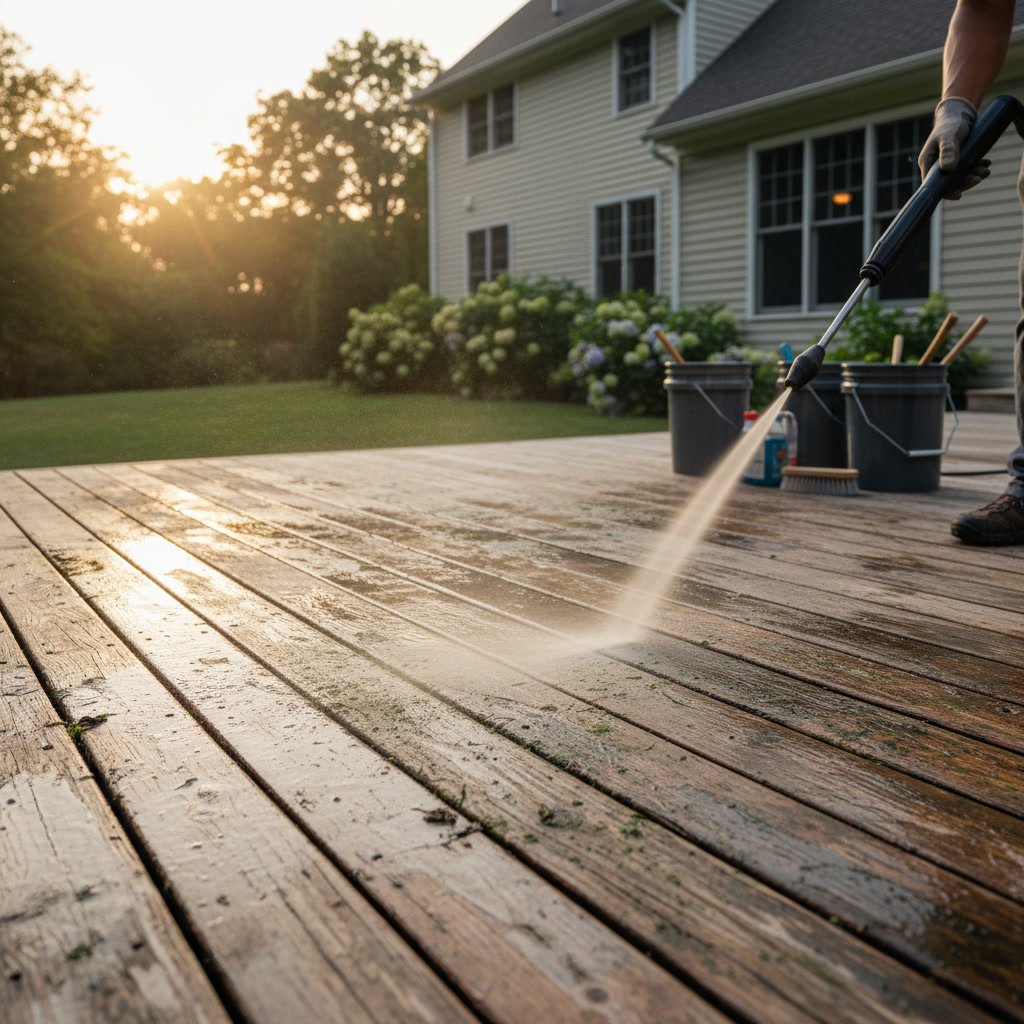
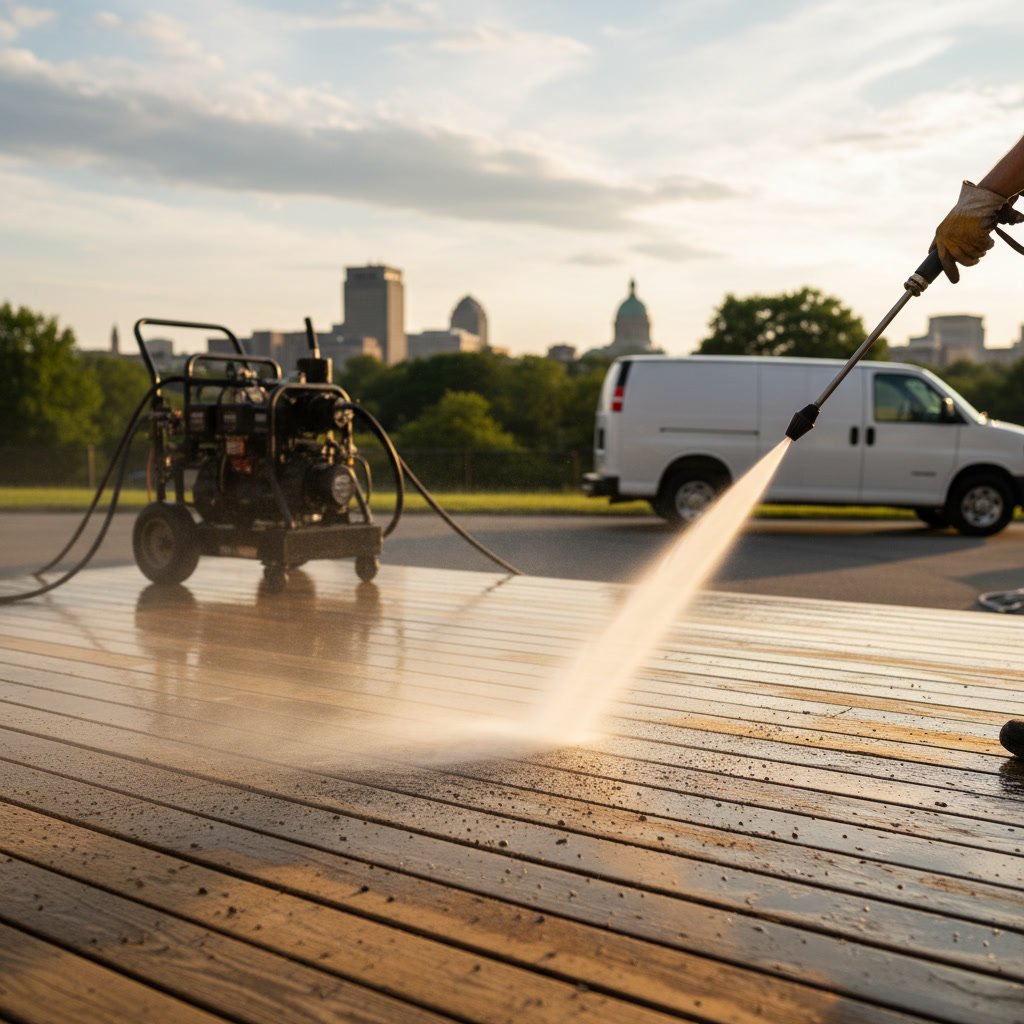
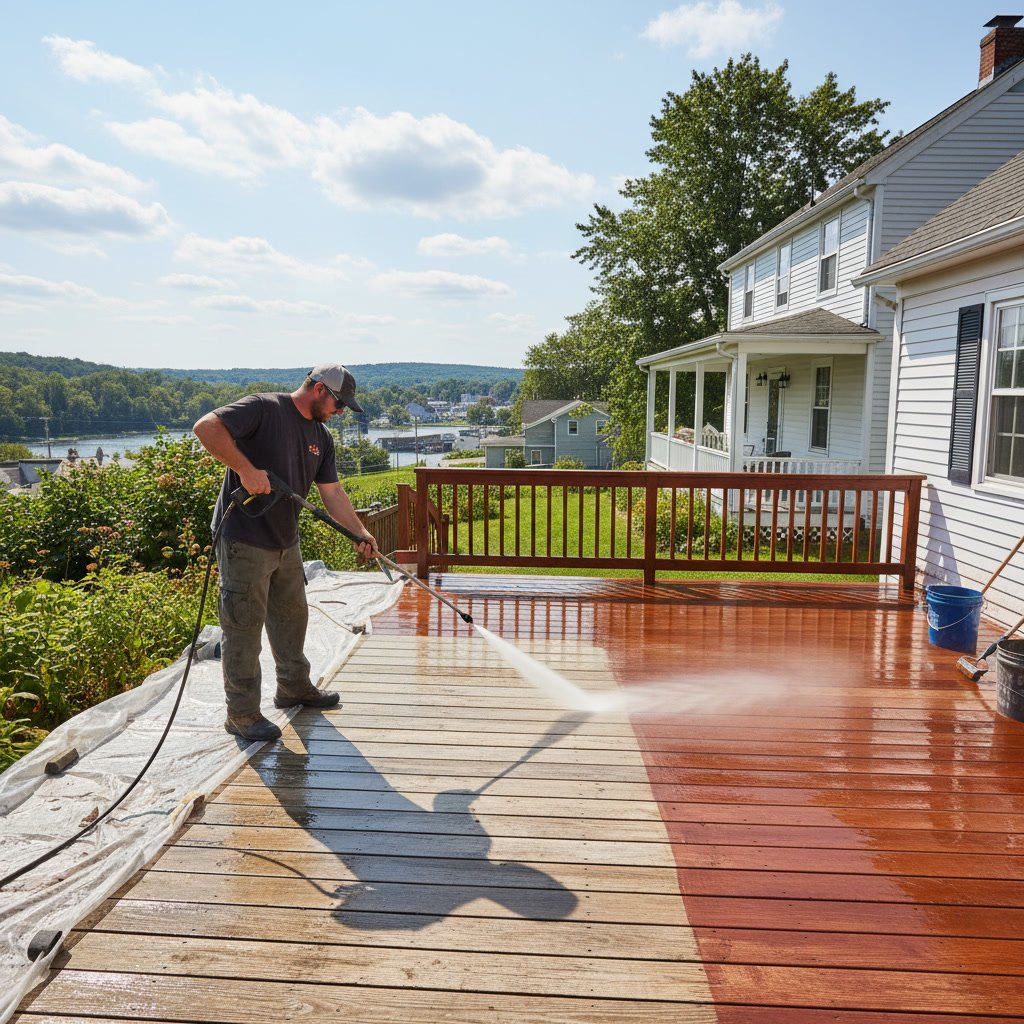
Pressure washing uses water at 1,500 to 4,000 PSI to blast away dirt and organic growth. This approach works well for concrete, vinyl siding, and other hard surfaces, but it’s devastating for asphalt shingles.
The high pressure strips away granules in seconds. A single pass can remove five to ten years of granule protection. Water forced under shingles can damage underlayment and leak into attic spaces.
Some homeowners attempt DIY pressure washing to save money. This almost always ends badly. Professional exterior cleaning services know when pressure is appropriate and when it causes harm.
Manual Scrubbing and Brushing
This old-school approach involves climbing on the roof with a stiff brush and scrubbing stains by hand. It’s labor-intensive, dangerous, and nearly as damaging as pressure washing.
Brushing dislodges granules through friction. Walking on the roof compounds the problem, especially on older shingles that have become brittle. Manual methods also rarely kill algae spores completely, so regrowth happens quickly.
The only time manual work makes sense is for carefully removing thick moss buildup before applying a soft wash solution. Even then, professionals use plastic scrapers and extreme caution to avoid damage.
Why Soft Washing Beats Other Roof Cleaning Methods
Soft washing isn’t just safer. It’s more effective at killing the organisms causing roof stains. Here’s why it outperforms alternatives.
Chemical solutions penetrate porous surfaces where algae, moss, and lichen anchor themselves. Pressure washing only removes surface material, leaving roots and spores behind. Within months, the growth returns.
Soft wash treatments continue working after application. The solution seeps into cracks and under shingle edges, killing spores in areas water pressure can’t reach. Results last two to three years compared to six to twelve months for pressure washing.
Pro Tip: Ask any roof cleaning company what pressure they use. If the answer is above 100 PSI for the rinse, choose a different provider. Legitimate professionals understand the difference between pressure washing and soft washing.
The right cleaning solution matters too. Professional-grade sodium hypochlorite at proper concentrations kills organic growth without harming plants or oxidizing metal flashings. Store-bought cleaners rarely achieve the same results.
The Roof Cleaning Process Step by Step
Understanding the proper sequence helps you evaluate whether a contractor knows what they’re doing. Professional roof cleaning follows a specific protocol.
First, technicians inspect the roof for damaged shingles, lifted edges, and vulnerable areas. They note the location of roof vents, satellite dishes, and other obstacles. Tarps or water barriers protect landscaping and outdoor fixtures.
Next, they pre-wet plants and grass near the roofline. This dilutes any cleaning solution that drips down. Some companies apply plant-safe neutralizers as an extra precaution.
The cleaning solution goes on next, applied from bottom to top in even passes. Technicians adjust the mixture strength based on the severity of growth. Heavier infestations need stronger concentrations.
Dwell time is critical. Rushing this step means incomplete results. Most solutions need 15 to 20 minutes to fully penetrate and kill organic material. During this time, the roof is monitored but not disturbed.
Finally, a gentle rinse removes dead algae and residual cleaner. The water pressure stays below 100 PSI. Some companies skip rinsing entirely, allowing rain to naturally wash away the dead material over the following weeks.
The entire process for an average Connecticut home takes two to four hours. Companies that promise to clean your roof in 30 minutes are cutting corners.
Common Roof Cleaning Mistakes to Avoid
Even well-intentioned homeowners and inexperienced contractors make errors that damage roofs. Watch out for these red flags.
Using too much pressure is the most common mistake. Some contractors use pressure washers for everything, applying the same 3,000 PSI they’d use on a driveway to delicate shingles. The damage might not show immediately, but granule loss accelerates aging.
Applying cleaning solution on hot, sunny days causes rapid drying. The chemicals crystallize before they can work, leaving stains behind and requiring reapplication. Overcast days or early mornings provide better conditions.
Ignoring safety is another critical error. Roofs are dangerous, especially when wet. Professionals use proper fall protection, non-slip footwear, and safety harnesses. DIY attempts send hundreds of people to emergency rooms every year.
Mixing incompatible chemicals creates hazardous fumes or ineffective solutions. Sodium hypochlorite doesn’t mix with acidic cleaners. Using the wrong surfactant can damage plants or fail to break down algae.
Skipping pre-treatment plant protection kills landscaping. Sodium hypochlorite in runoff can burn grass and shrubs. Professional services protect plants before starting work.
How Often Should You Clean Your Roof
Cleaning frequency depends on your environment, roof age, and local conditions. Connecticut homeowners face specific challenges that influence timing.
Most asphalt shingle roofs in Connecticut need cleaning every two to four years. Homes with heavy tree cover or north-facing roof sections may need more frequent attention. Algae thrives in shade and moisture.
Visible staining is the obvious trigger. Black streaks, green patches, or fuzzy moss growth all signal it’s time for cleaning. But waiting for severe buildup means the damage has already begun.
Preventive cleaning before visible growth appears extends roof life. Some homeowners schedule service on a fixed cycle, treating their roof every three years regardless of appearance.
Climate matters too. Areas with high humidity and frequent rain, like Hartford and Glastonbury, see faster algae growth than drier regions. Homes near water or in wooded neighborhoods face accelerated growth rates.
After soft washing, results typically last two to five years depending on conditions. Pressure washing or manual scrubbing delivers much shorter protection because it doesn’t kill spores.
Cost Considerations for Professional Roof Cleaning
Professional roof cleaning costs less than most homeowners expect, especially compared to premature roof replacement from neglect or damage from improper cleaning.
In Connecticut, professional soft washing for a typical single-family home ranges from 300 to 800 dollars. Factors include roof size, pitch, accessibility, and severity of growth. Two-story homes cost more than ranches due to safety equipment and access time.
This investment protects a roof worth 8,000 to 15,000 dollars or more. Replacing shingles damaged by high-pressure washing or organic growth costs substantially more than preventive cleaning.
DIY cleaning might seem cheaper at first glance. But rental equipment, cleaning solutions, safety gear, and the risk of damage or injury make professional service the smarter choice. Most homeowners lack the insurance coverage that protects professionals if something goes wrong.
When evaluating quotes, compare methods, not just prices. The lowest bid often uses high pressure or inadequate solutions. The company that explains their soft washing process and shows examples of past work typically delivers better results.
Some homeowners bundle roof cleaning with other services like gutter cleaning or window cleaning to reduce overall costs. Many contractors offer package discounts when you schedule multiple services at once.
Choosing the Right Roof Cleaning Professional
Not all cleaning companies understand roof-safe techniques. Asking the right questions separates qualified professionals from those who will damage your property.
Start by asking what roof cleaning methods they use. The answer should include the words “soft washing” or “low pressure.” If they emphasize pressure washing or promise to “blast away” stains, keep looking.
Request details about their cleaning solution. Professionals explain the chemicals they use, why they’re safe for roofs, and how they protect landscaping. Vague answers about “proprietary formulas” often mean inexperience.
Check for proper insurance coverage. Roof work requires general liability and workers’ compensation insurance. Ask to see certificates and verify they’re current. Uninsured contractors put your property and finances at risk.
Look for local experience. Companies familiar with Connecticut’s climate understand algae patterns, common roof types, and seasonal challenges. Patriot Pressure Washing has served Cromwell, Hartford, Middletown, and surrounding communities since 2016, building expertise in local roofing conditions.
Review past work through photos, references, or online reviews. Quality companies document results and maintain satisfied customer relationships. Be wary of contractors without verifiable project history.
Roof Cleaning and Other Exterior Maintenance
Your roof doesn’t exist in isolation. Coordinating roof cleaning with other maintenance tasks protects your entire home exterior more effectively.
Gutters and downspouts need attention at the same time. Roof cleaning dislodges dead algae and debris that flows into gutters. Cleaning gutters afterward prevents clogs and ensures proper drainage.
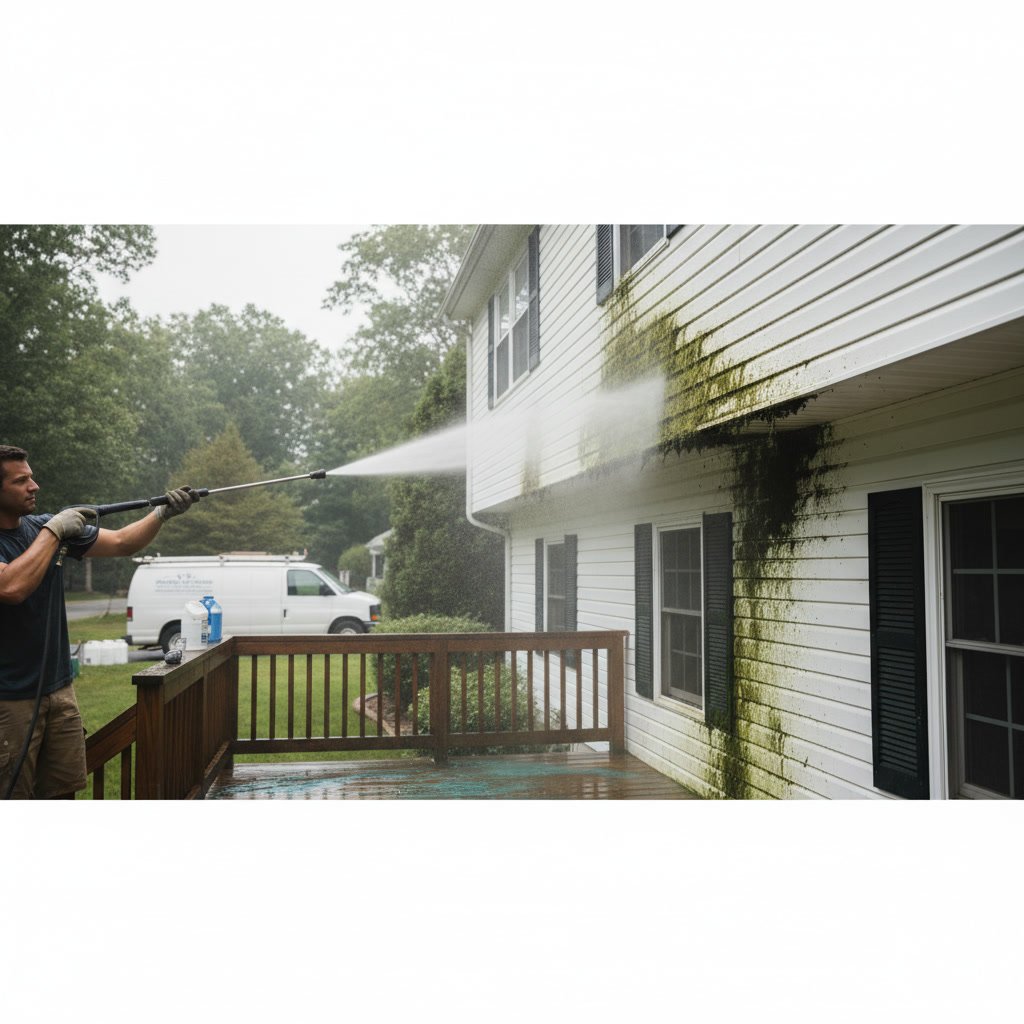
Siding and trim often harbor the same algae and mold affecting your roof. Comprehensive residential house washing addresses these areas together, creating a cohesive, clean appearance.
Check out our guide on types of exterior cleaning services for your home to understand how different services complement each other and protect your investment.
Timing matters too. Schedule roof cleaning during mild weather in spring or fall. Avoid winter when ice creates hazards and summer when heat accelerates chemical drying. Many homeowners coordinate with annual maintenance routines.
Frequently Asked Questions
Can I clean my asphalt shingle roof myself?
You can, but it’s risky and rarely saves money. Professional equipment, proper chemicals, safety gear, and technique knowledge make the difference between effective cleaning and roof damage. Falls from roofs cause serious injuries, and improper cleaning voids most manufacturer warranties.
Will roof cleaning damage my shingles?
Proper soft washing at low pressure will not damage shingles. High-pressure washing, aggressive scrubbing, or walking on the roof carelessly will cause damage. This is why choosing experienced professionals who use approved roof cleaning methods matters so much.
How long does a roof stay clean after professional cleaning?
Soft washing typically keeps roofs clean for two to five years depending on environmental conditions. Homes with heavy shade, tree coverage, or high humidity may see regrowth sooner. Pressure washing results last six to twelve months because it doesn’t kill spores.
Is roof cleaning worth the cost?
Absolutely. Professional cleaning costs 300 to 800 dollars and extends roof life by years. Algae and moss damage can shorten a 25-year roof’s lifespan to 15 years or less. Early replacement costs 8,000 to 15,000 dollars or more, making cleaning an excellent investment.
What’s the difference between pressure washing and soft washing for roofs?
Pressure washing uses high water pressure (1,500 to 4,000 PSI) to physically blast away dirt and growth. Soft washing uses low pressure (under 100 PSI) and specialized chemicals that kill organic material at the root. Soft washing is the only method safe for asphalt shingles and provides longer-lasting results.
Protect Your Roof with the Right Cleaning Approach
Choosing safe, effective roof cleaning methods protects your home’s most important barrier from weather and extends its useful life by years. Soft washing removes harmful algae, moss, and lichen without the damage caused by high pressure or aggressive scrubbing. Regular preventive cleaning costs far less than premature roof replacement or repairs from improper techniques.
Patriot Pressure Washing provides professional soft washing services throughout Manchester, Cromwell, Hartford, and surrounding Connecticut communities. Our veteran-owned team uses manufacturer-approved techniques that clean thoroughly while protecting your investment. Call +18606612407 to schedule a roof inspection and cleaning estimate.