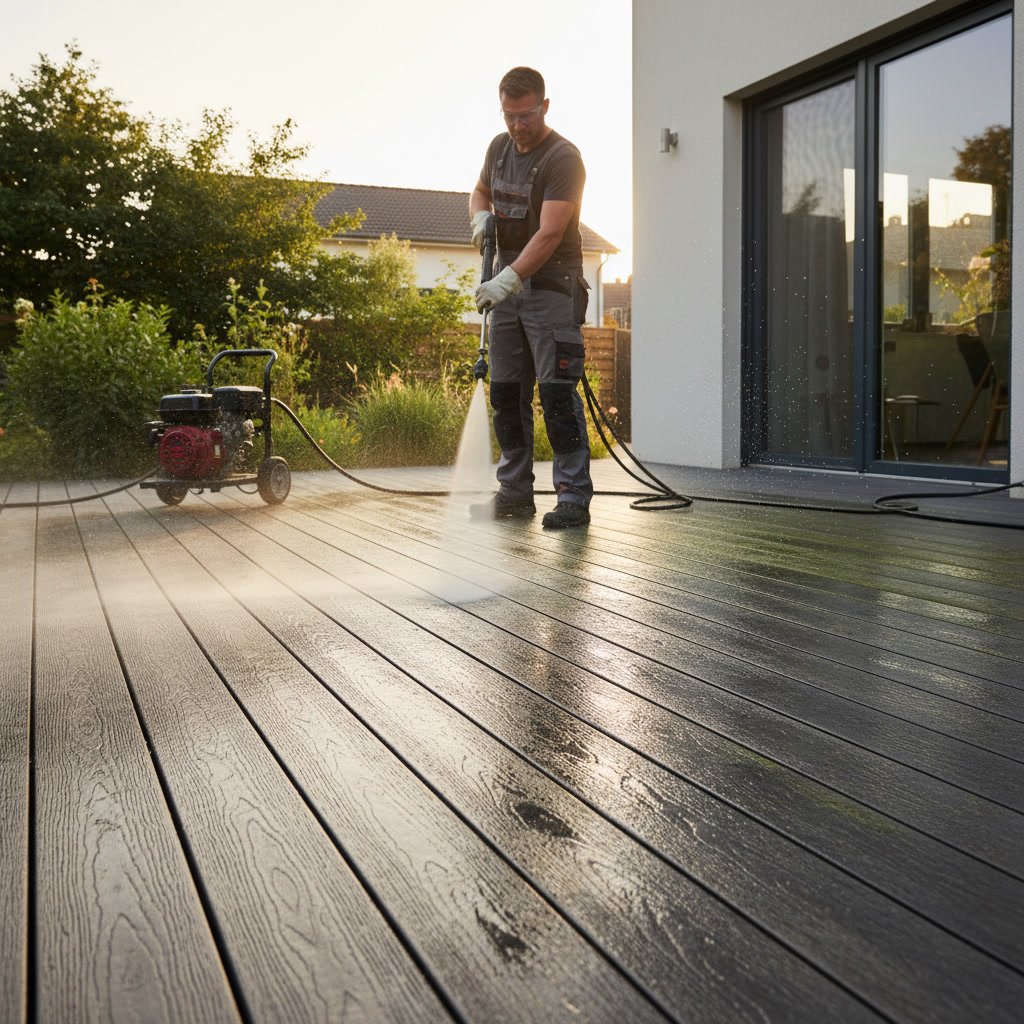
Hard water deposits on windows create stubborn white spots and cloudy film that obscure your view and damage curb appeal. Professional window cleaning uses specialized solutions and techniques to dissolve mineral buildup without scratching or etching the glass surface. The right approach to remove hard water windows involves understanding the chemistry of mineral deposits and applying methods that break down calcium and magnesium without abrasive force.
Why Standard Cleaning Methods Fail on Mineral Deposits
Most homeowners attempt to clean hard water stains with regular glass cleaner and paper towels, only to find the white spots remain or even spread. Hard water deposits are mineral compounds, primarily calcium carbonate and magnesium carbonate, that bond to glass at a molecular level. Standard cleaning solutions are pH-neutral and designed for organic dirt like fingerprints or dust, not mineral buildup.
Scrubbing harder with a dry cloth or abrasive pad creates microscopic scratches that catch more dirt and make windows look worse over time. Glass is surprisingly soft compared to minerals like silica found in some commercial scrubbers. Once scratched, window glass cannot be repaired without professional polishing or replacement.
The Chemistry Behind Safe Mineral Removal
Calcium and magnesium carbonates are alkaline compounds, which means they dissolve when exposed to acidic solutions. Professional Window cleaning services use carefully formulated acidic cleaners with pH levels between 2 and 4. These solutions break the chemical bonds holding minerals to the glass without requiring abrasive scrubbing.
White vinegar, a mild acetic acid with a pH around 2.5, works on light deposits but lacks the strength for heavy buildup. Commercial hard water removers contain phosphoric acid or hydrochloric acid at controlled concentrations. These stronger acids dissolve thick mineral layers in minutes rather than hours, but they require precise dilution and application to avoid etching the glass or damaging window frames and seals.
Professional Application Techniques That Protect Glass
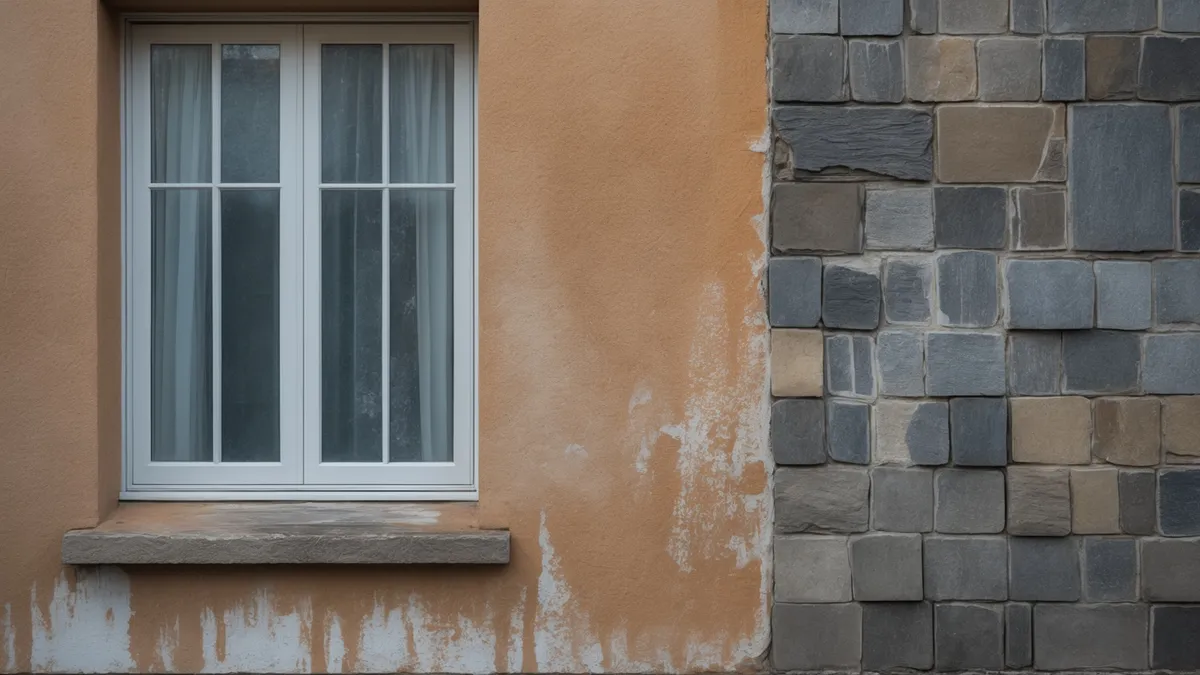
Trained technicians apply acidic cleaning solutions using specific methods that maximize contact time while minimizing risk. The solution is sprayed evenly across the affected area and allowed to dwell for 30 to 90 seconds, depending on deposit thickness. During this time, the acid reacts with minerals, converting solid deposits into soluble salts that rinse away easily.
Timing is critical. Too short, and minerals remain bonded to the glass. Too long, and the acid begins attacking the glass itself or the silicone seals around the window. Professionals monitor the reaction visually, watching for the characteristic fizzing as carbonates break down. They rinse thoroughly with deionized water to remove all traces of acid and dissolved minerals before they can re-deposit.
Tools That Clean Without Scratching in Cromwell
Beyond chemistry, the physical tools used during professional window cleaning make the difference between clear glass and permanent damage. Professionals use non-abrasive scrubbing pads made from materials softer than glass, typically nylon or microfiber with a hardness rating below 5 on the Mohs scale. Glass rates around 5.5, so any tool harder than that creates scratches.
Squeegees with surgical-grade rubber blades remove water and cleaning solution without leaving streaks or lint. The blade angle and pressure are adjusted based on window size and frame type. For textured glass or windows with divided lights, soft-bristle brushes reach into crevices where deposits accumulate without abrading the surface.
Water Quality Testing Before Treatment
Professional services test the water hardness at your property to select the appropriate cleaning solution strength. Water hardness is measured in grains per gallon or parts per million of dissolved minerals. Levels above 7 grains per gallon are considered hard, and levels above 10.5 are very hard.
Homes with very hard water require stronger acid solutions and may need protective treatments after cleaning to slow future buildup. Testing also identifies other contaminants like iron or manganese that create rust-colored stains requiring different chemical treatments. This diagnostic step prevents wasted effort and ensures the chosen method addresses your specific water chemistry.
Step-by-Step Process for Stubborn Buildup
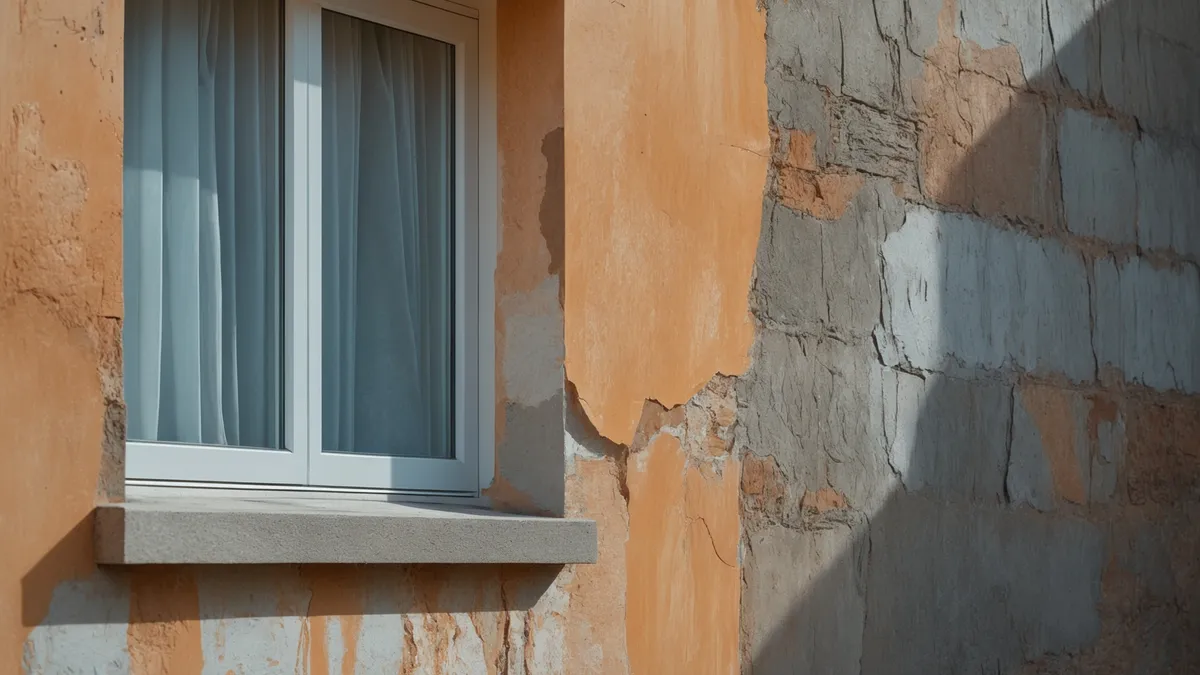
When windows have years of accumulated mineral deposits, professionals follow a multi-stage process. First, they pre-wet the glass with clean water to prevent cleaning solution from drying too quickly on hot surfaces. Next, they apply the acidic cleaner in sections, working from top to bottom to prevent streaking.
After the dwell time, they agitate lightly with a non-abrasive pad to lift loosened minerals from any surface irregularities. A thorough rinse with deionized or filtered water removes all dissolved material. For extremely thick deposits, a second application may be necessary. Finally, they squeegee and detail the edges with a clean microfiber cloth.
This systematic approach ensures complete removal without rushing, which often leads to mistakes. Each step builds on the previous one, and skipping any stage leaves residue or creates new problems.
Preventing Damage to Window Frames and Sills
Acidic cleaning solutions that safely remove minerals from glass can damage metal, wood, or vinyl window frames if not properly controlled. Aluminum frames oxidize and pit when exposed to strong acids. Wood frames absorb acidic moisture, weakening the finish. Vinyl can discolor or become brittle.
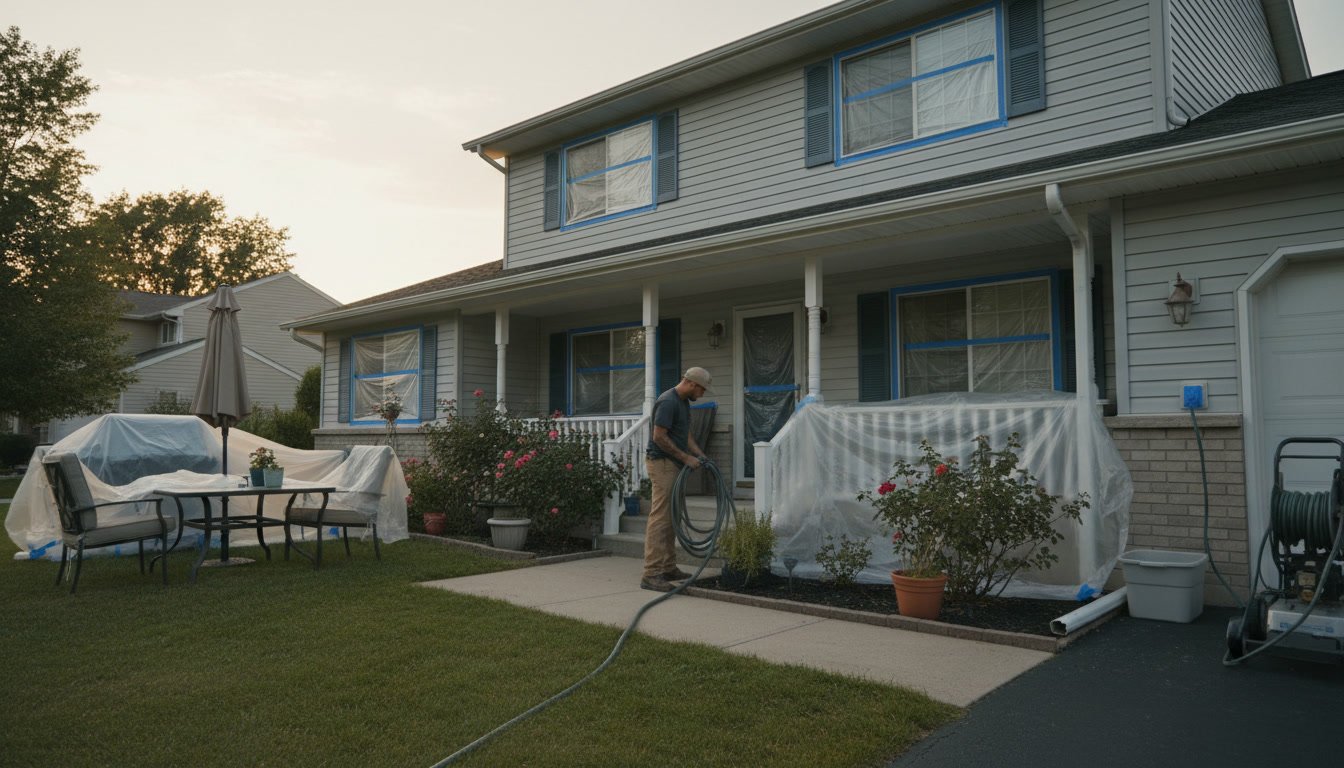
Professionals mask or protect frames with barriers before applying cleaning solutions. They control overspray and immediately rinse any solution that contacts non-glass surfaces. For windows with damaged or deteriorating frames, they use gentler solutions or alternative methods like clay bar treatments that mechanically lift minerals without chemicals.
When to Use Mechanical Polishing Instead
In cases where mineral deposits have etched the glass or chemical cleaning proves insufficient, mechanical polishing with cerium oxide compound offers an alternative. This process uses a very fine abrasive suspended in water, applied with a felt or wool pad on a variable-speed polisher. The compound is softer than glass but harder than minerals, allowing it to smooth surface irregularities without creating visible scratches.
Polishing removes a microscopic layer of glass, essentially resurfacing the window. It requires specialized training to avoid heat buildup that can crack the glass or create optical distortions. Most residential jobs do not need this level of intervention, but it becomes necessary when years of neglect have allowed minerals to chemically bond with the glass surface beyond what acids can reverse.
How Often Professional Cleaning Should Occur
The frequency of professional window cleaning depends on your water hardness and how often windows are exposed to sprinkler overspray, rain, or irrigation runoff. Homes with very hard water and automatic sprinklers hitting windows may need cleaning every three to six months to prevent permanent etching. Properties with moderate water hardness and less direct water exposure can often go 12 to 18 months between treatments.
Regular maintenance cleaning costs less than restoration work on severely damaged glass. Once minerals etch deeply into the surface, complete removal becomes difficult or impossible. Scheduling preventive service keeps windows clear and extends their lifespan, protecting your investment in your home’s exterior.
Comparing DIY Methods to Professional Results
Homeowners can manage light hard water spots with vinegar and careful scrubbing, but this approach has significant limitations. Vinegar requires multiple applications and extended contact time, often 10 to 15 minutes per window. The acid strength is insufficient for moderate to heavy deposits, leading to frustration and wasted time.
More importantly, without proper training, homeowners risk using abrasive materials that scratch glass or applying acids incorrectly, causing etching or frame damage. Professional services bring calibrated solutions, specialized tools, and experience recognizing when a deposit has released versus when additional treatment is needed. The cost difference between DIY supplies and professional service narrows when you factor in time, effort, and the risk of permanent damage requiring expensive glass replacement.
Many property owners discover that related services like Gutter cleaning and Residential house washing prevent water from splashing onto windows in the first place, reducing the frequency of hard water buildup.
Protecting Your Windows After Professional Treatment
Clean windows stay clear longer with a few protective measures. Adjust sprinkler heads so water does not spray directly onto glass. Install rain sensors on irrigation systems to prevent unnecessary watering during humid weather when evaporation rates are low and mineral concentration in water droplets is high.
Some professionals apply hydrophobic coatings that cause water to bead and roll off rather than sitting on the glass and evaporating. These treatments last six months to a year and significantly reduce mineral adhesion. Regular rinsing with a hose during dry periods washes away minerals before they bond, maintaining clarity between professional cleanings.
Understanding how hard water deposits form and how professionals safely dissolve them helps you make informed decisions about window maintenance. The combination of proper chemistry, non-abrasive tools, and systematic technique removes even stubborn buildup without scratching or etching the glass. Regular professional service prevents permanent damage and keeps your view crystal clear year-round.
Patriot Pressure Washing brings military precision to every window cleaning job, using proven methods that dissolve hard water deposits safely. If your windows show white spots, cloudy film, or stubborn mineral buildup, professional treatment restores clarity without risk of scratching. Call (860) 661-2407 to schedule an assessment and see the difference expert care makes for your home’s glass surfaces.