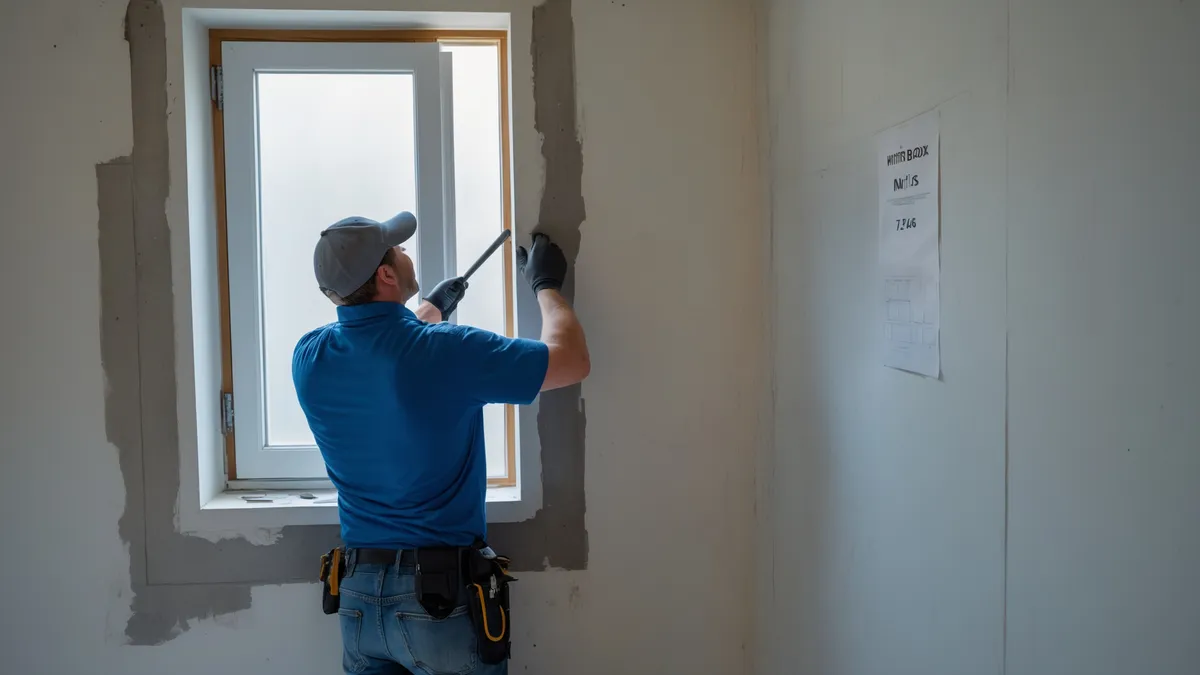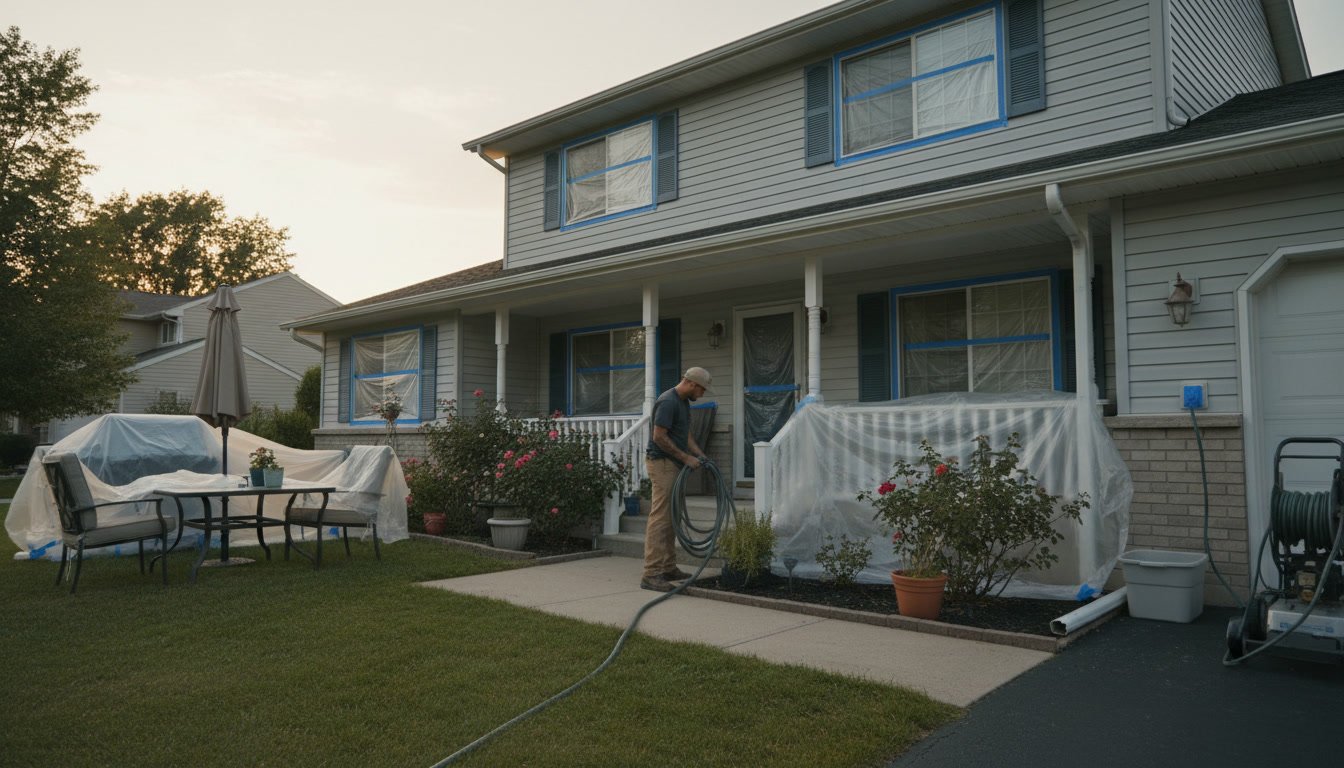

Professional house washing removes allergens like mold spores, pollen, and dust mites from your home’s exterior surfaces, preventing them from entering your indoor living spaces through windows, doors, and ventilation systems. Regular exterior cleaning reduces respiratory irritants by up to 70%, creating a healthier environment for your family. When organic contaminants accumulate on siding, soffits, and trim, they continuously release microscopic particles that infiltrate your home and compromise air quality.
The Hidden Connection Between Exterior Grime and Indoor Health
Most homeowners focus on indoor cleaning to manage allergies, but your home’s exterior acts as the first line of defense against airborne allergens. When siding, eaves, and window frames collect mold, mildew, and pollen, these substances don’t stay outside. Every time you open a window or door, microscopic spores and particles travel indoors on air currents. HVAC systems pulling in outside air can draw these contaminants directly into your ductwork, circulating them throughout every room.
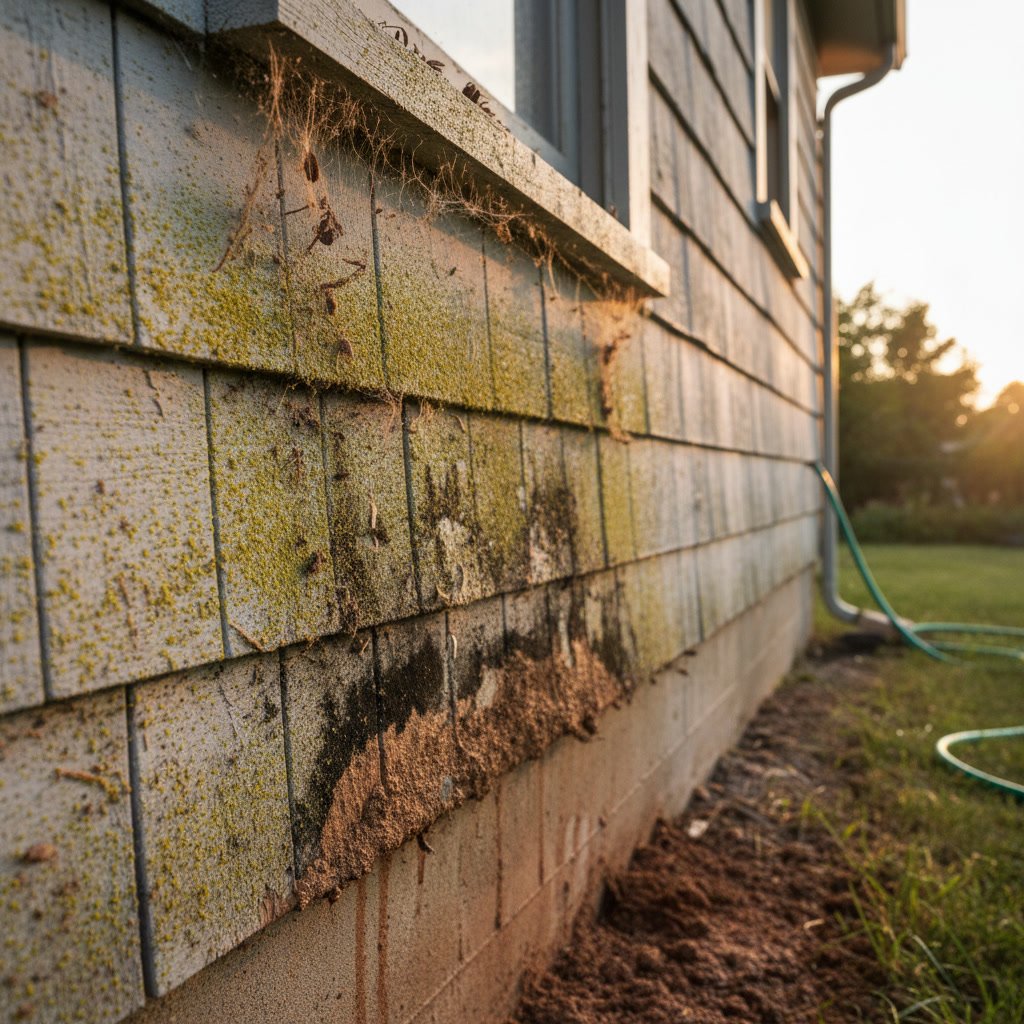
The problem intensifies in humid climates where organic growth thrives. Black streaks on siding aren’t just cosmetic issues but active colonies of Gloeocapsa magma algae that release spores continuously. Similarly, green or brown patches indicate mold and mildew producing allergens 24 hours a day, seven days a week.
How Allergens Accumulate on Your Home’s Exterior
Your home’s exterior surfaces act like a magnet for allergen-producing substances. Pollen from trees, grass, and weeds settles on horizontal surfaces like window sills and door frames. Rain washes it down into crevices where it combines with moisture to create ideal conditions for mold growth. Dust particles mix with organic debris in gutters and along foundation lines, creating reservoirs of allergens that seasonal weather changes activate.
Vinyl and wood siding develop a biofilm layer over time, a thin coating of bacteria, algae, and fungi that provides food and shelter for dust mites and other microscopic organisms. This biofilm is nearly invisible in early stages but releases allergenic proteins that affect sensitive individuals. By the time you notice visible discoloration, the allergen load has already reached concerning levels.
The Science Behind Pressure Washing and Allergen Removal
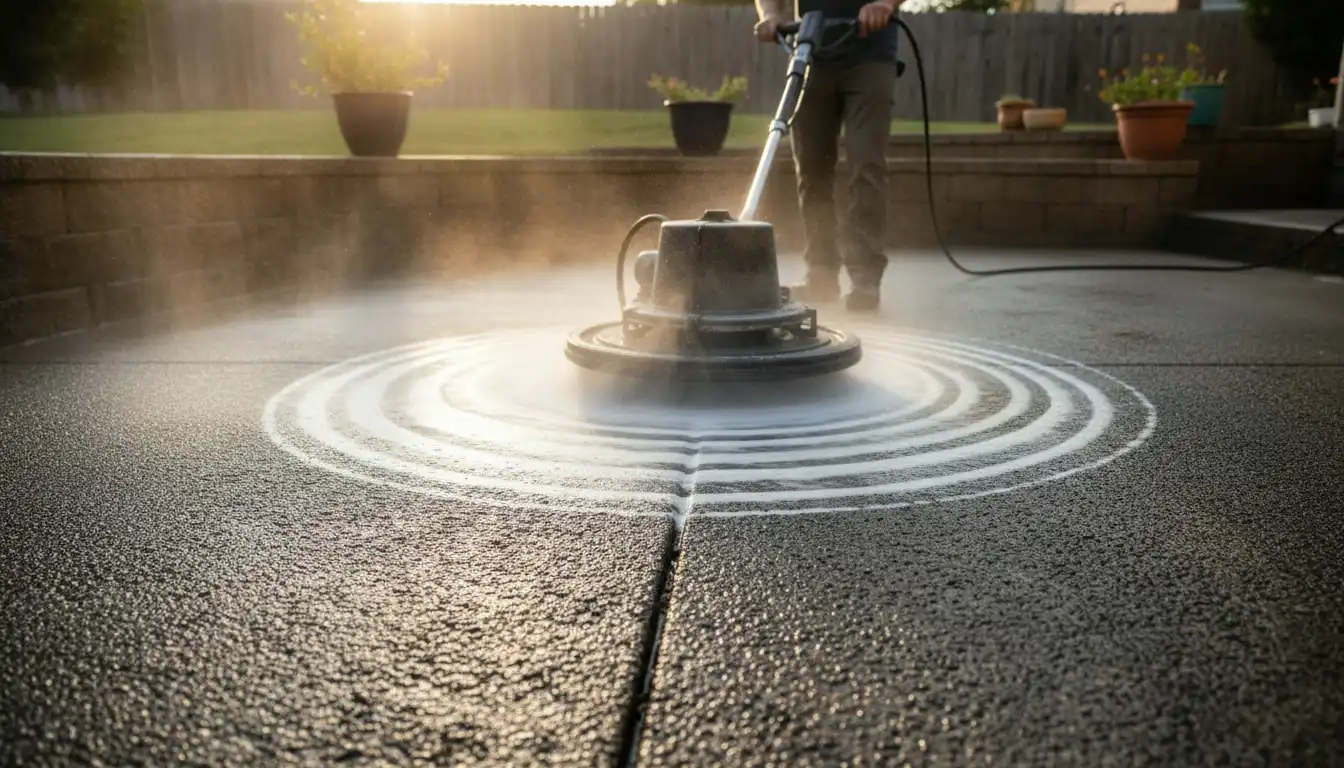
Professional residential house washing uses controlled water pressure and specialized cleaning solutions to eliminate allergen sources at the molecular level. The process doesn’t just rinse away surface dirt but breaks down the cellular structure of mold, mildew, and algae, preventing immediate regrowth. Water pressure between 1,500 and 3,000 PSI, combined with proper technique, removes embedded contaminants from porous surfaces like wood and stucco.
Soft washing, a low-pressure alternative, uses biodegradable solutions that kill organic growth on contact while protecting delicate materials. The cleaning agents penetrate deeply into substrate pores, eliminating root systems that standard rinsing leaves behind. This approach is particularly effective for homes in areas with persistent moisture issues, where aggressive mold growth requires more than mechanical removal.
Five Ways Clean Exteriors Improve Your Indoor Air Quality
First, removing mold colonies from siding eliminates the primary source of airborne spores that trigger asthma and allergic reactions. Studies show that homes with visible exterior mold have indoor spore counts three to five times higher than clean homes, even with windows closed.
Second, cleaning window frames and sills removes pollen deposits that would otherwise become airborne when windows open. Pollen grains trapped in these areas remain viable for months, releasing allergenic proteins with every breeze.
Third, washing away algae and biofilm reduces the food supply for dust mites that colonize the transition zones between indoors and outdoors. These microscopic creatures thrive where organic material accumulates, and their waste products are potent allergens.
Fourth, clean soffits and eaves prevent contaminated water from dripping near entry points during rain. When dirty water pools around doors and windows, it creates damp zones where mold can colonize interior walls.
Fifth, removing debris from exterior surfaces improves natural ventilation patterns around your home. Clean surfaces allow air to circulate properly, reducing humidity levels that encourage both outdoor and indoor mold growth.
Common Allergen Hotspots Around Your Home in Cromwell
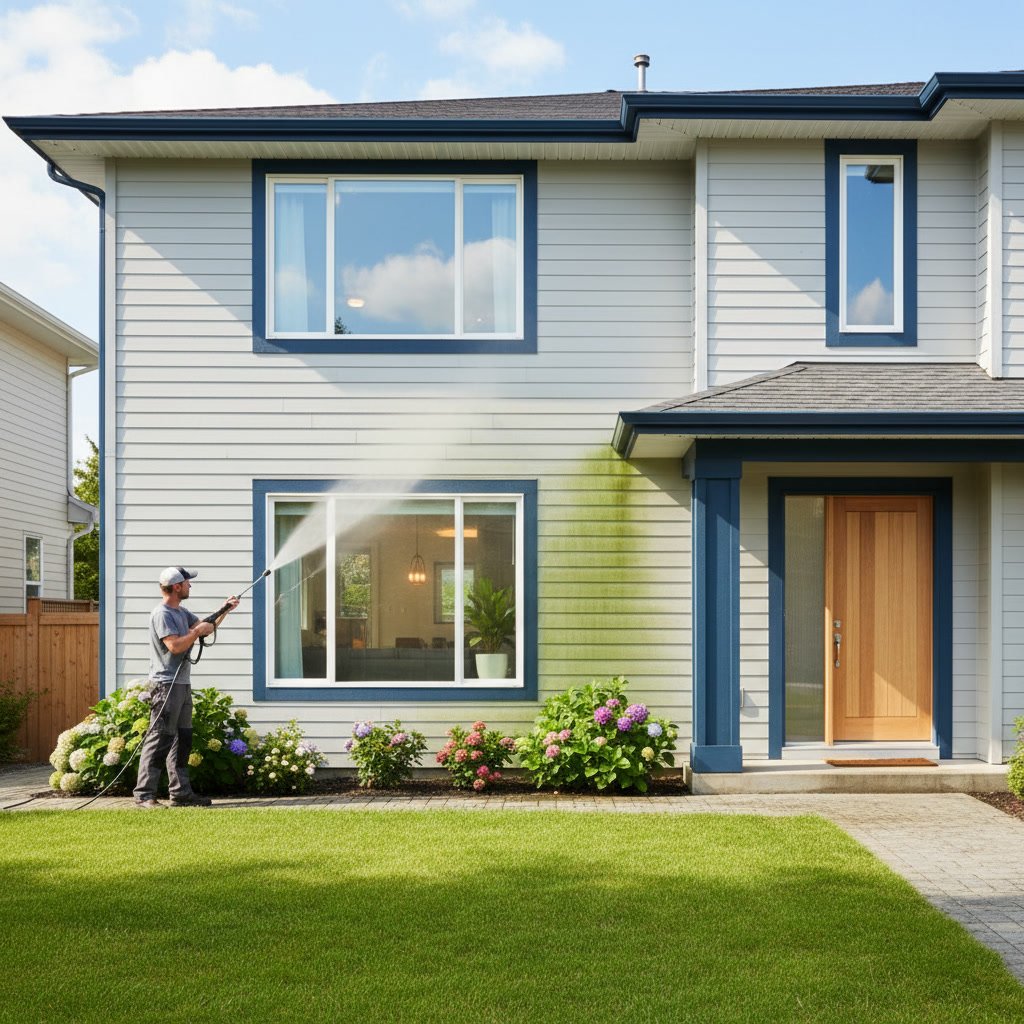
North-facing walls receive less direct sunlight and retain moisture longer, making them prime locations for mold and mildew accumulation. If your home in Cromwell has significant tree coverage, these shaded areas may host dense algae growth that persists year-round. The combination of Connecticut’s humid summers and these low-light conditions creates perfect environments for allergen-producing organisms.
Areas beneath roof overhangs and covered porches trap moisture from ground splash and condensation. Even though these spaces stay dry during rain, they collect airborne spores and organic debris that decompose slowly in the sheltered environment. Foundation walls near landscaping beds often show heavy contamination where mulch, soil, and plant material contact siding.
The Seasonal Impact of Exterior Cleaning on Allergies
Spring cleaning takes on new meaning when you consider pollen loads. A single square foot of siding can collect thousands of pollen grains during peak season. Washing your home’s exterior in late spring removes the accumulated pollen before summer humidity allows it to germinate into mold. This timing is critical because once pollen begins sprouting fungal growth, simple rinsing becomes ineffective.
Fall brings different challenges as leaves decompose on roofs and in gutters, creating organic slurries rich in mold spores. An autumn exterior cleaning removes these materials before winter moisture locks them against your home’s surfaces. Homes that skip fall cleaning often experience worse indoor air quality throughout winter because heating systems draw in contaminated outdoor air from around the foundation and eaves.
Why Standard Garden Hoses Cannot Match Professional Results
Garden hoses typically deliver water at 40 to 60 PSI, barely enough to rinse loose dirt. This pressure cannot penetrate the biofilm layer or dislodge embedded mold roots. Homeowners who rely on garden hose rinsing often spread contaminants rather than removing them, pushing spores into cracks and under siding edges where moisture allows them to flourish unseen.
Professional equipment maintains consistent pressure and flow rates that ensure complete coverage without damage. Technicians adjust pressure based on surface material, using higher settings for concrete and masonry while reducing force for vinyl and wood. This precision prevents the surface damage that can create new moisture traps and allergen collection points.
How Other Exterior Services Support Allergen Control
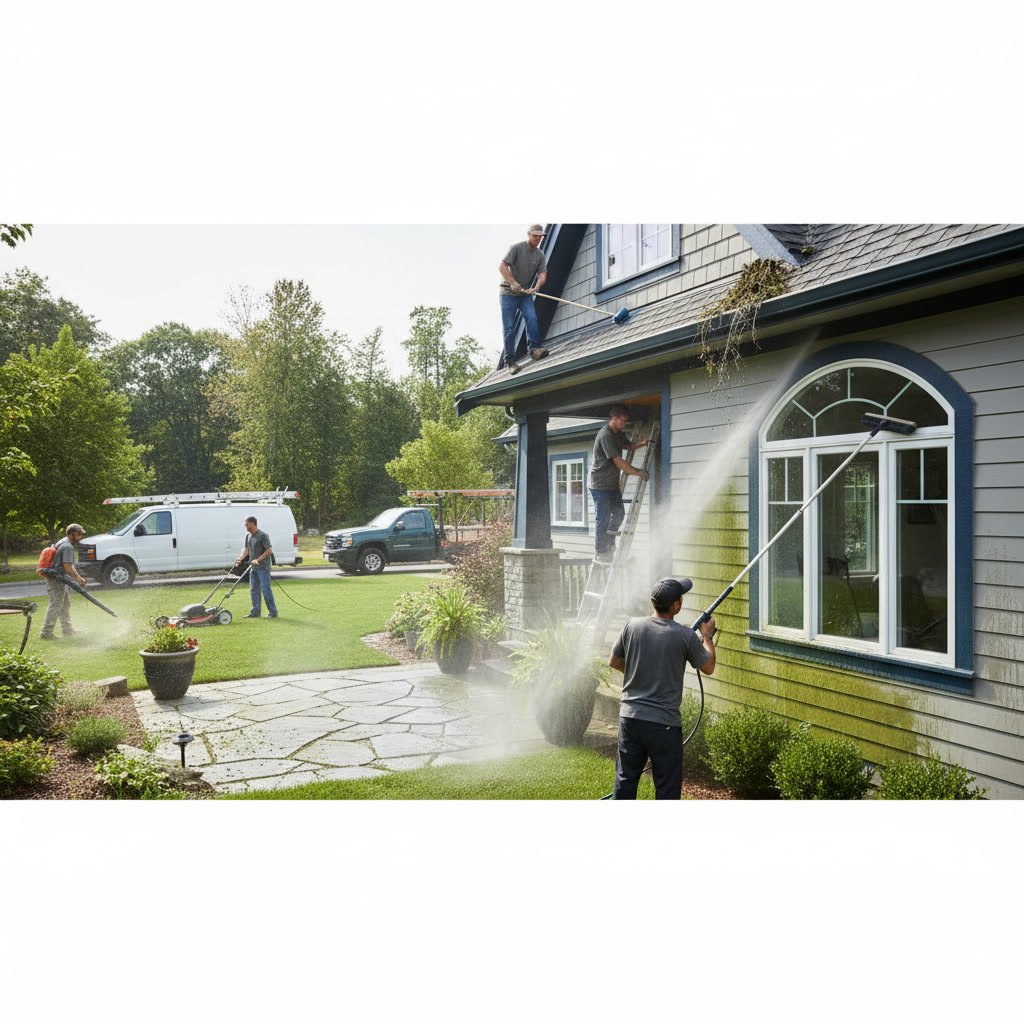
Clean gutters prevent water overflow that saturates siding and creates mold-friendly conditions. When gutter cleaning combines with house washing, you eliminate both the allergen sources and the moisture pathways that help them spread. Clogged gutters can hold gallons of stagnant water mixed with organic debris, essentially creating mold incubators mounted to your roofline.
Similarly, roof cleaning removes the algae and moss that shed spores onto siding and into the air around your home. Roofs collect massive quantities of airborne allergens because of their surface area and exposure. What grows on your roof eventually washes down during storms, recontaminating recently cleaned siding if you address only one surface.
Window cleaning done professionally includes frame and sill treatment, removing pollen and mold from the surfaces you touch most often. These high-contact areas transfer allergens directly to hands, which then spread them to faces and throughout your home. For those interested in comprehensive protection, exploring various types of exterior cleaning services reveals how integrated approaches provide superior results.
The Role of Cleaning Solutions in Allergen Elimination
Professional cleaning solutions do more than help water wet surfaces. Specialized biocides kill mold and algae spores on contact, preventing regrowth for months after application. These treatments penetrate porous materials like wood and stucco, reaching organisms that pressure alone cannot dislodge. The key is using EPA-registered products at proper dilution rates, something homeowners rarely achieve with store-bought cleaners.
An often-overlooked benefit is that professional solutions include surfactants that break down allergenic proteins. Even after mold dies, its cellular components can trigger allergic reactions. Proper cleaning agents denature these proteins, rendering them inert. This is why homes treated with professional-grade solutions show lower allergen test results compared to those cleaned with pressure and water alone.
How Often Should You Wash Your Home to Control Allergens
Most homes benefit from annual washing, but properties with heavy tree coverage, north-facing orientations, or known mold issues may require service twice yearly. Homes near water sources or in areas with poor air circulation should increase frequency because these conditions accelerate organic growth. If family members experience worsening allergies despite indoor cleaning efforts, increasing exterior washing frequency often provides noticeable relief within weeks.
Visual inspection helps determine timing. Any visible discoloration on siding indicates substantial allergen accumulation underneath. Green, black, brown, or red staining all signal different organisms, but all produce allergenic compounds. Waiting until discoloration becomes obvious means allergens have already impacted your indoor environment for months. Preventive scheduling before visible growth appears maintains consistently healthier conditions.
Protecting Your Family’s Health Through Exterior Maintenance
Regular house washing represents a proactive approach to family health rather than a reactive response to visible problems. The connection between exterior cleanliness and indoor air quality is direct and measurable. When you eliminate mold, pollen, and organic debris from your home’s outer surfaces, you reduce the allergen load that infiltrates living spaces through every opening and ventilation point.
This investment pays dividends in reduced allergy symptoms, fewer respiratory issues, and improved quality of life for sensitive family members. Children, elderly residents, and those with compromised immune systems benefit most from reduced allergen exposure. The cost of professional exterior cleaning is modest compared to medical expenses and lost productivity from allergy-related illness.
Patriot Pressure Washing brings professional-grade equipment and military precision to every exterior cleaning project, ensuring thorough allergen removal that protects your family’s health. Our team understands the specific challenges Connecticut homeowners face with seasonal allergens and moisture-related growth. If you’re ready to improve your home’s air quality through comprehensive exterior cleaning services, reach out to schedule your service at +18606612407.